Category Archives: flowers

March 2022 on a cold but sunny Edinburgh day.

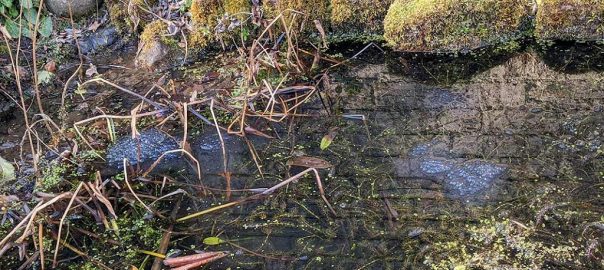
 We have had some wet, windy, gloriously sunny and warm days in March, but are now back to very chilly weather and it is trying to snow/hail/sleat in between sunny spells.  No wonder the frogs left it a little later this year to spawn.  In 2019 and 2020 the first spawn in our pond was spotted  in February (in 2020 it was as early as the 5th) but this year the first spawn was on the 18th March.  We can now count about 7 clumps of spawn which means there are at least 7 female frogs around the pond.  We haven’t seen any newt spawn yet.
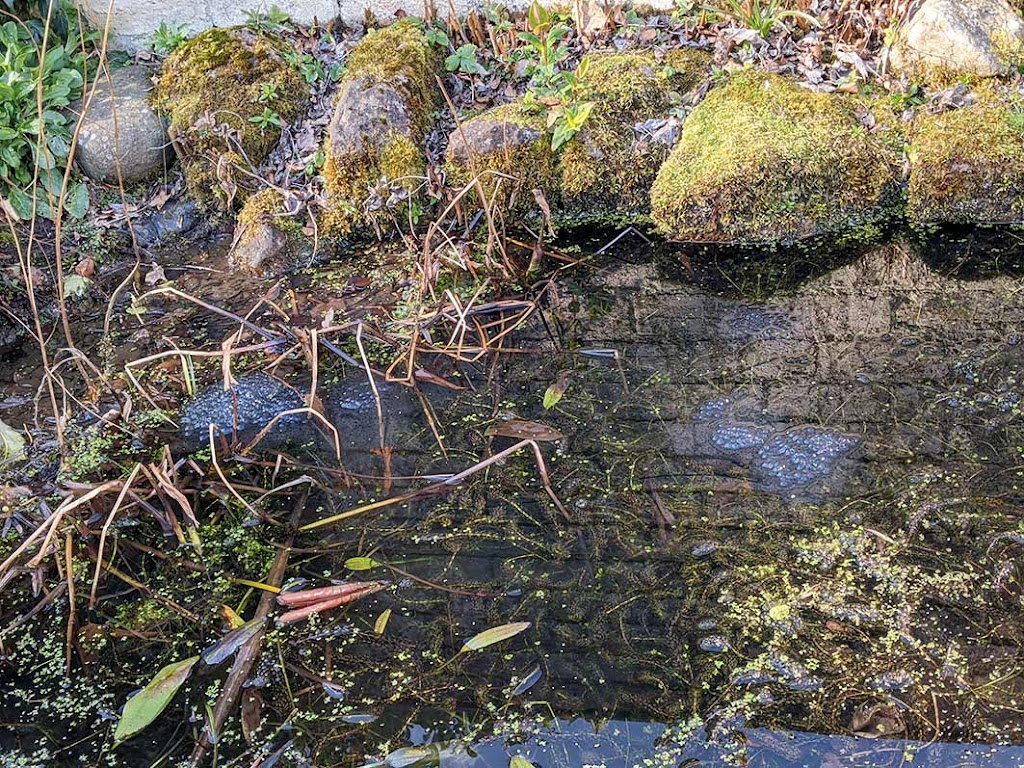
7 clumps of frog spawn 18th March 2022
Frog spawn 18/03/22

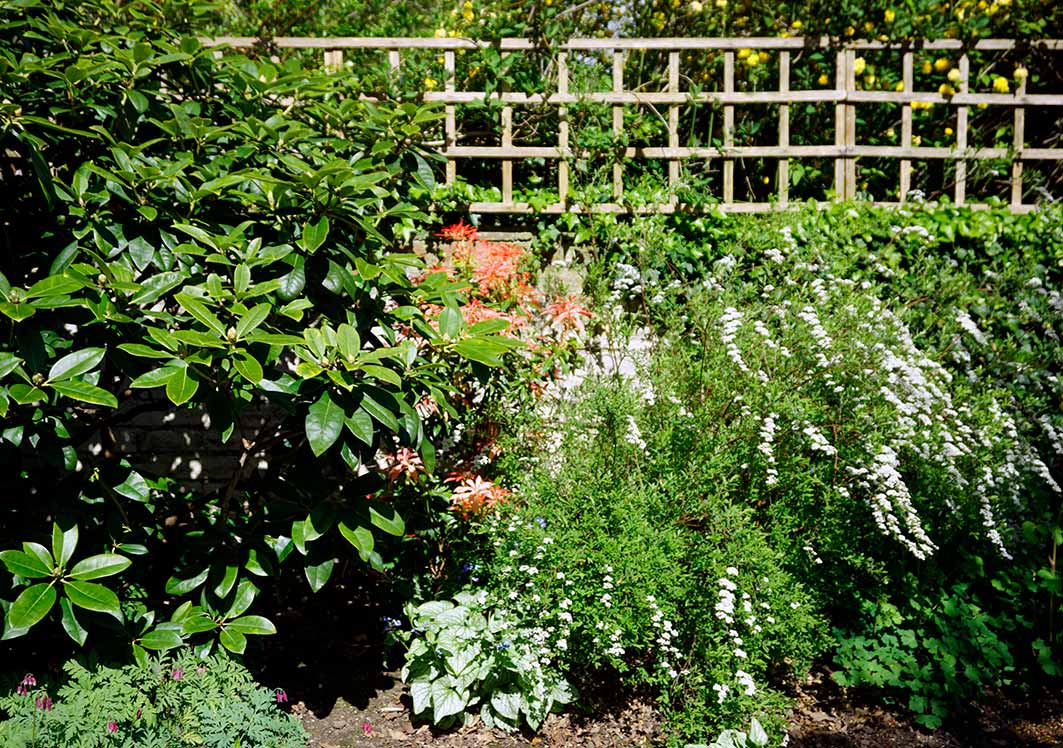
Some areas of the garden are looking better than others right now.  The stumpery is looking fine as some the spring bulbs are coming through such as the narcissi and chinadoxa,  some of the primroses, anemones, pulmonaria, hellebores, vinca and erythroniums are in flower now.  Although some of the narcissi have gone over, there are others still to come out.  Some of the tulips are just ready to open.  A couple of shrubs that have scented flowers: the mahonia out the front, and the lonicera fragrantisima and osmanthus burkwoodii out the back are flowering well.  There have been quite a few bees and butterflies out in the warmer days taking advantage of these flowers.

I found this dark edged bee fly ( Bombylius major) sitting on a tulip leaf as it was watching a wasp very closely.  I have just read about it, and have found out that the bee fly will follow wasps and single bees to their nest, they will then gather some sandy soil with their feet, and flick this, along with their eggs, near the entrance to the wasp/bee nest.  The larva will attach itself to a wasp/bee and it will be taken into the nest where it will then find a wasp/bee larva to feed on.  After which it will turn into a pupa, hatch and fly away undetected.
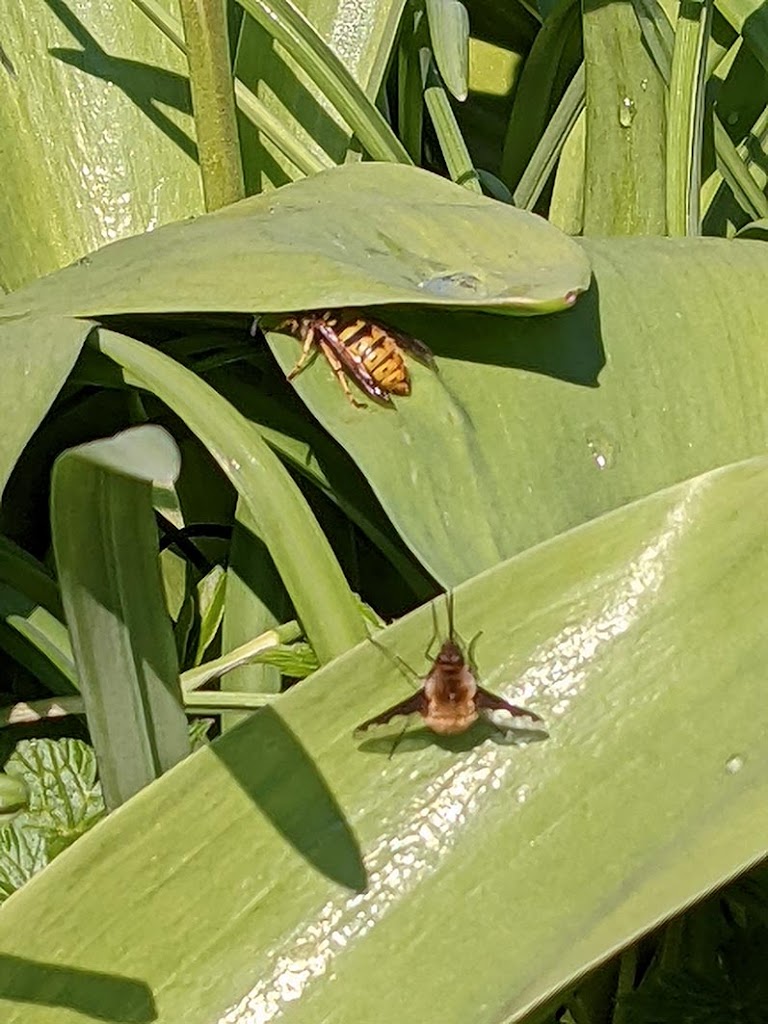
wasp and bee fly on a tulip leave
Bombylius major (dark edged bee fly)

I will need to put the pot of Iris Katharine’s gold in a better place for next year.  It is one of the earliest flowering plants in the garden and I had the pot under the garden bench just to protect it from some of the heavy rain.  By the time I remembered it was there it was almost finished flowering.
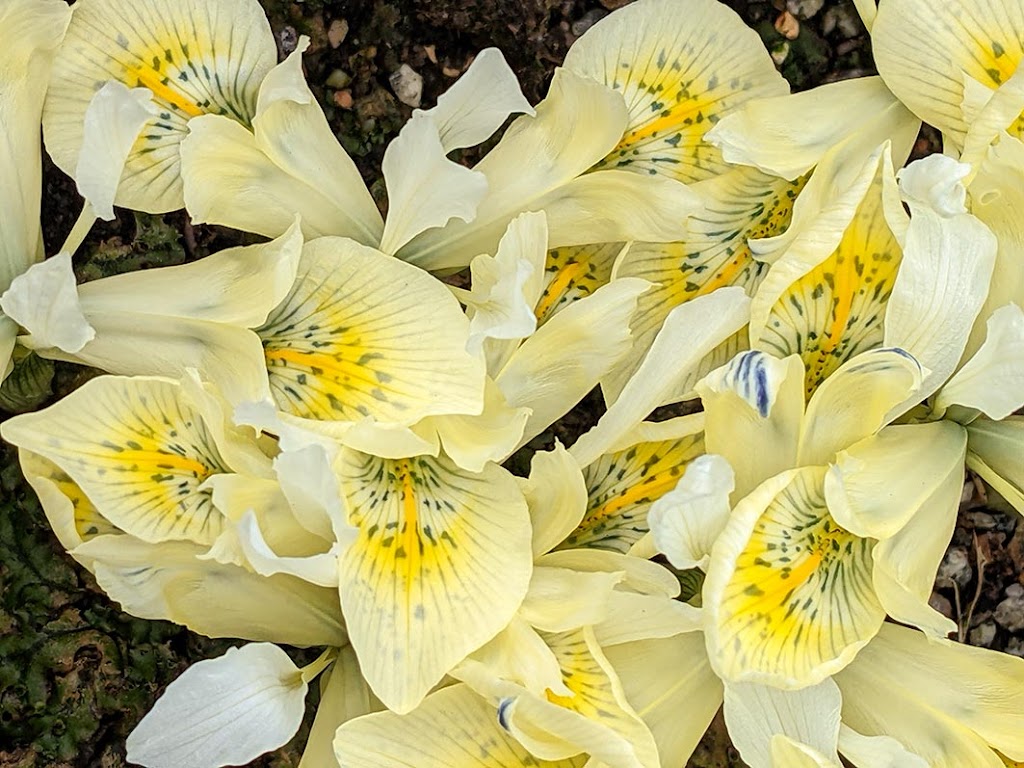
Iris Katharine's gold in a pot
Iris Katharine’s gold

 There are lots of jobs still to do:  over the wall is now rather overgown and needs a good sorting out.  The vinca major is now acting like a climber and is growing up the fence and smothering the hydrangea petiolaris.  It actually looks ok but it needs cutting back.  There are ferns and lots of few-flowered-leek popping up everywhere so they will need to come out.  The ivy needs to be kept in check.  I am going to be quite ruthless now and any plant not earning it’s keep must go.  I have started getting rid of some of the plain brunnera in the stumpery.  It does look ok when it is in flower but it is rather plain and I wish I had planted the Jack frost version instead.  I had let a few hellebore seedlings grow a few years ago but I don’t actually like the colour of the flower so it has gone now to another home.  I don’t bin these but they go to other peoples gardens, or the local park takes any plants that would do well in the park.  I also put them in the plant sale at the Duddingston Kirk Garden Club plant sale (which this year will be held on Saturday 30 April 10:30 – 12:00).
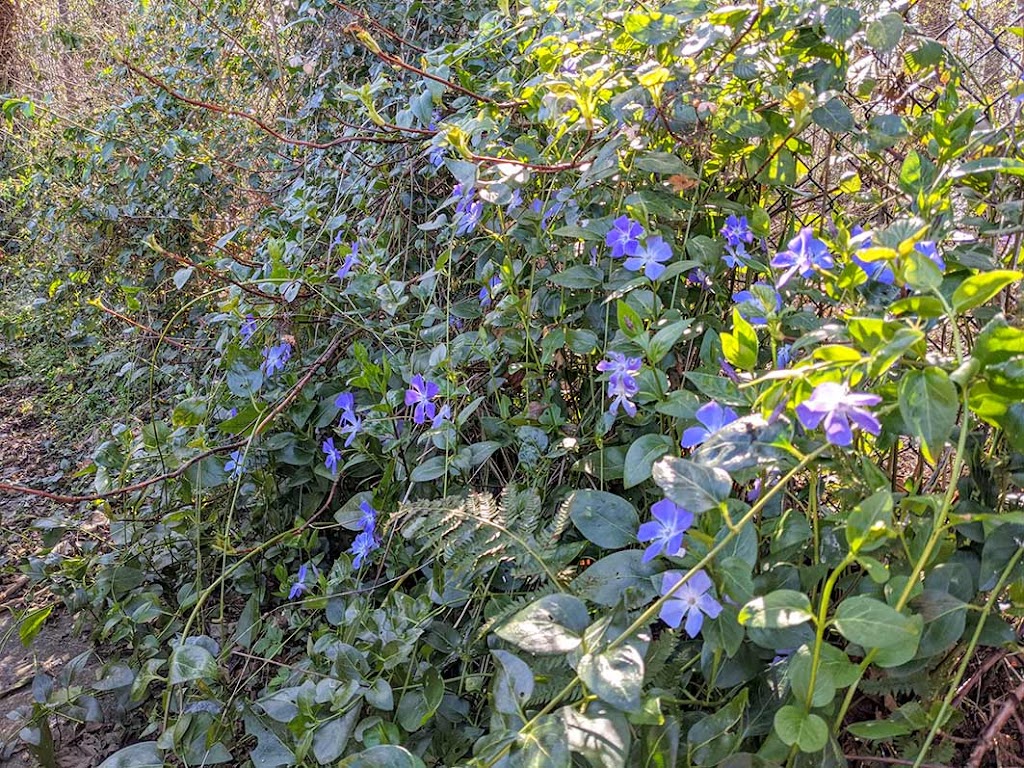
CVinca major growing up and over hydrange petiolaris
Overgrown vinca major all over hydrangea petiolaris

Here is the view from the patio.  You can just see in the background one of the large ash trees has had a huge bough snap off during the strong winds.  The entire tree is pretty dead and I think most of the ash trees in that golf course are going to have to come out.  That is good news for us as we may get more sunshine into the garden.  What with all the shade from the trees and all the recent rain, the ‘sunny’ border hasn’t been able to dry off very well.  I have lost the nepeta again this year which were in the ‘sunny’ border.  I will just hae to keep taking cuttings each year.
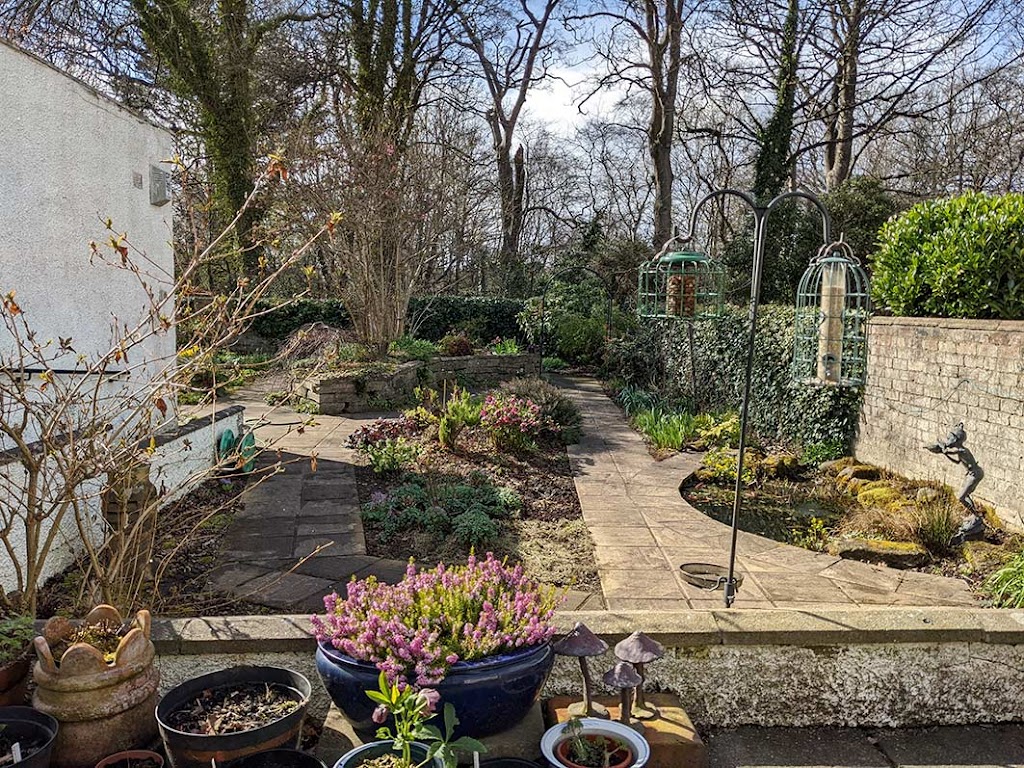
view of the garden from the patio
View from the patio

This is how the stumpery is looking right now.  I love the dappled shade in this woodland area, and spring and early summer is the best time of year here before the tree canopy develops allowing less sunshine to get through. The whole garden will soon have plenty of colour.
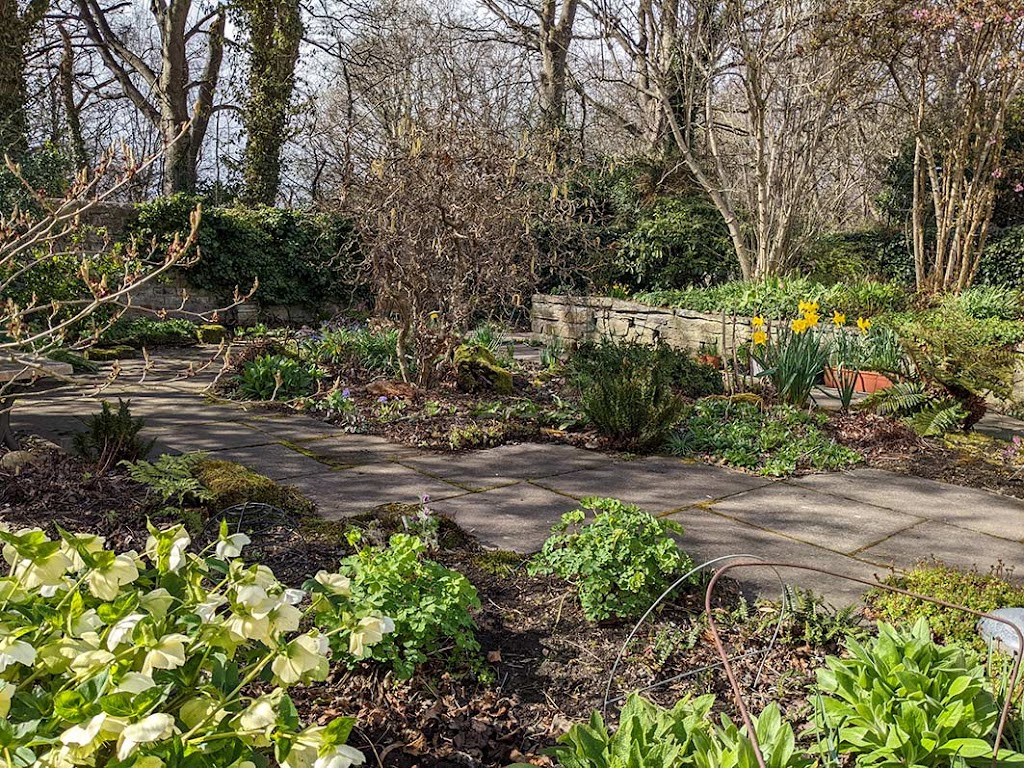
The stumpery in March 2022
Stumpery in March 2022

Review your garden.

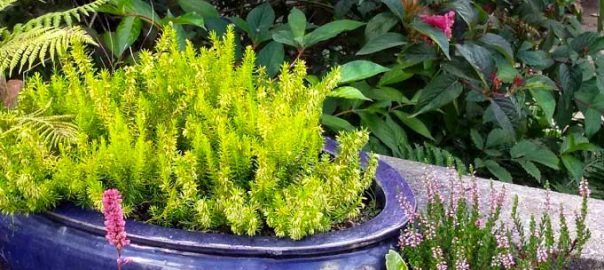
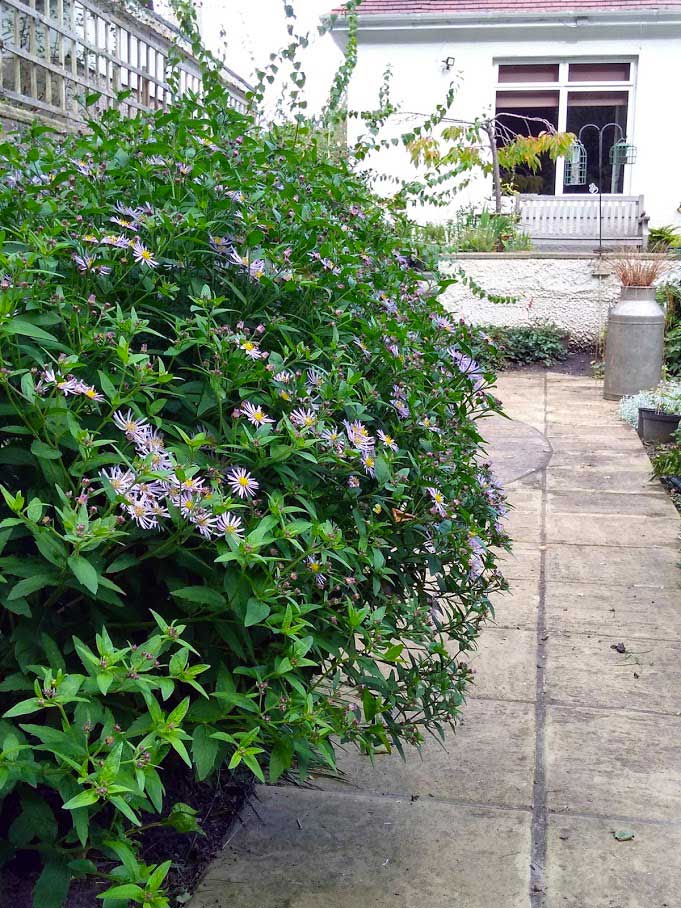
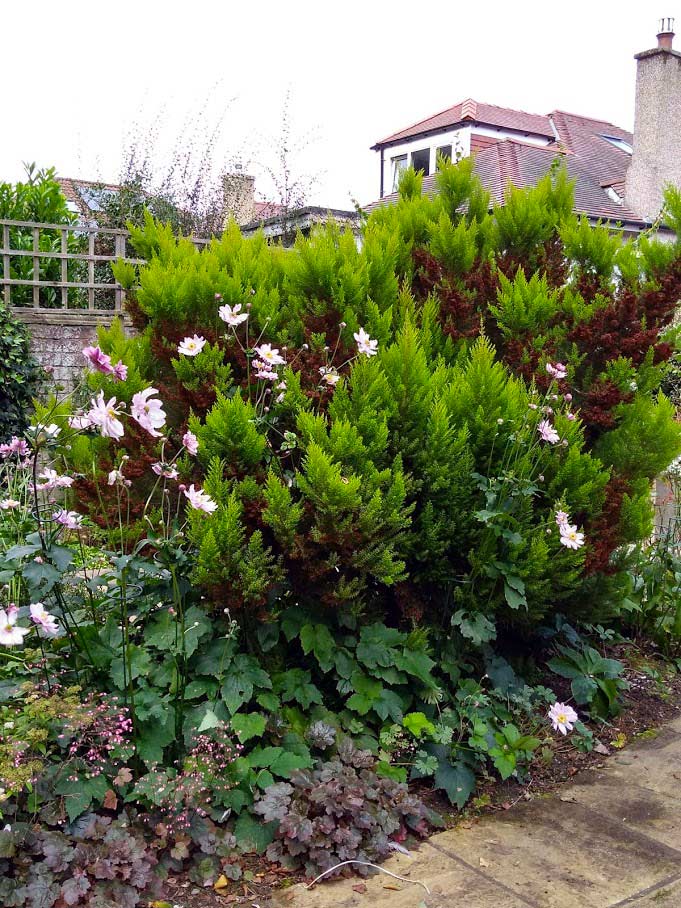
As I trundle around the garden every morning search for slugs and snails I tend to do a mini review of what is doing well, what needs tweaking, dead-headed, weeded, staked etc.  Now and again though I do a bigger review of certain areas that just don’t work for me.  Some plants may have outgrown their space.  Some I just don’t like how they have grown ie their shape or colour or their relationship with the plants next to them.  I am trying to be ruthless so am having to make the decision whether or not to keep the aster I planted (rather too close to the path), or move it further back, or do away with it altogether.  It isn’t a plant that I love but it is a good do-er.  I think I will wait until it has gone over and then find a replacement – one that I do love.  The area near the patio where the soil can get quite wet and is rather clay-like is still annoying me.  A thorn-less rose like Zephirine Drouhin might do well there, but then maybe a couple of dogwoods would thrive in those conditions?  Is there room for both dogwoods and a rose?    Another area of uncertainty is the central bed where the large tree heath is growing just a bit too large.  You can see from the photo that it wasn’t pruned right after flowering this year (you can see the old white blooms have gone brown) and I would like to cut it down in size to allow the other plants a bit more room.  How far down should I prune it?  I don’t want to take it right down to the base so maybe just take a 1/3 off?  That would mean I wouldn’t get any flowers next year but I can live with that.  We are still waiting for the house next door to be sold (been a few years now) and both the front and back gardens will be in a right state.  The garden wall is needing fixed as the previous owner removed the buttress on their side and has started to fall over at the back.  I haven’t been able to sort that area out and plant up as we don’t want any builders walking all over it.  Major pain in the backside!  Hey ho.

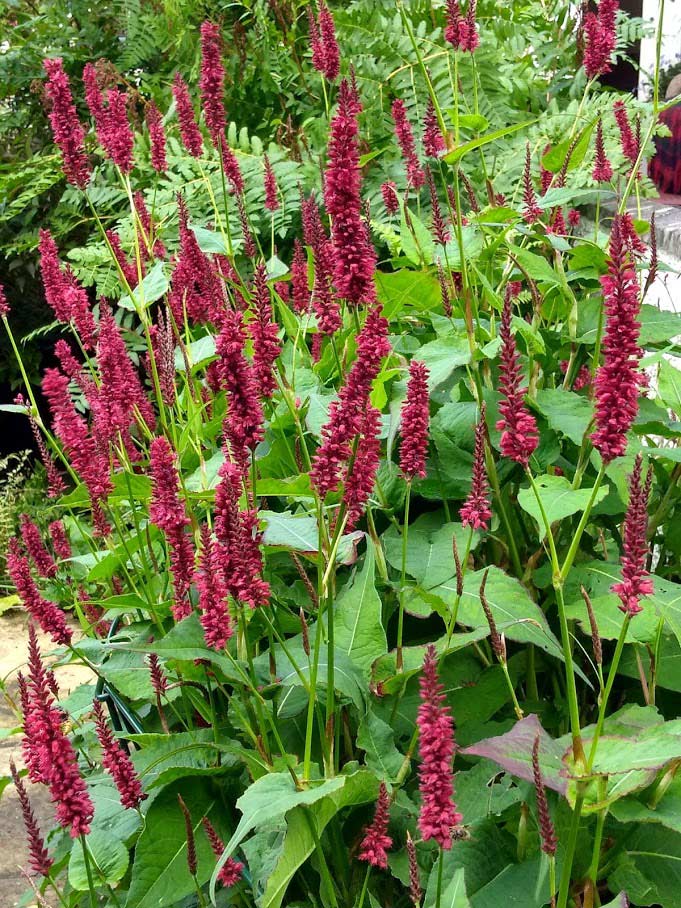
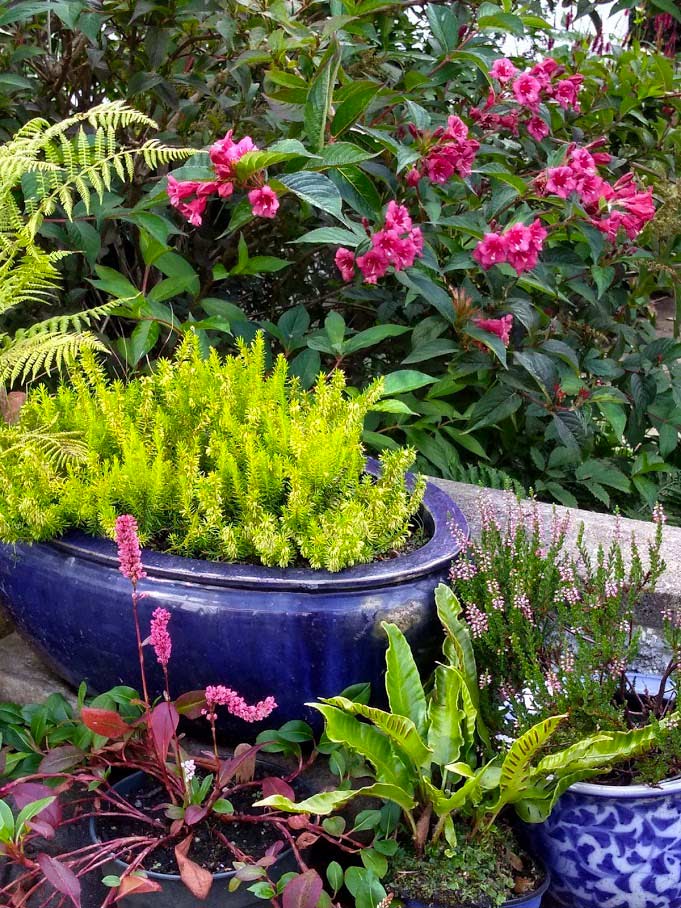
There are still a few plants which are flowering sporadically and some that come into bloom fully at this time of year so the insects can still enjoy a feed. The Japanese anemones, cyclamen and persicarias are looking great just now.  A couple of heathers are about to bloom.  A few of the hellebores are in flower, so too are the nepeta, mint, oregano, aster, coreopsis, viburnum, weigela, geum, knapweed, prunella, deadnettle, roses, parahebe, and even a few flowers still on the geraniums and foxgloves.  The apples are looking good.  They are not really keepers so I always have a bit of a glut at this time of year so I make apple sauce, apple pies and crumbles, stewed apples to freeze, eat some and give some away to pals.  Today however I will just be weeding and browsing my bulb catalogues.

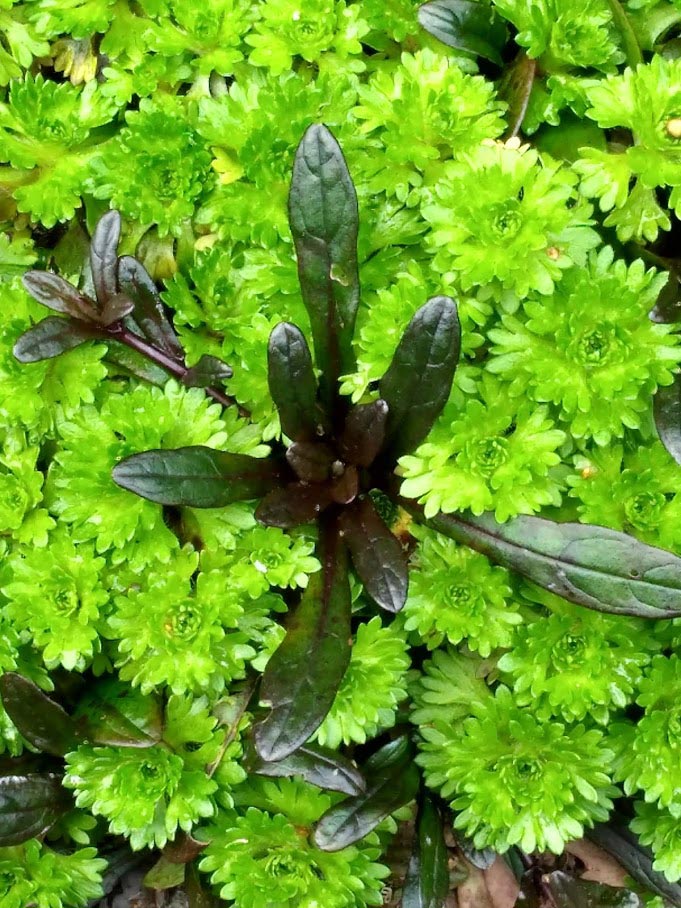
ajuga coming through saxifage
Ajuga coming through a saxifrage
Large aster bulging over path
Tree heath
Persicaria amplex ‘Blackfield’
Some pots on the patio in front of weigela

Jobs to do in July

There is always something to be done in the garden these days.  The never ending dead-heading and weeding, the chopping down and cutting back, re-positioning unhappy plants, potting on, sowing seeds and buying more plants.  This last week I have been pruning (with some help from Harry) the deutzia, philadelphus and weigela, which have all finished flowering now.  In the raised garden I have cut back some geraniums and dug some out that had outgrown their space.  The violas had spread far too much too so they were hoiked out.  Most of the foxgloves have finished flowering now and I have pulled a lot out but will save the seed from a couple to sprinkle where I would like the next lot to come up.  I am thinking of just getting rid of all of the nettles along the side wall now as I had originally grown them for wildlife, and I have not seen a single nibble on them over the last six years so I think it is time for them to go – a  job for Harry as I can’t reach them.

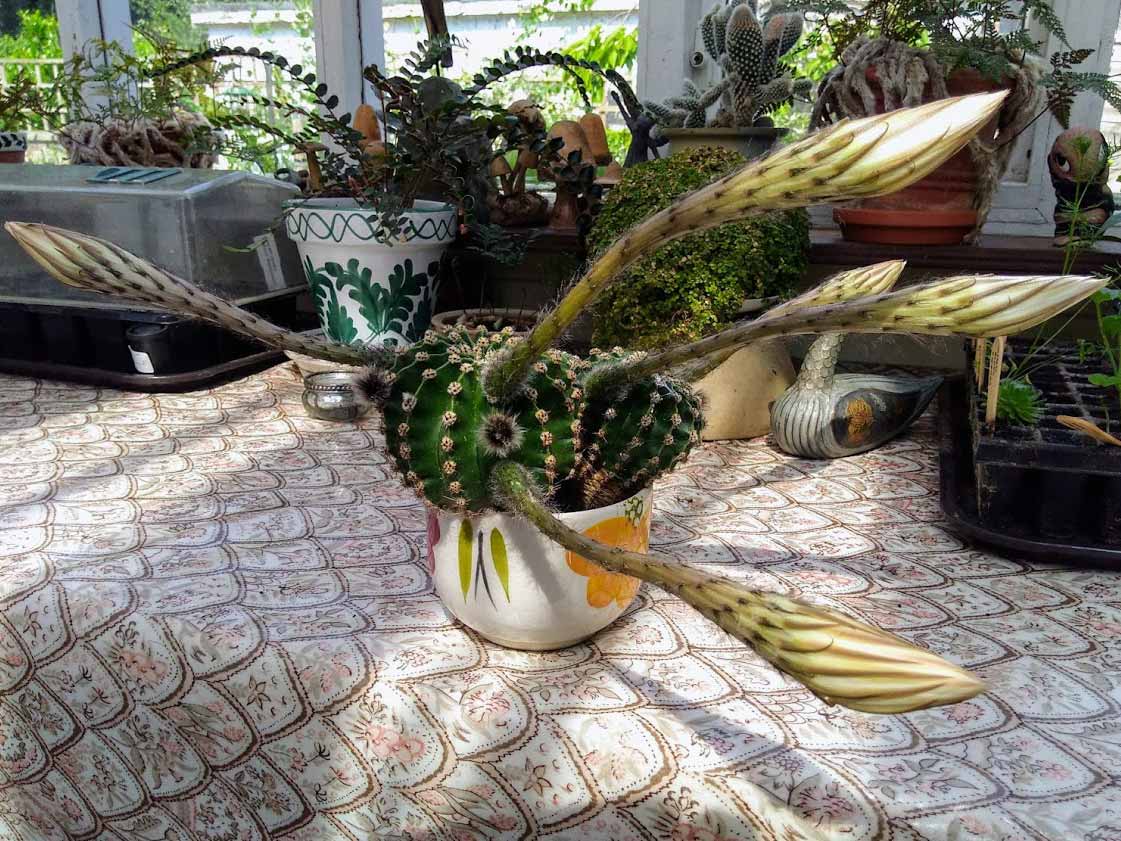
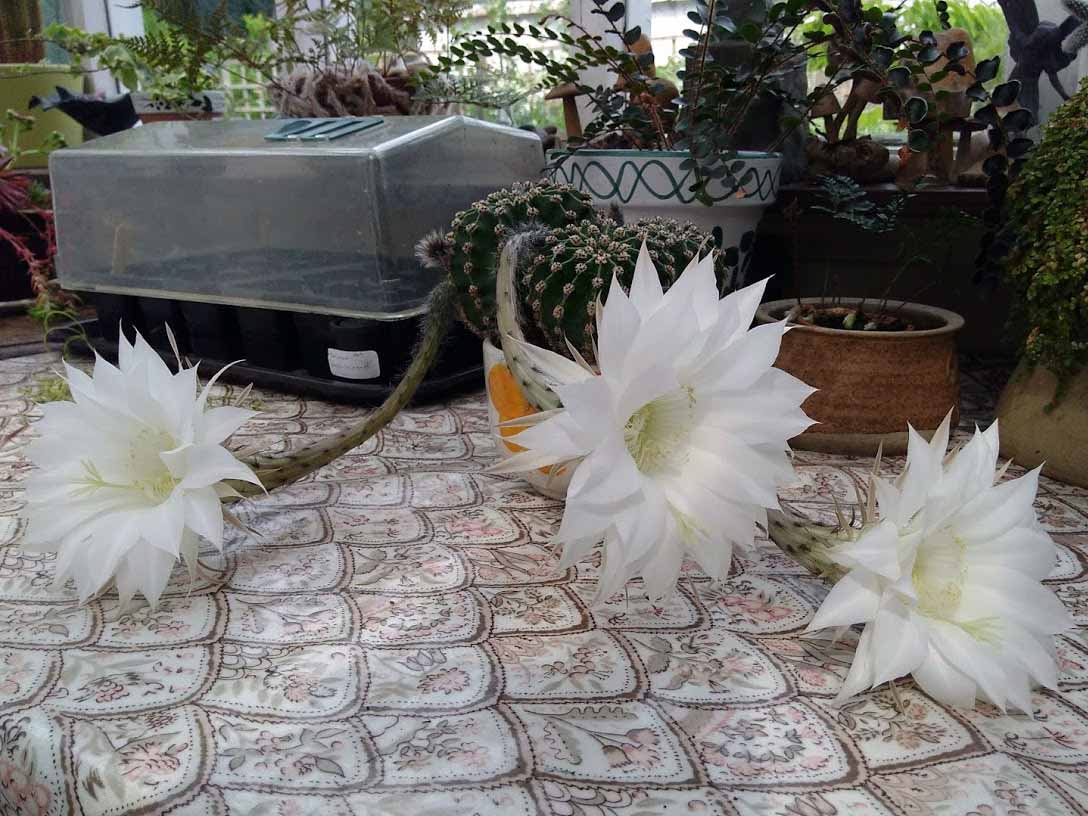
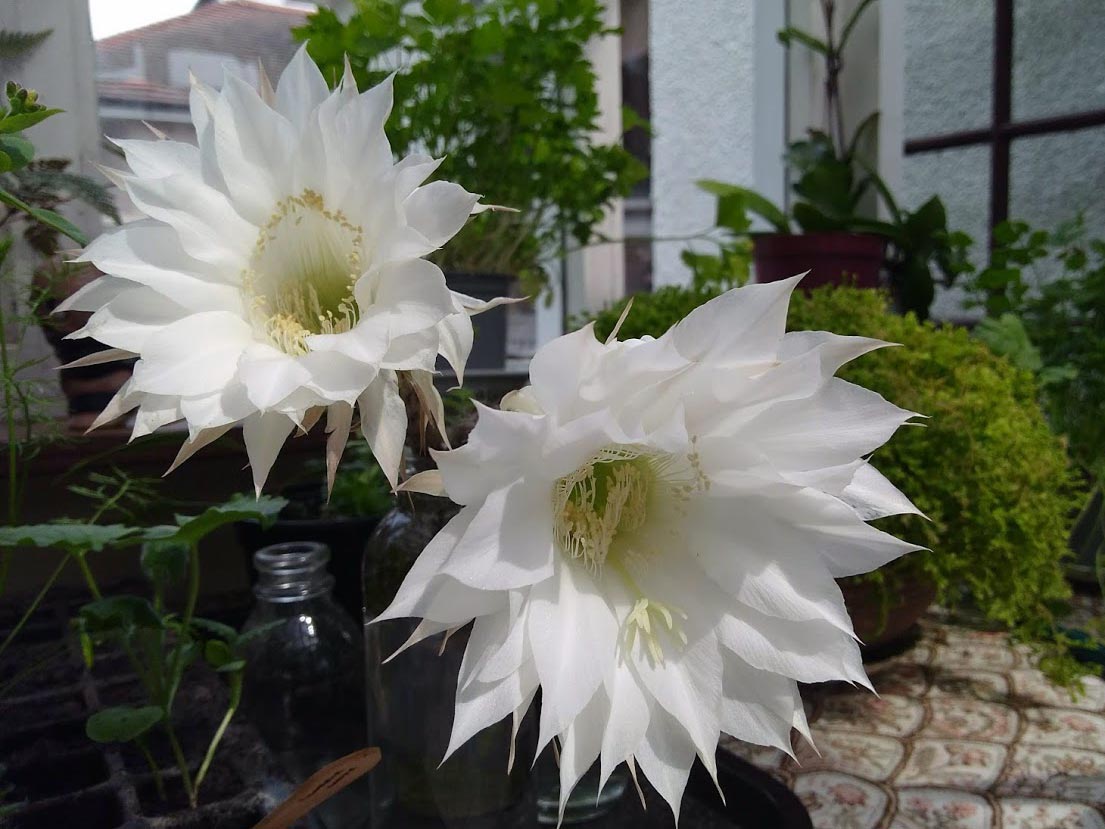
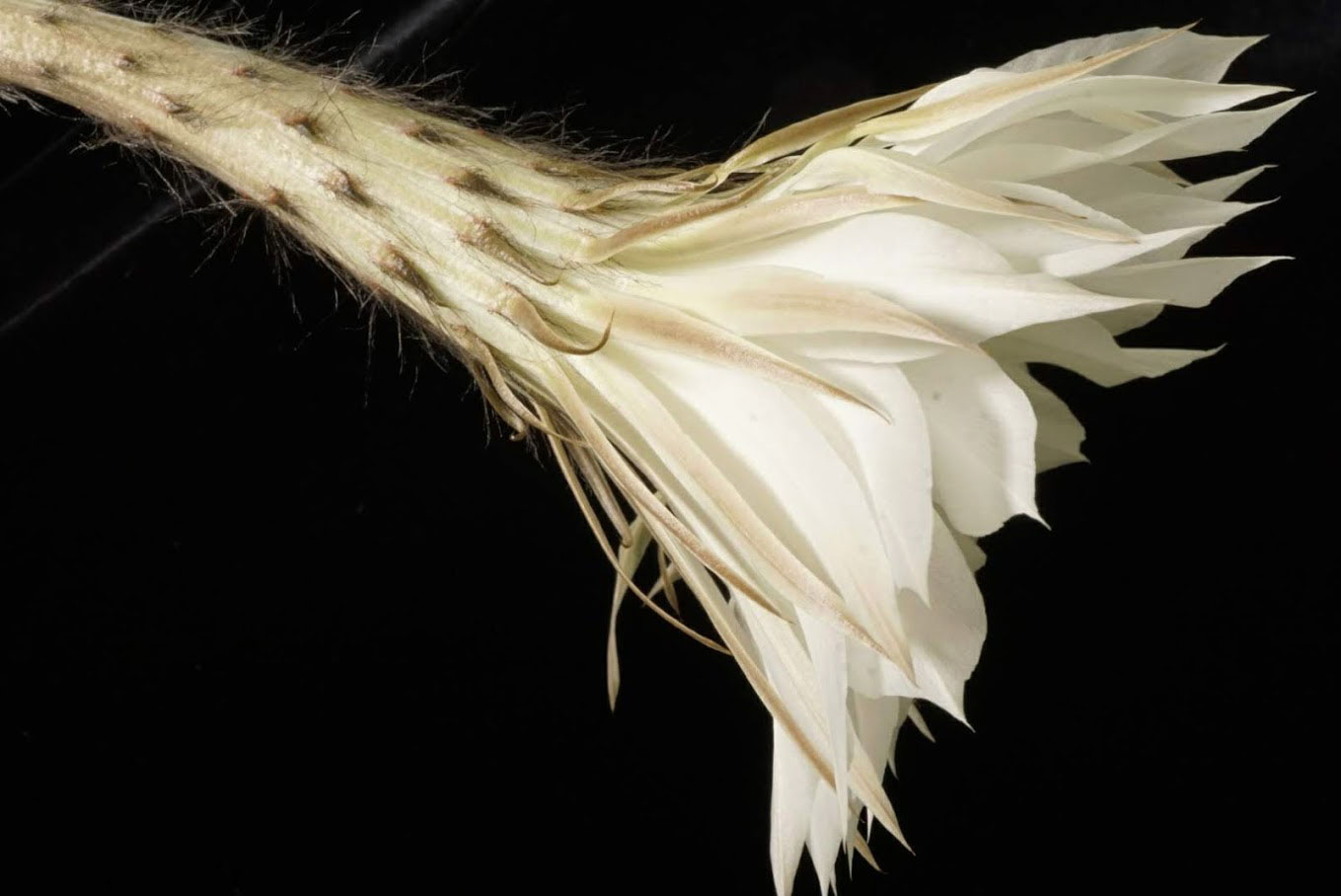
In the conservatory the cactus had five lovely big flower buds at first but the weight of two were too much and they fell off.  I put them in a vase so I could still appreciate their wonderful scent.  They only last a day or so which is such a shame.

plants, flowers,
5 cactus buds ready to open
plants, flowers,
only 3 flowers left on cactus
plants, flowers,
2 cactus flowers in a vase
plants, flowers,
cactus flower side view

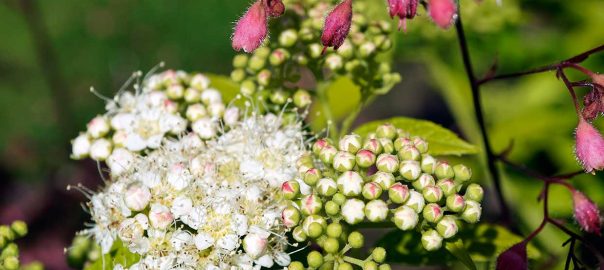
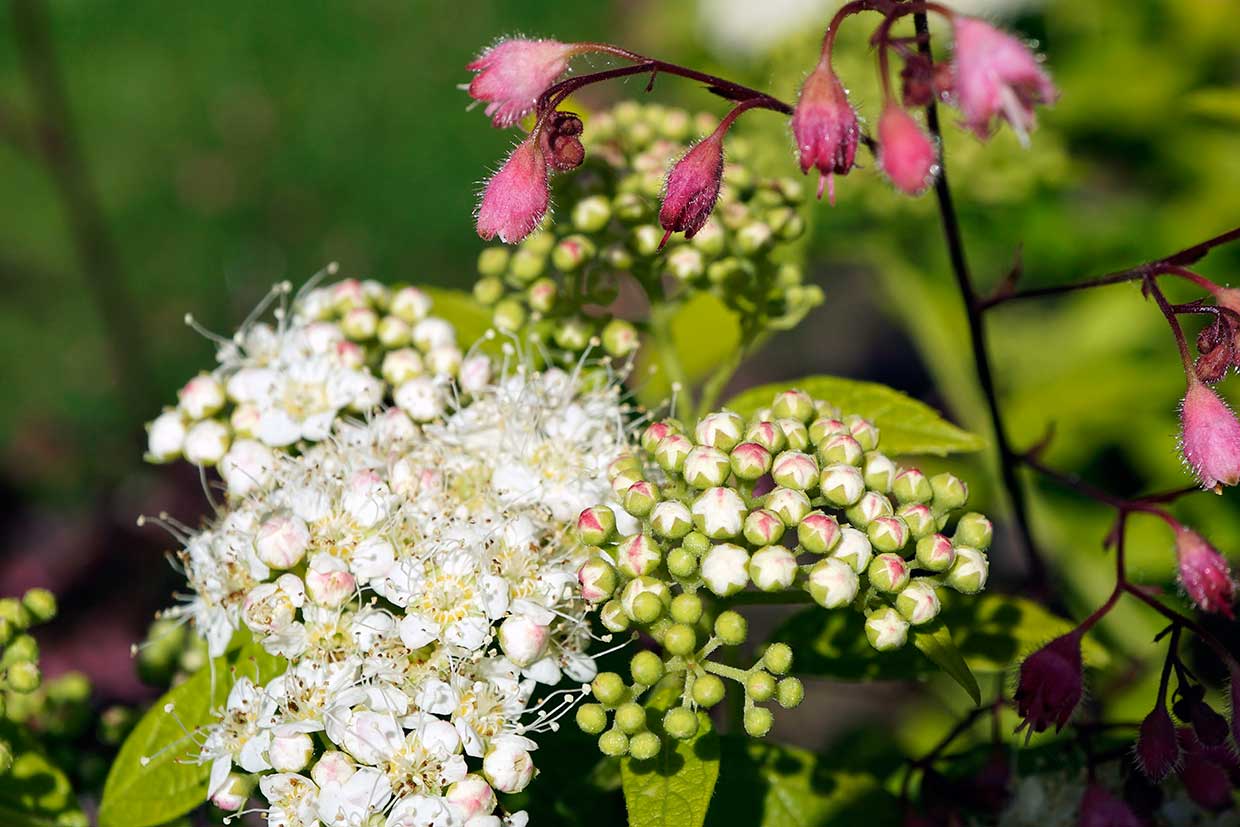
At the moment I am loving the combination of the Heuchera ‘Rachel’ coming up beside the Spirea Japonica ‘White gold’.  The spirea buds have a pink tinge to them which go so well with the pink flowers of the heuchera.

plants, flowers,
Spirea Japonica’ White gold’ and Heuchera ‘Rachel’
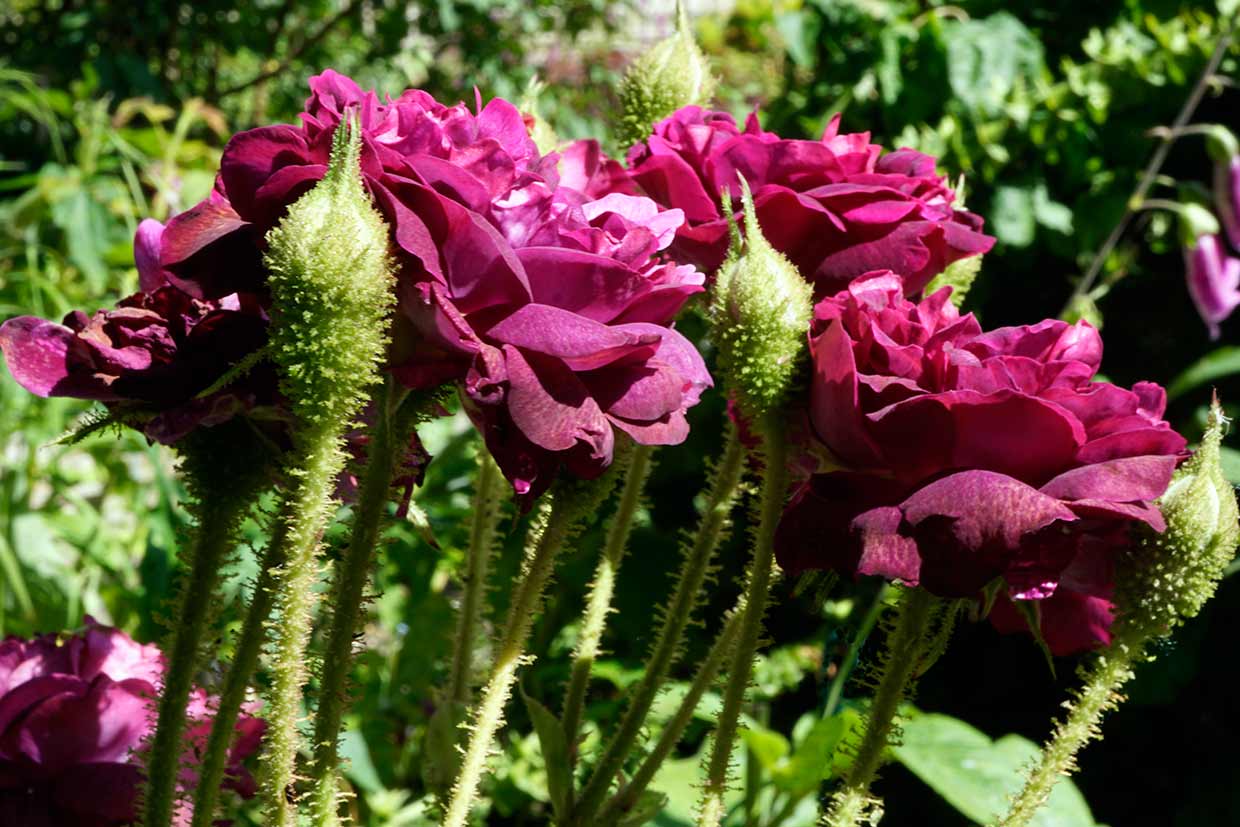
The moss roses are looking good just now too.  Harry thought that they were covered in greenfly but it is just the kind of furry, mossy look that they have.  I have found that if they get chopped quite low then they don’t get such a straggly look.  They tend to behave more like a shrub rose.  The other roses are doing ok but the ‘Munstead wood’ has some rust on it.
Moss rose ‘William Lobb’
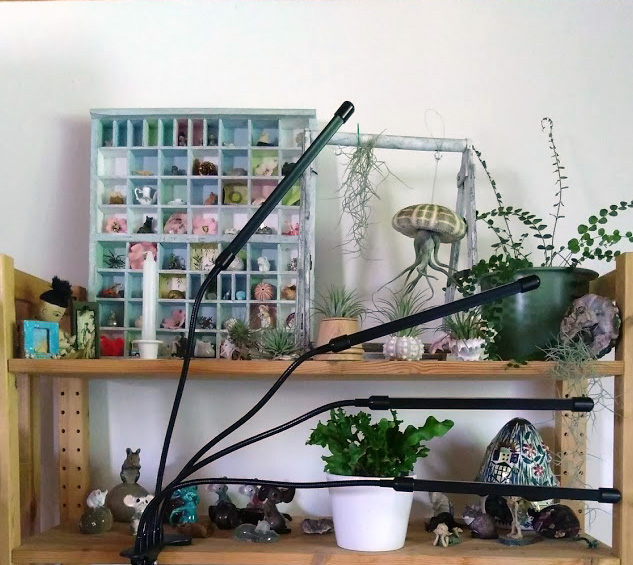
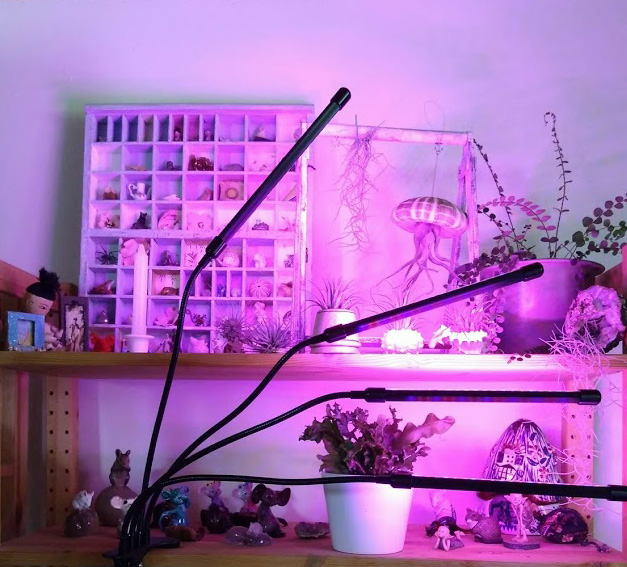
I treated myself to some air plants during lockdown.  Harry had given me some Spanish moss (Tillandsia usneoides) at Christmas which I split into two clumps and I have kept thinking about some of the other Tillandsias that might go well with them.  I am keeping them upstairs which means that I had to get a grow light for them.  The trouble with upstairs is that I need all the blinds and doors shut to keep out the summer sun, which means that any plants I have would have to cope with very low levels of light.  The grow light I did buy has a few settings and I have chosen to use the pink light for 9 hours per day and see if they like that.  I don’t actually like the look of this black light in front of the plants so I may try to find a way of clipping it to the side of the shelf but the lead is quite short.
plants, airplants,
Collection of Tillandsias and couple of ferns
plants, airplants,
collection of Tillandsias and couple of ferns with pink grow light
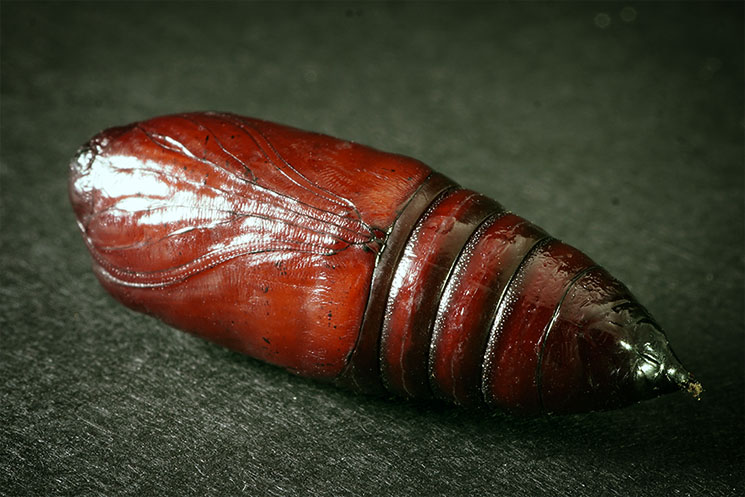
And lastly, here is a photo of a moth pupa I found nestled in the corner of a door in the conservatory.  I did keep it until it hatched but alas I did not get a photo of the moth.  It looked kind of khaki coloured and I looked through some moth charts but couldn’t identify it.
wildlife,
Moth pupa

Noticing what is around you.

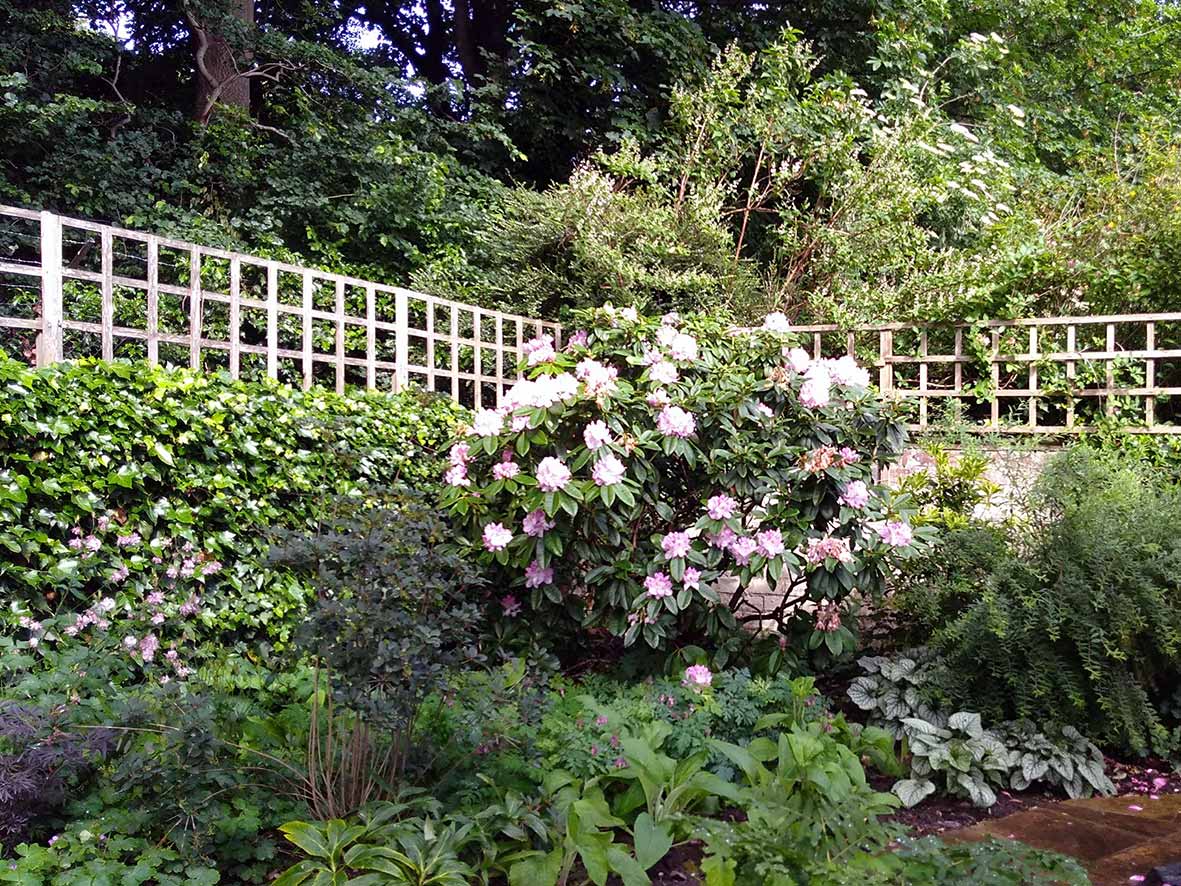
I have found that most of the time while working in the garden or doing slug patrols, you tend to be so focused on the job in hand that you may not notice what else is going on in the garden.  It is a good idea just to wander around and really see what is happening around you.  Our rhododendron is flowering quite happily after it’s move last November so it never went in a sulk after all.  Mind you, I did keep it well watered just to make sure, then gave it a wee feed just before flowering.  We planted a couple of new shrubs (Enkianthus companulatus and Sambucus nigra f. porphyrophyla ‘Eva’).   And to fill in a bit of space, added all the foxgloves that were found in the wrong place (just till I figure out what should go in there long term).

plants, flowers,
Rhododendron Gomer Waterer

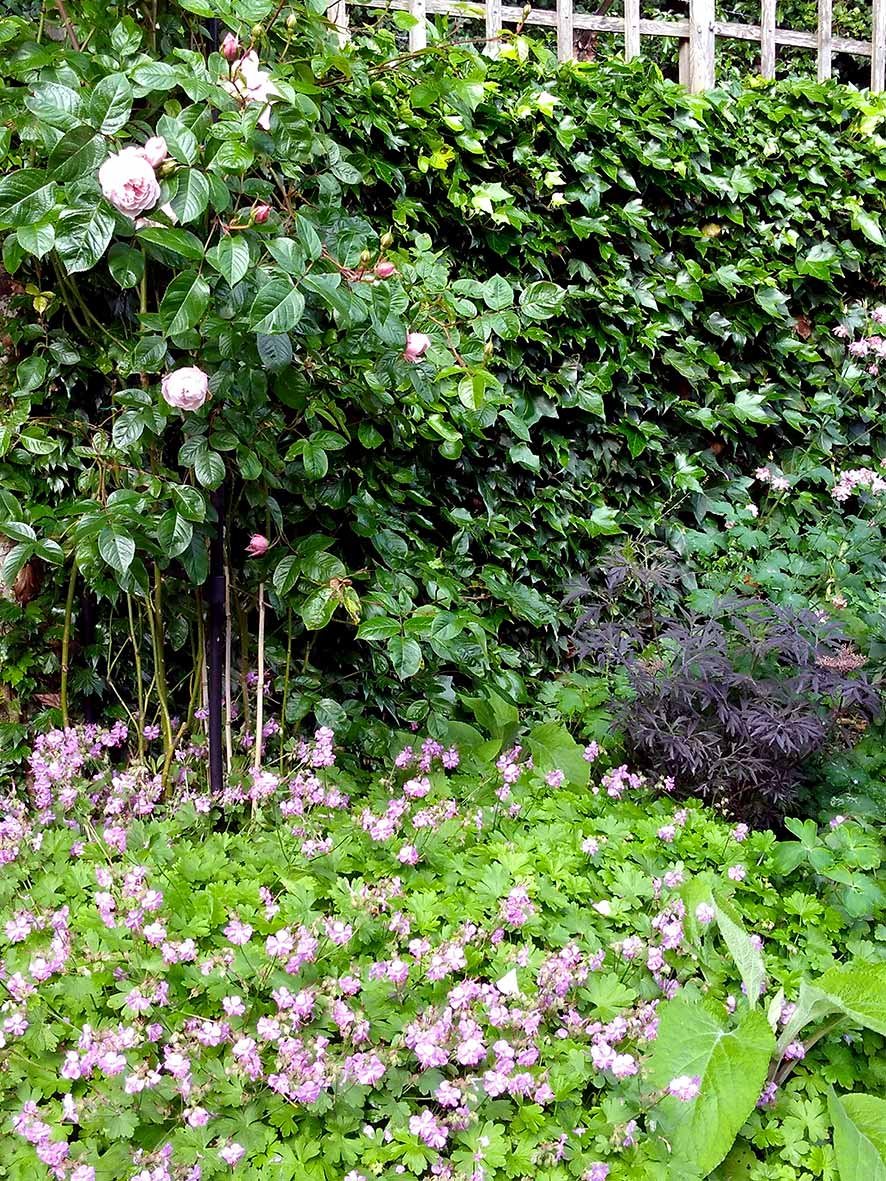
Just along from the corner is arch that I have been trying to grow a rose over (Rose Generous gardener), in place of the Clematis montana alba that died.  It is not an ideal place for them as they can only get the sun in the morning, and they are under the sycamore trees of the golf course.  I need to keep them well watered and that has meant watering them almost every day this year.  They are looking good so far, and once the elder is bigger I think the contrasting colours will look even better.

plants, flowers,
Rose, geranium and elder.

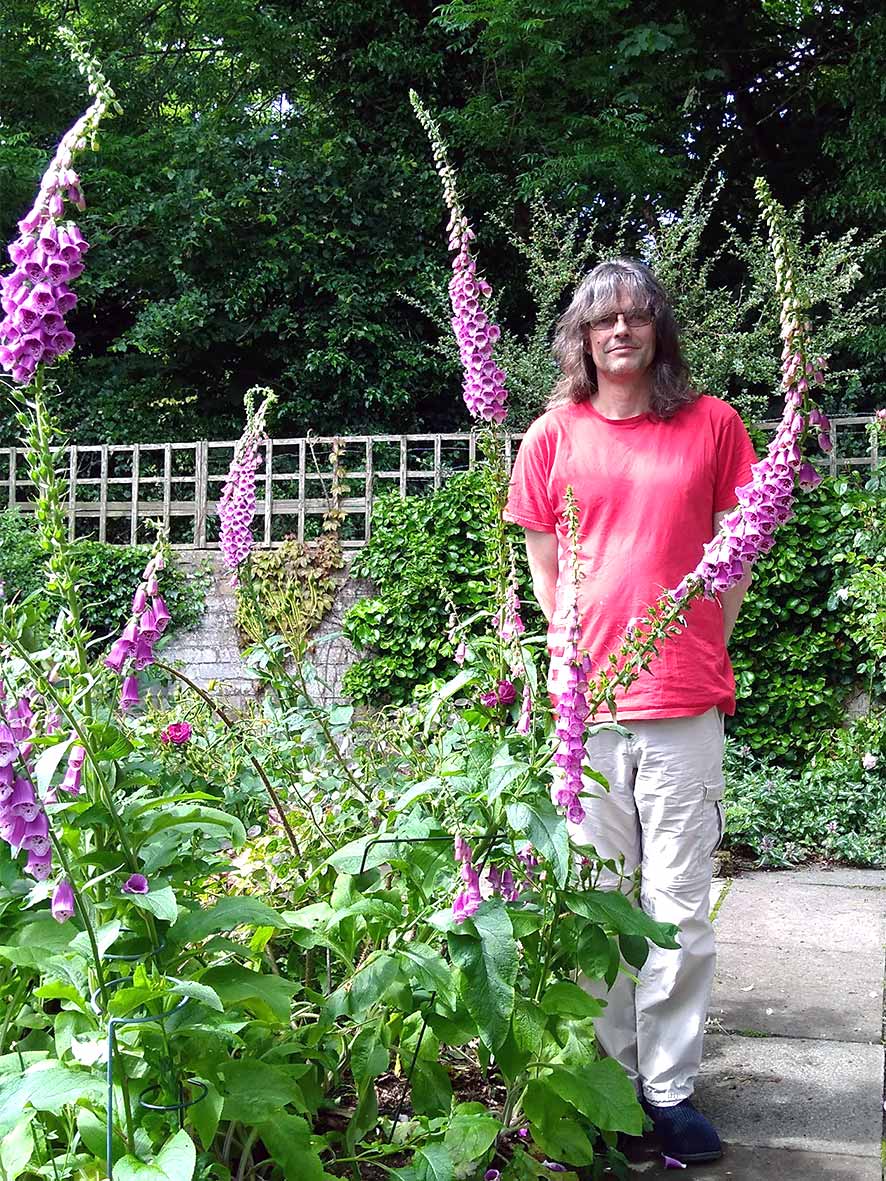
The foxgloves are the tallest they have ever been in this garden.  Harry is a about 6′ 1” and he is standing next to one that looks about 7′ tall.  There is one in the middle of the stumpery which is even taller.  Although I read (Guiness world records) that the tallest ever foxglove was grown by Lydia Foy in Ireland in 1997 – 10’10” (3.29m) WOW!

plants, flowers, Harry,
Harry and the tall foxgloves.

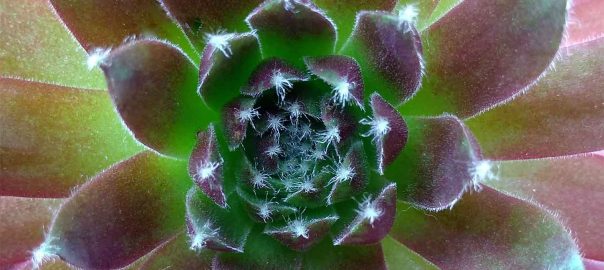
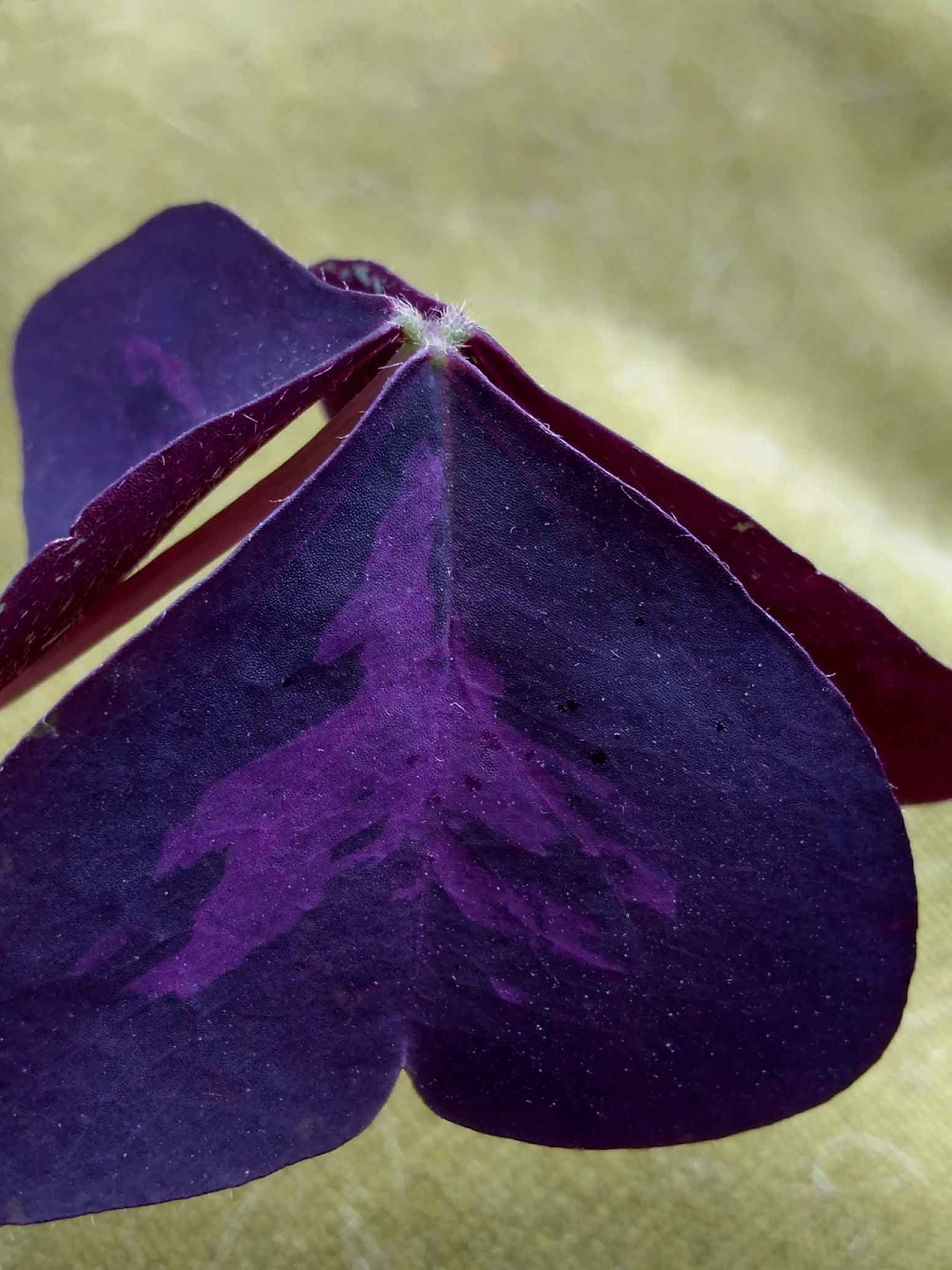
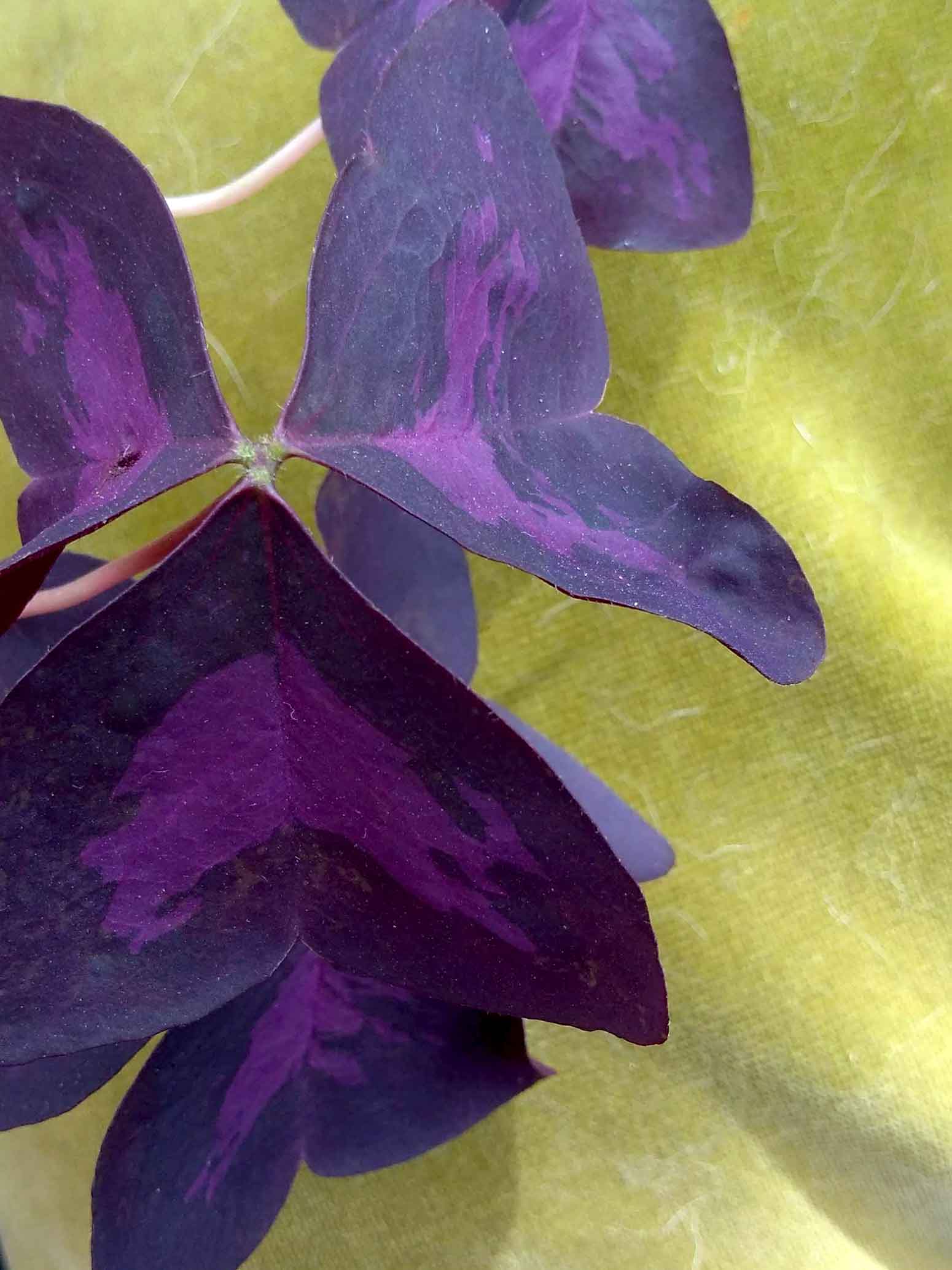
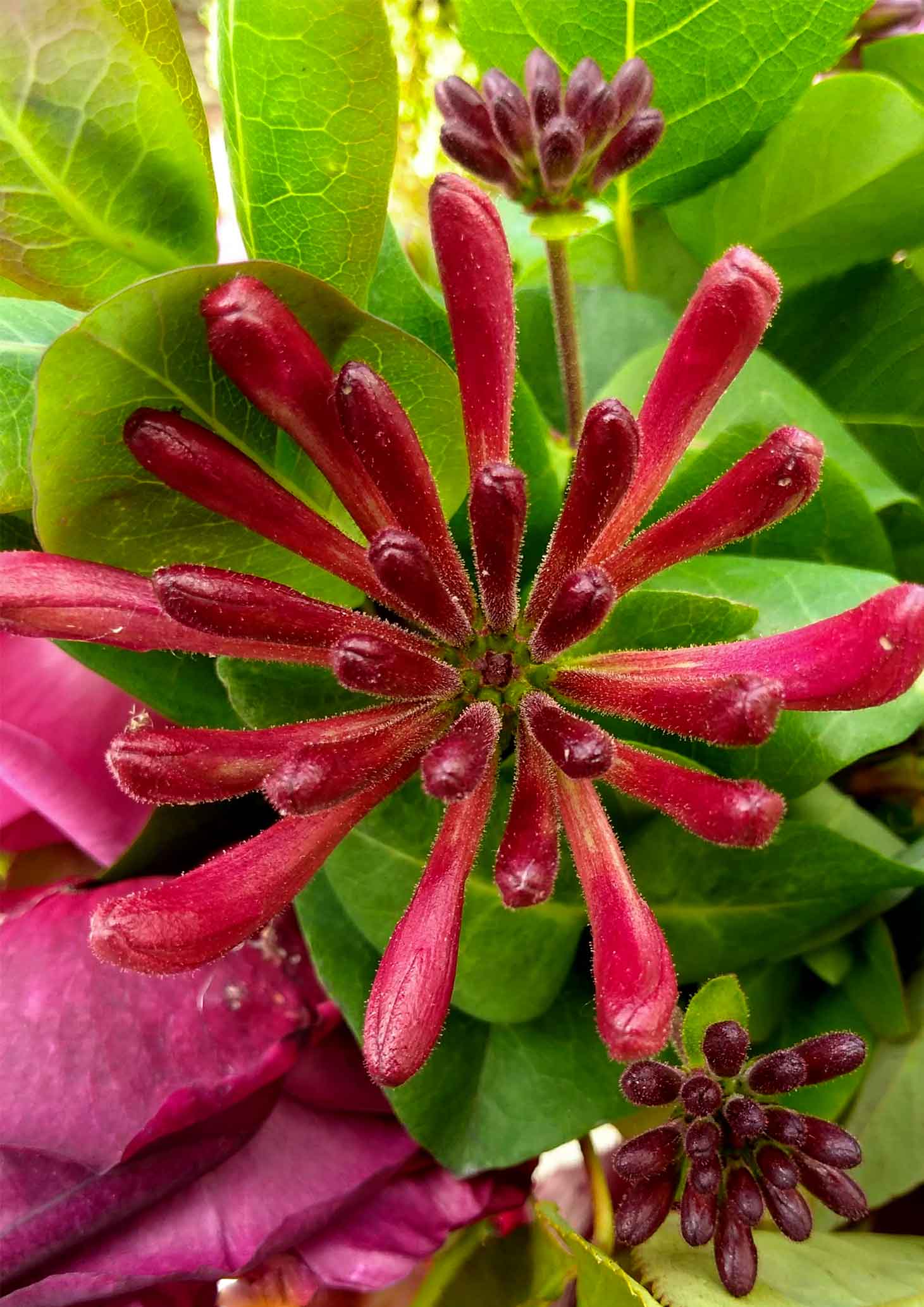
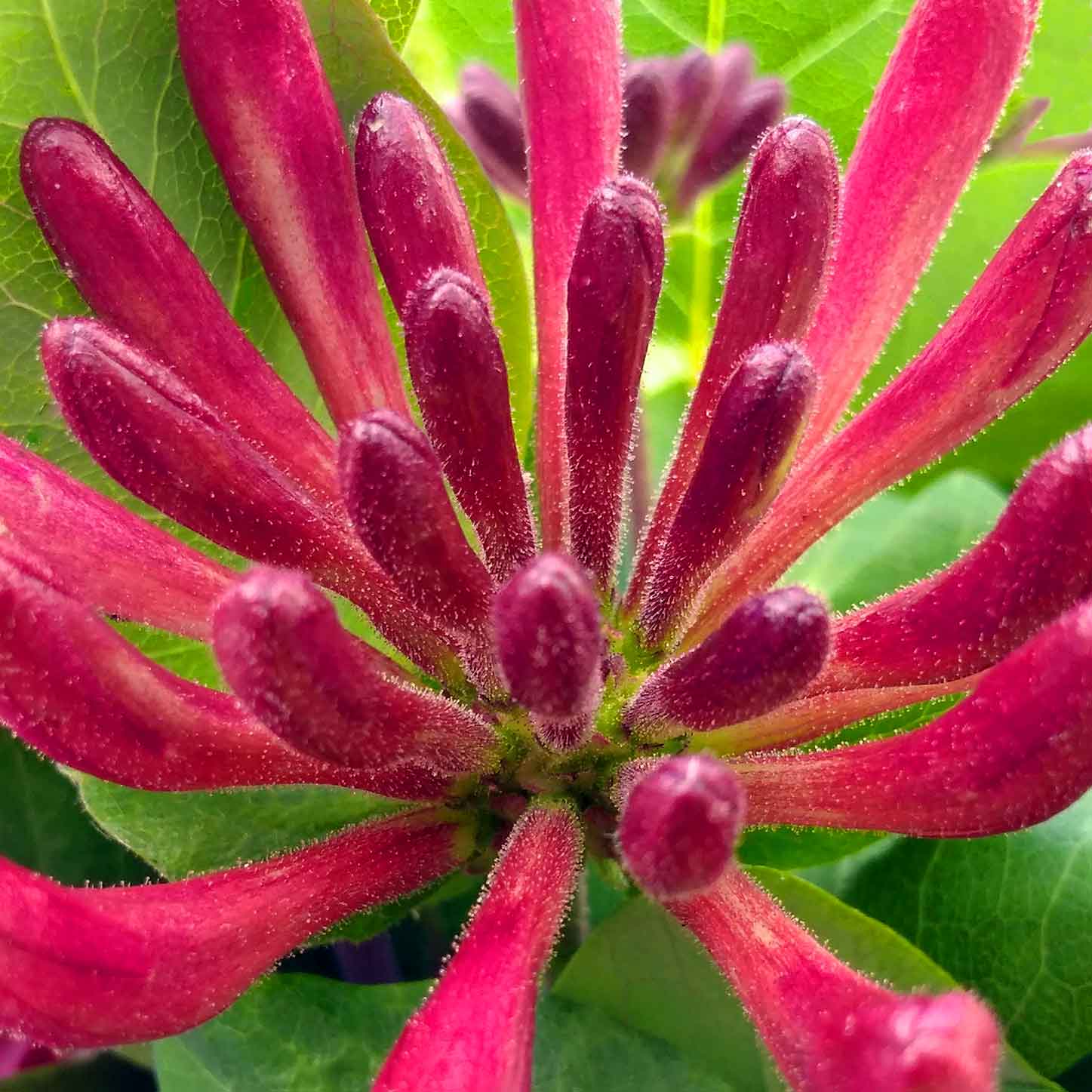
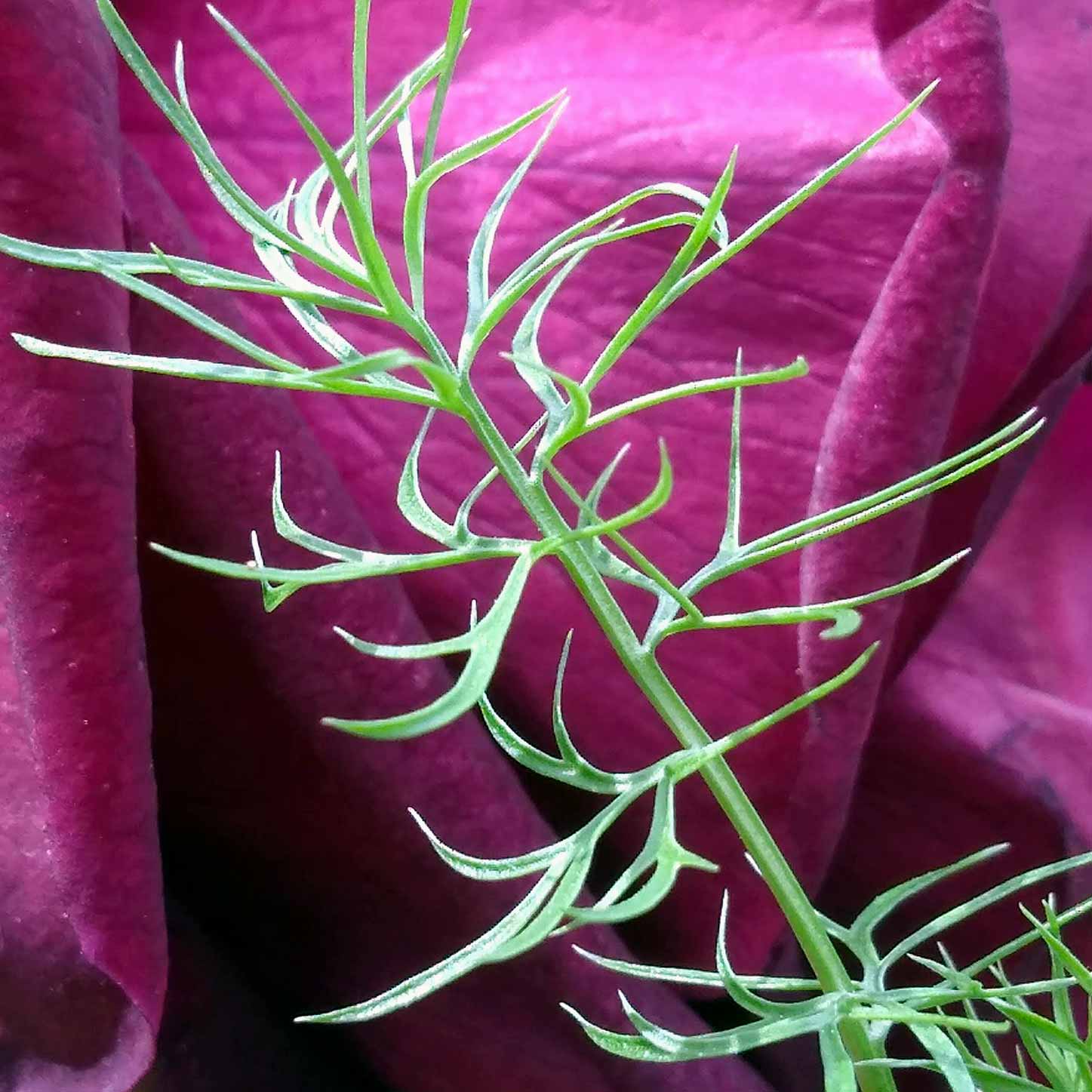
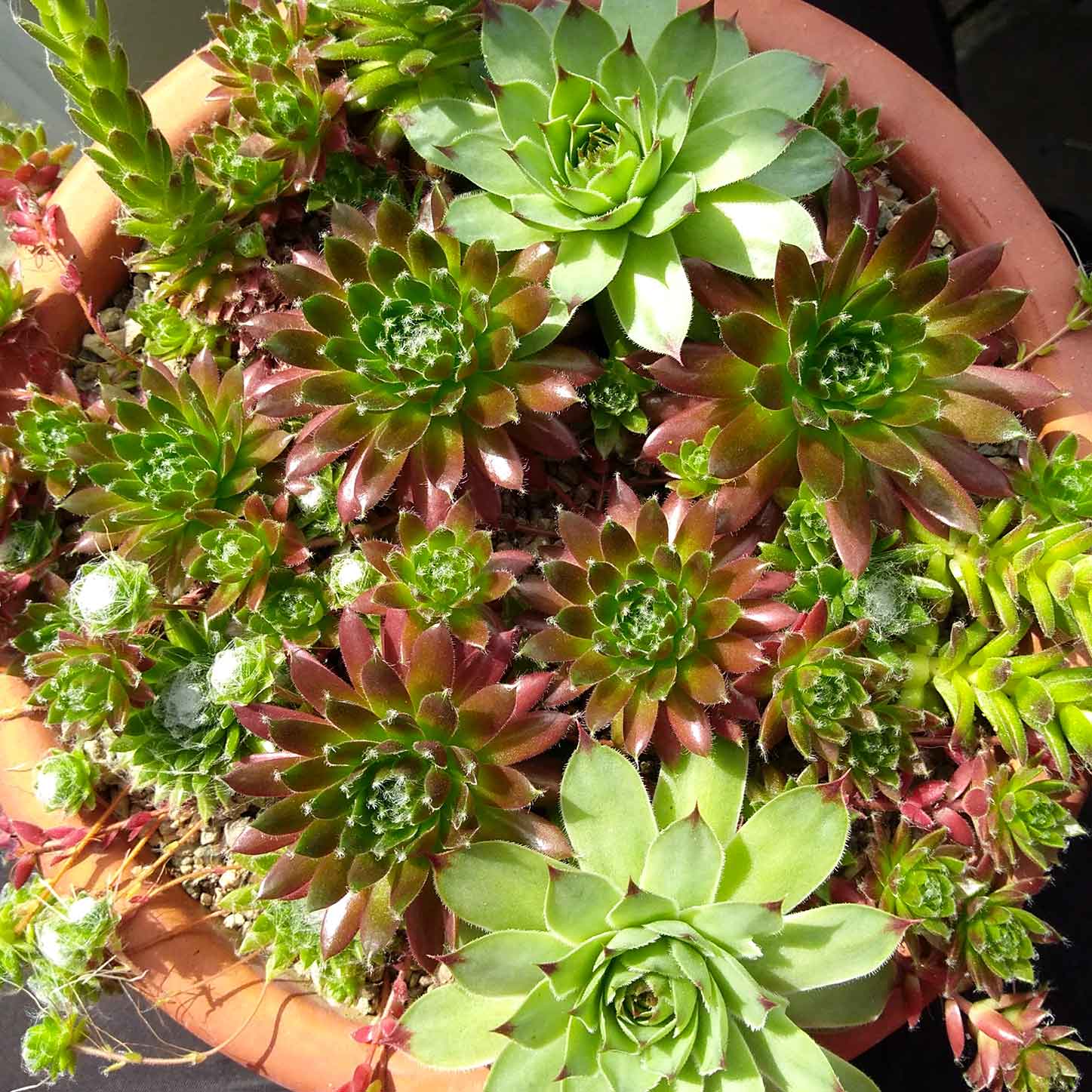
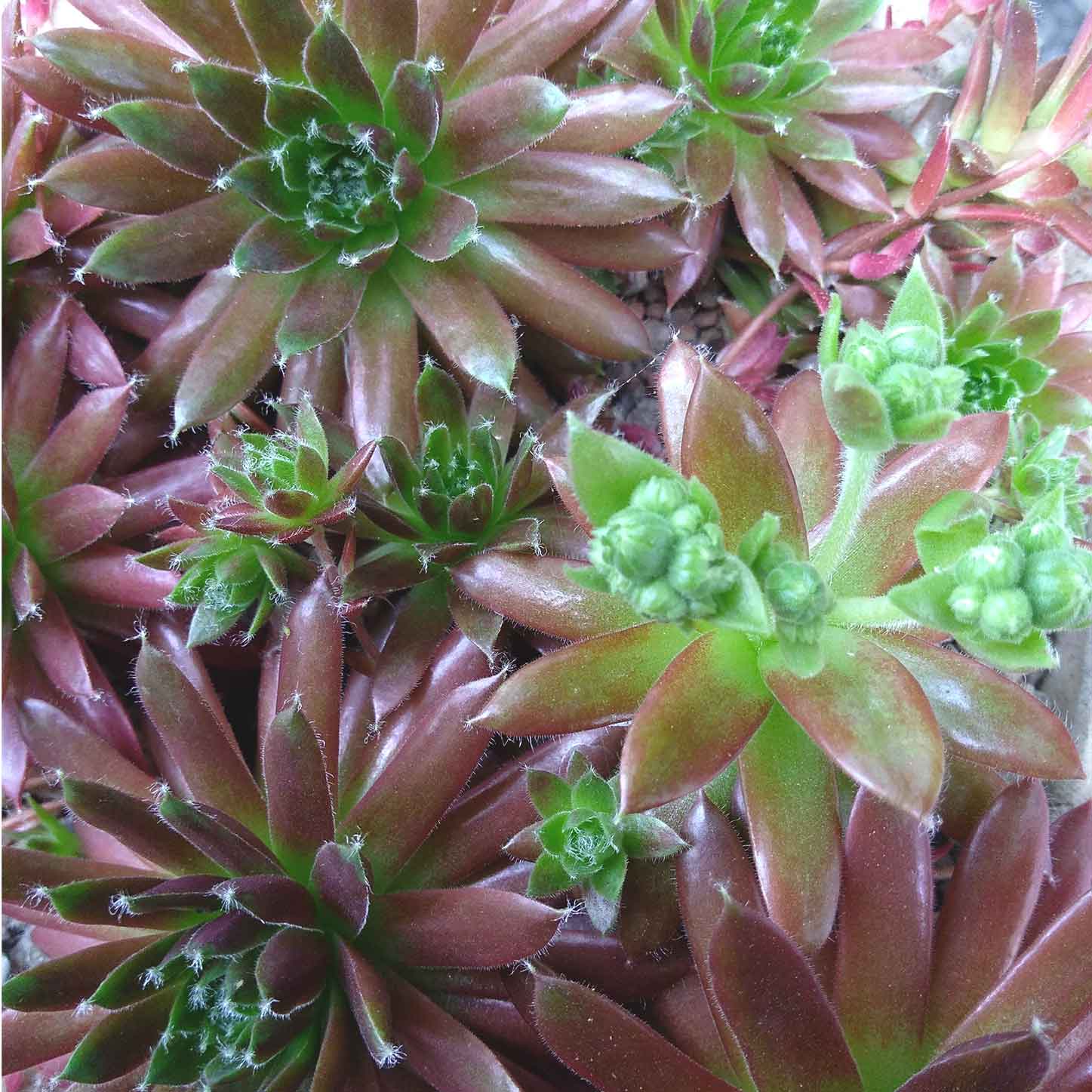
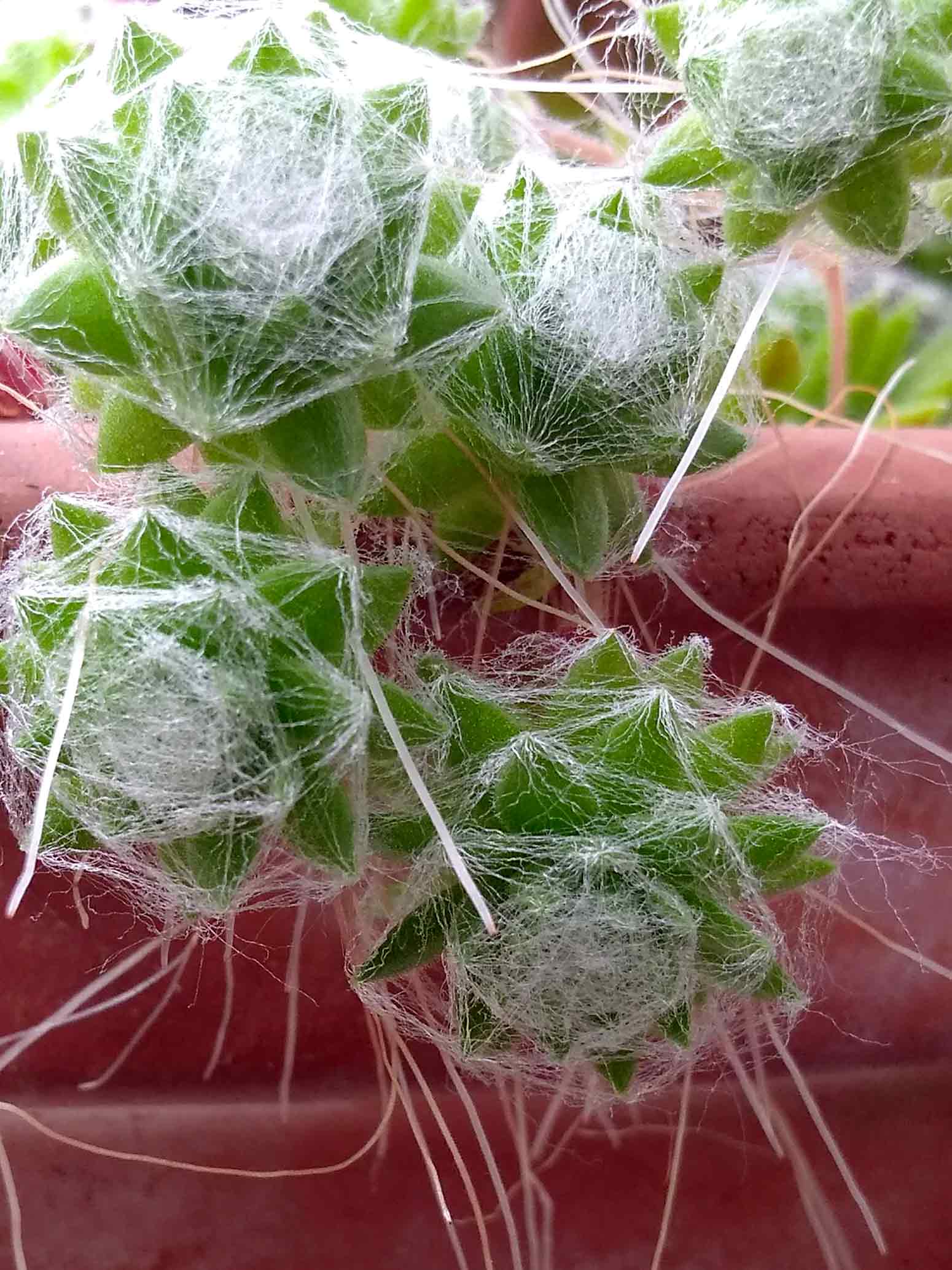
In the conservatory there were a few nice colour combinations or just nice colours that I liked.  I had a vase of roses and honeysuckle together and the buds of the honeysuckle were a bright deep red colour before they opened to release their exquisite scent.  Little things catch my eye, like the purple foliage of the axalis against the pale green velvet cushion.  Dangling roots of the sempervivums, and the little tufts of hair at the points of some of them.  Others have web-like hairs across them, and some go through a colour change from green through to a mahogany brown. The tips of other sempervivums are very pointed and look like they have been dipped in ink.
It is always worth taking a few moments to do nothing but look and be aware of what is around you.

plants, foliage,
Purple oxalis leaves against pale green cushion.
plants, foliage,
Purple oxalis leaves against purple cushion.
plants, flowers,
Honeysuckle buds beside purple rose in vase.
plants, flowers,
Honeysuckle buds.
plants, flowers,
Seedling against purple rose.
plants, foliage,
Sempervivums (mixed).
plants, foliage,
Sempervivums.
plants, foliage,
Sempervivum with hairy tips..
plants, foliage,
Sempervivum roots and web/hairs.

Woodland/stumpery/cottage garden?

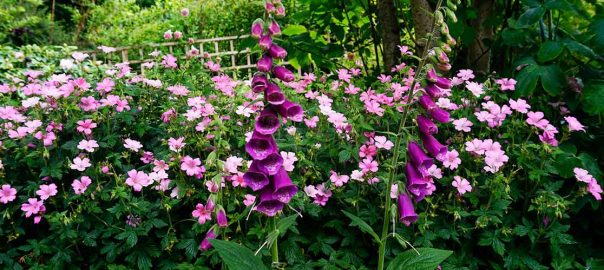
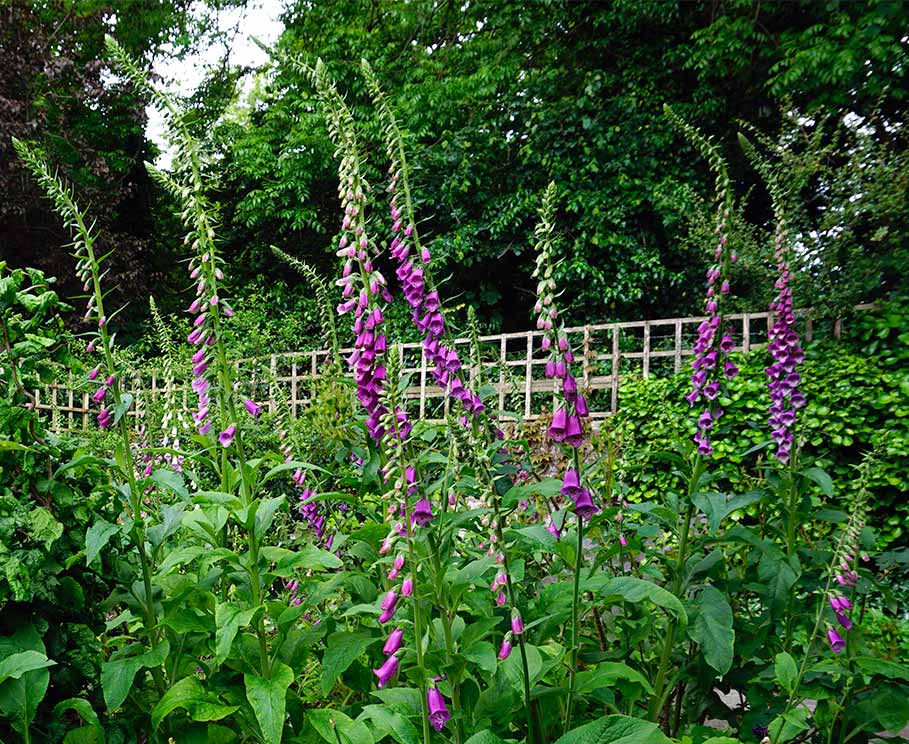
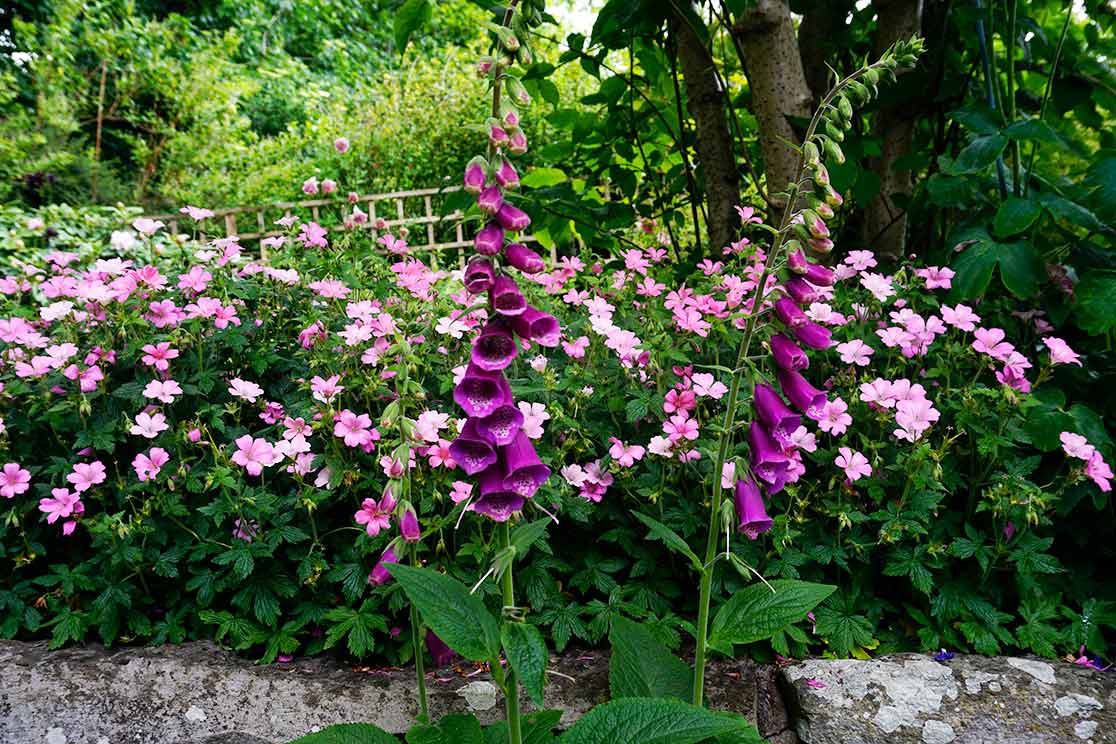
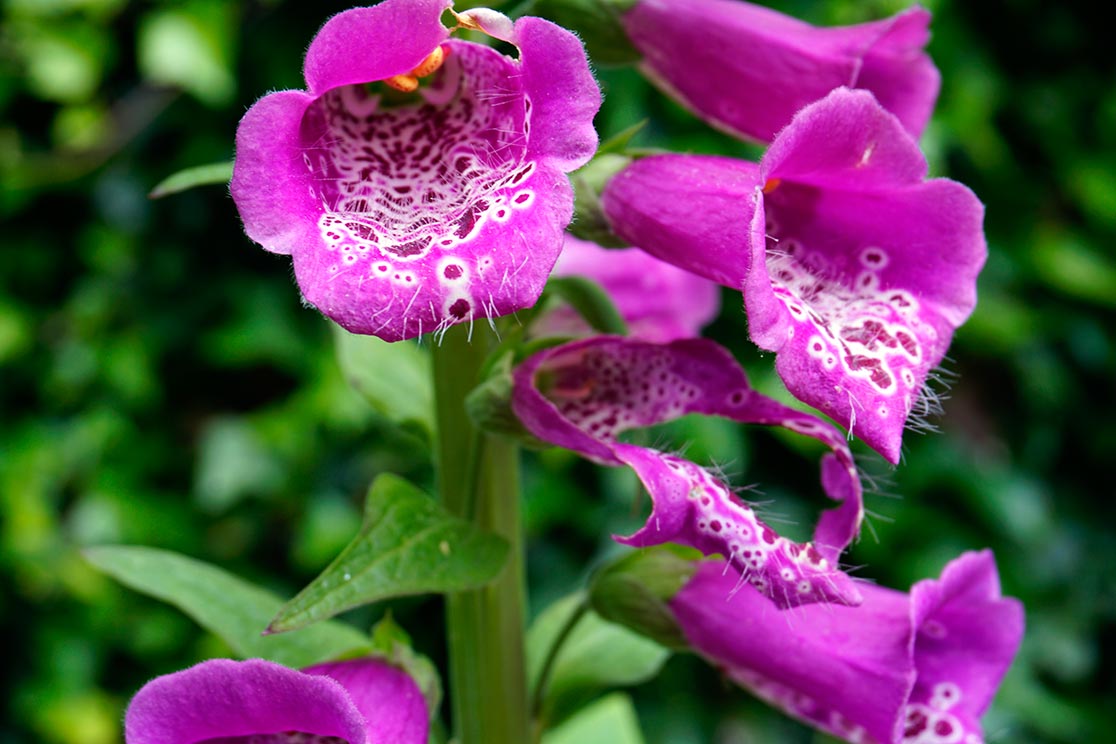
In the stumpery – woodland area I have mixed some wild plants along with plants you might associate with a cottage garden like foxgloves and geraniums as they like a semi – shaded aspect and are often found in woodlands.  I mostly let the foxgloves seed about where they like but if there are too many, otr they are just too close to the path, they get hoiked out and replanted in another area.  The foxgloves are looking great just now and are mostly untouched by beasties.  There is some damage on a couple of flowers – possibly snail damage.  A couple have toppled over but most of them are standing up by themselves.  The main colour scheme are shades of pinks, red, mauves, purples with splashes of white and gentle yellows.  I don’t particular like orange plants in this garden but I do like coppery foliage of some plants especially ferns.

plants, flowers, stumpery,
Foxgloves standing tall.
plants, flowers, stumpery,
Foxgloves and geranium.
plants, flowers,
Foxglove damage.

We have had a very sunny and hot May but so far a rather foggy, cold, and drizzly June.  The knapweed in my previous post is looking very bedraggled, and covered in mildew and brown leaves. I want to chop the whole thing back to the ground where it will shoot again, but there are loads of buds on these horrid looking stalks.  What I may do is; once I have chopped it back, I will take off most of the foliage and put the stems in a vase, so that when the buds open – the bees can still visit them and I can enjoy both the flowers and the bees.
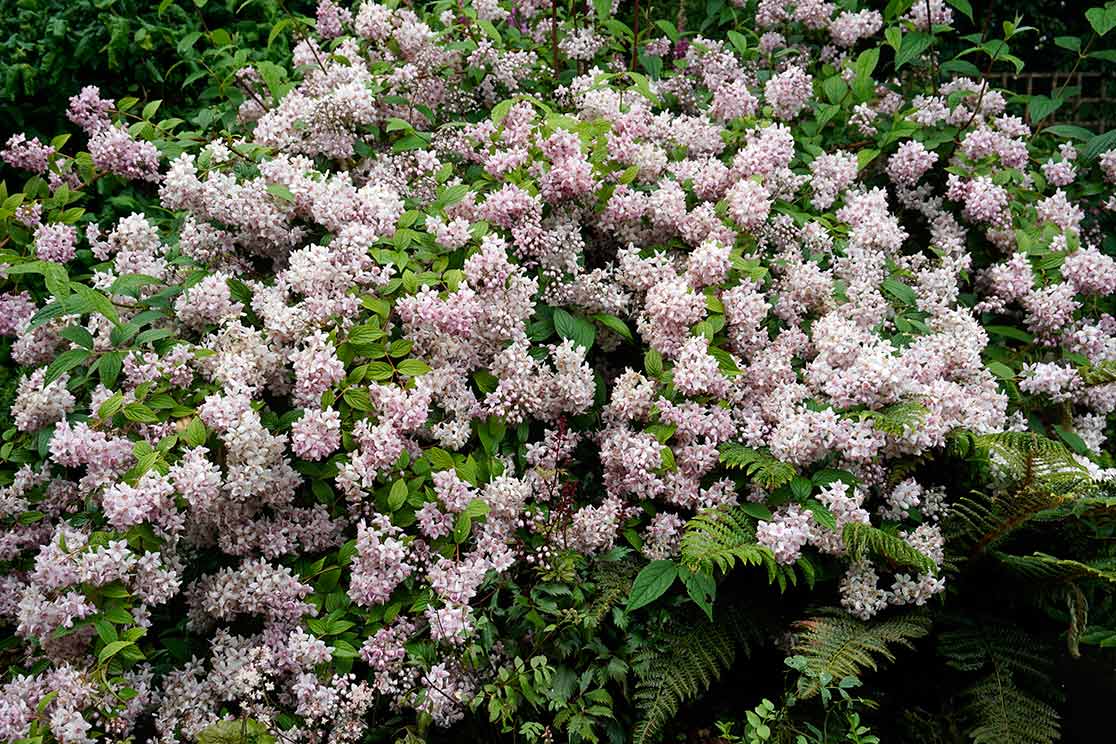
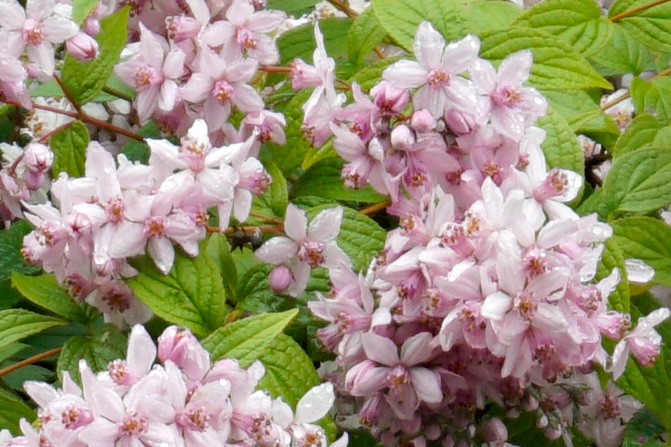
The deutzia is covered in flowers.  It is usually covered in bees too, but not today as it is so cold there are only a few brave bees about. It may be Deutzia ‘Mont Rose’ but I don’t know for sure as I bought this from a sale with no label on it and no body knew what the plant was. It is under planted with a red astilbe which is now getting a bit smothered, but I will be cutting the deutzia back after it has flowers so the red flowers of the astible will become more visible.

plants, flowers, stumpery,
Deutzia ‘Mont Rose’
plants, flowers, stumpery,
Geutzia ‘Mont Rose’ closer.

There is also a Jacobs ladder on the corner near the deutzia but I am not sure that I want to keep it.  When in flower it does look pretty but the slugs go for it and the stems are quite easily broken and it always looks a bit scruffy.
The tierella are looking a bit ‘lumpy’ this year and have taken ages to get going.  I need to  lift and divide them, then  re-plant a little deeper. As they can take about a year to establish their roots  it is often better to do it in spring rather than in autumn, so that can wait until next spring.   After a few years they have a tendency, like the heucheras, to kind of extend themselves up wards out of the soil and can look very straggly, lumpy and generally scruffy.  There are more tierellas in the sunnier bed by the patio, but they have been so trodden on by the massive wood pigeons that I am thinking of replacing them that can withstand that kind of treatment.

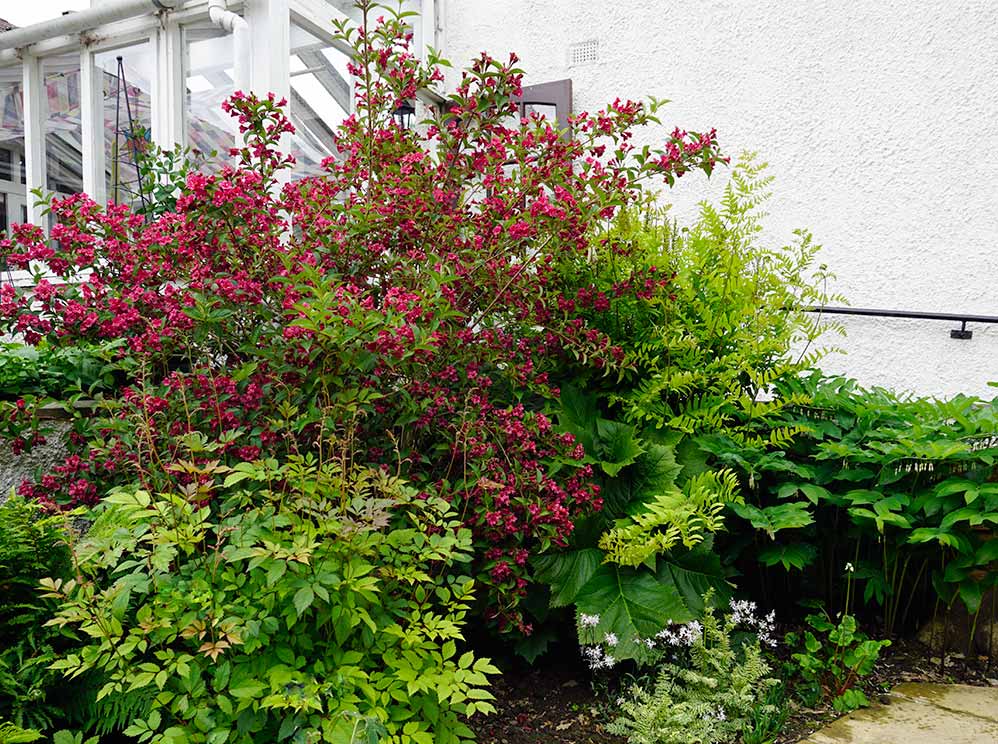
In corner,  where the gutter down spout empties, the weigela, rodgersia, Soloman’s seal, and the ferns are looking good.  The weigela is covered in flowers which the bees love.  There is a pink astilbe there and it has grown quite tall,  slightly taller than I had expected.  I planted a variegated form of Jacob’s ladder at the front along with he twhite version of ragged robin to brighten up that slightly more shady area of the corner. The weigela often needs trimmed back to keep it under control so that can be done when it has finished flowering.

plants, flowers,
Weigela corner.

The new nepeta arrived this week so they have just been planted in
the right hand border ,where it gets a bit more sun than the stumpery,
and this time some organic slug pellets were sprinkled around them just
in case.  I lost the first lot of plants so I don’t want to lose this
lot.  I do slug/snail patrols every morning and Harry does a patrol at
night to try and keep on top of the slug/snail number.  Nepeta are
another one of these plants often found in a cottage garden and they
have a very gentle habbit and pretty flowers – again bees love this.
Behind the nepeta are the circisium which are always covered in bees and
beside that are the poppies (Patty’s plum) which have huge flowers on
them.  They do need staking though and I was a bit behind with this so
they had already fallen over by the time I asked Harry to stake them so
they are looking a bit trussed up now.
In the next few days  the
weather should brighten up a bit and will hopefully be a bit warmer
too.  It is much nicer to do the weeding when it is warm than when it is
cold and drizzly.

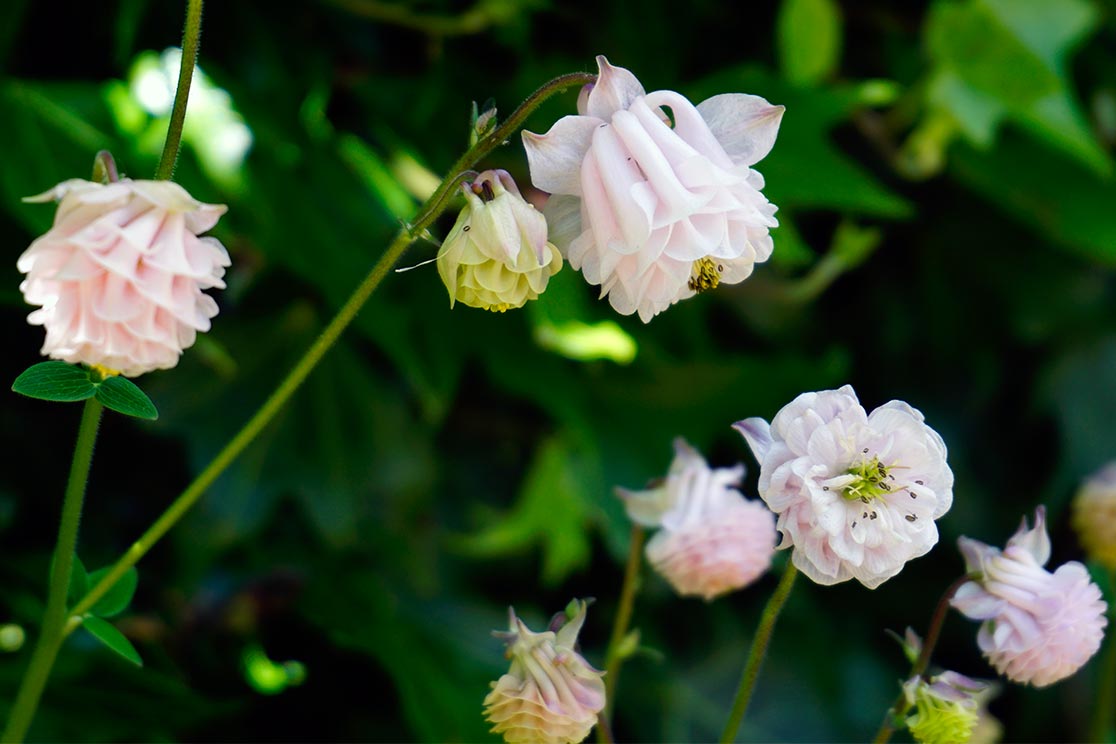
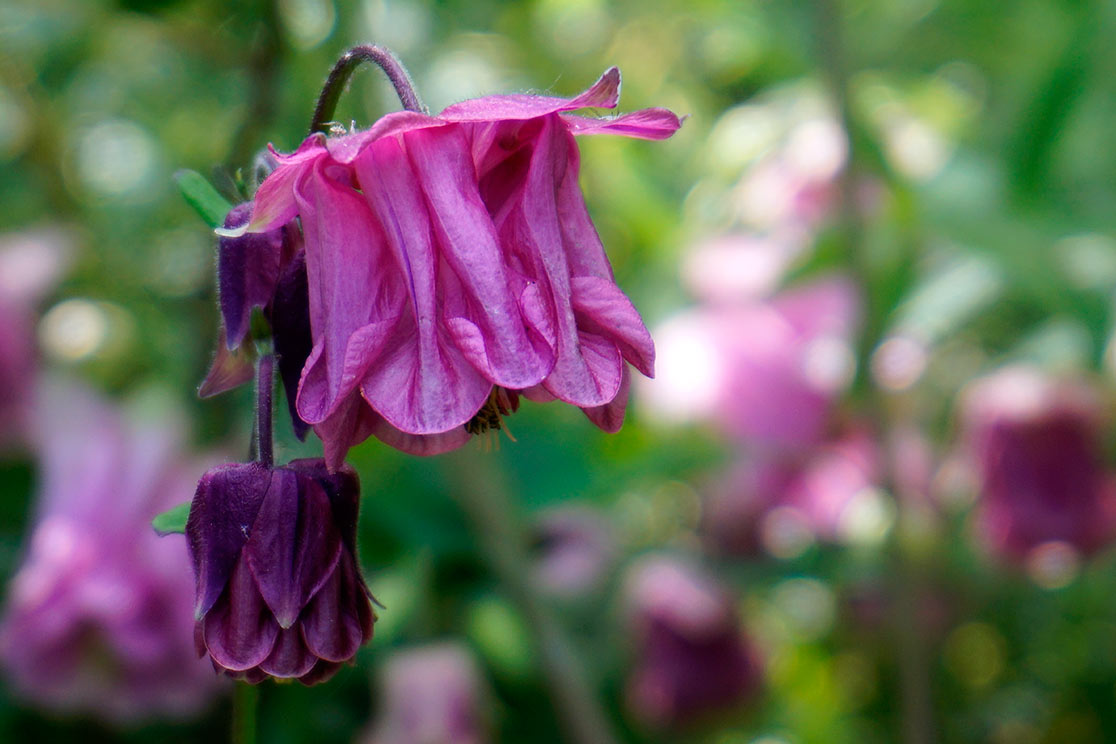
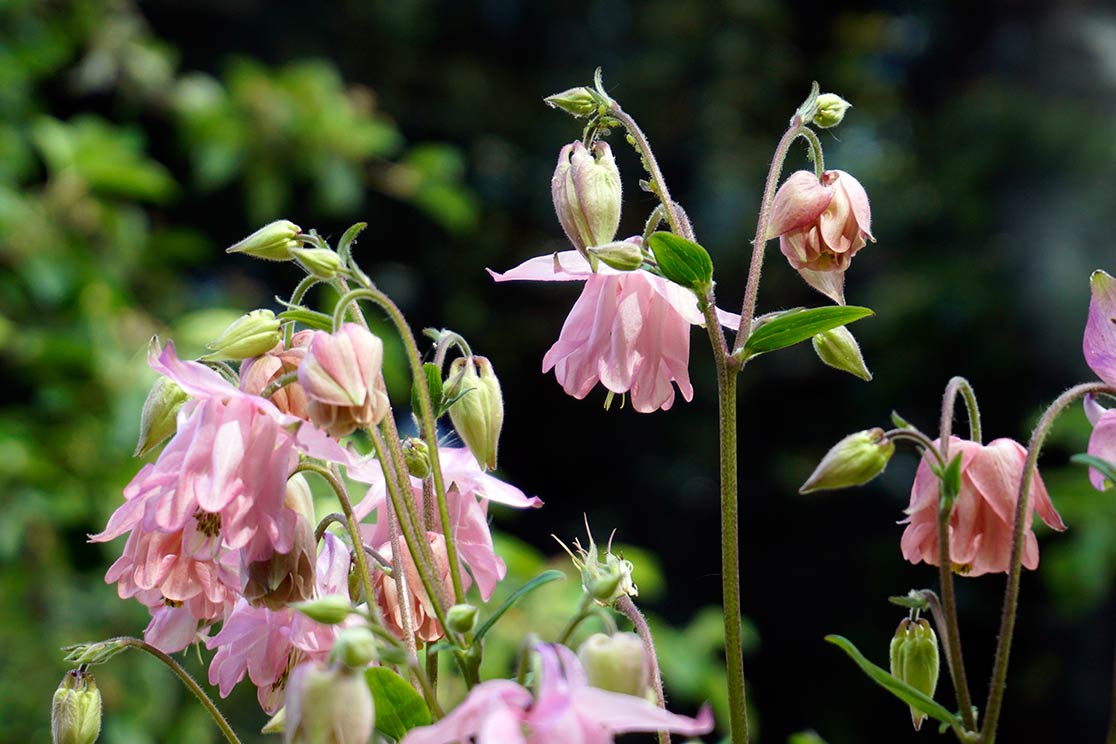
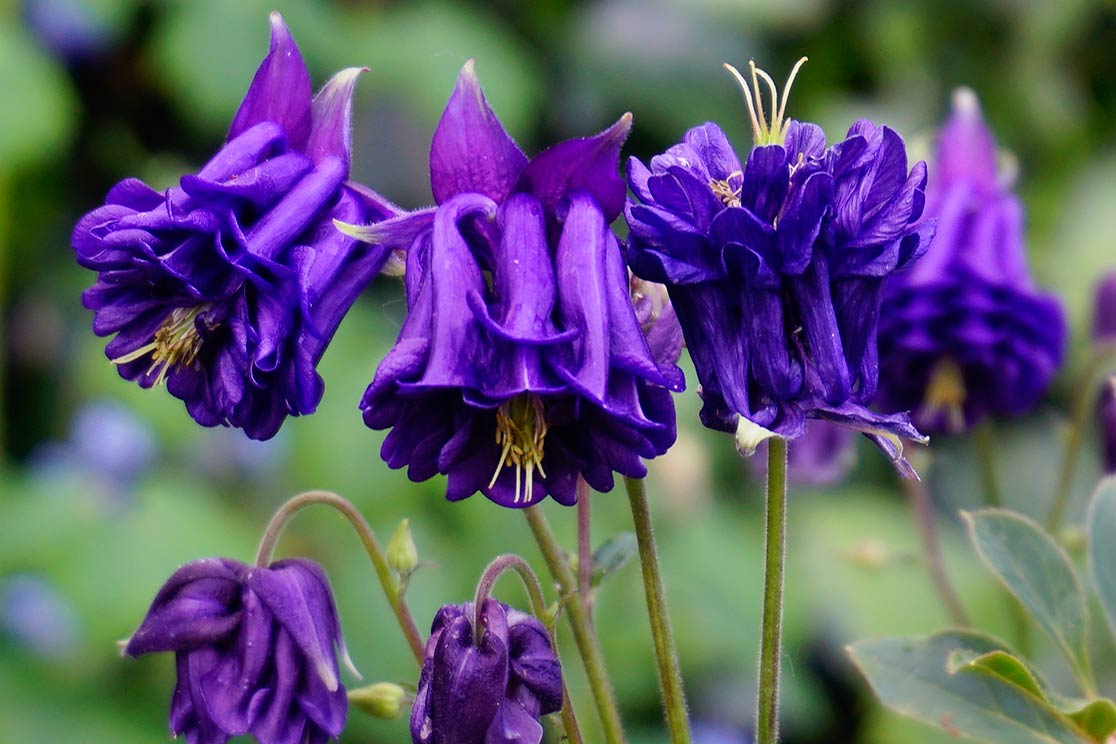
May Aquilegias

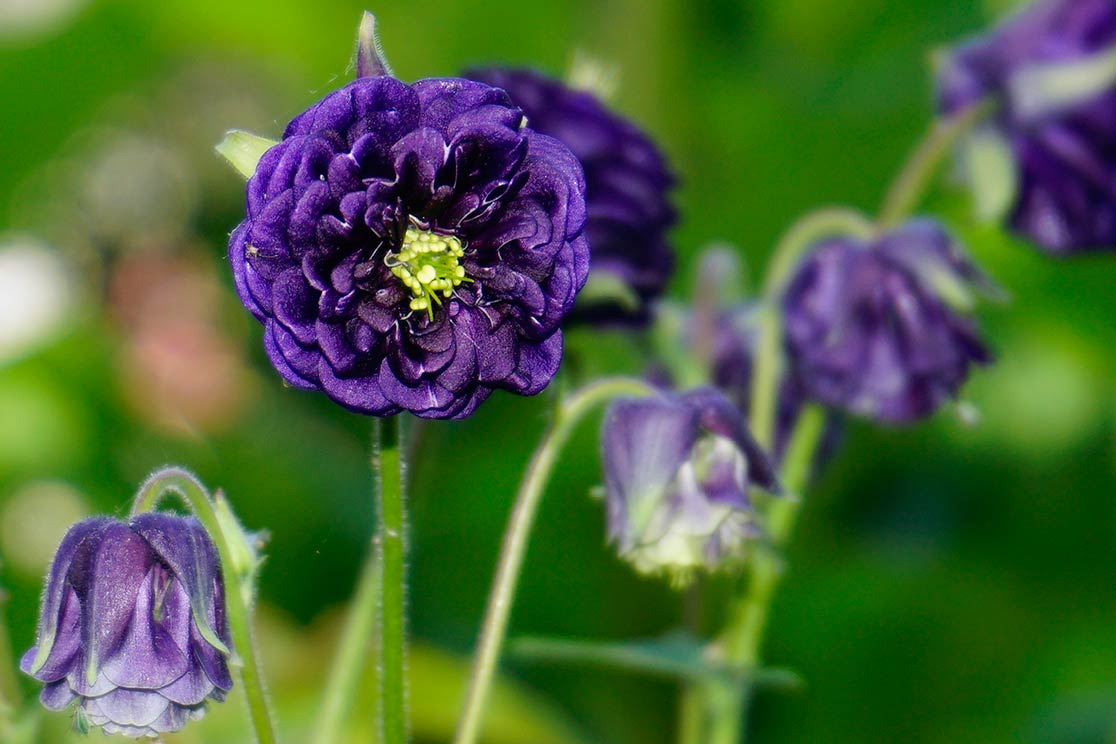
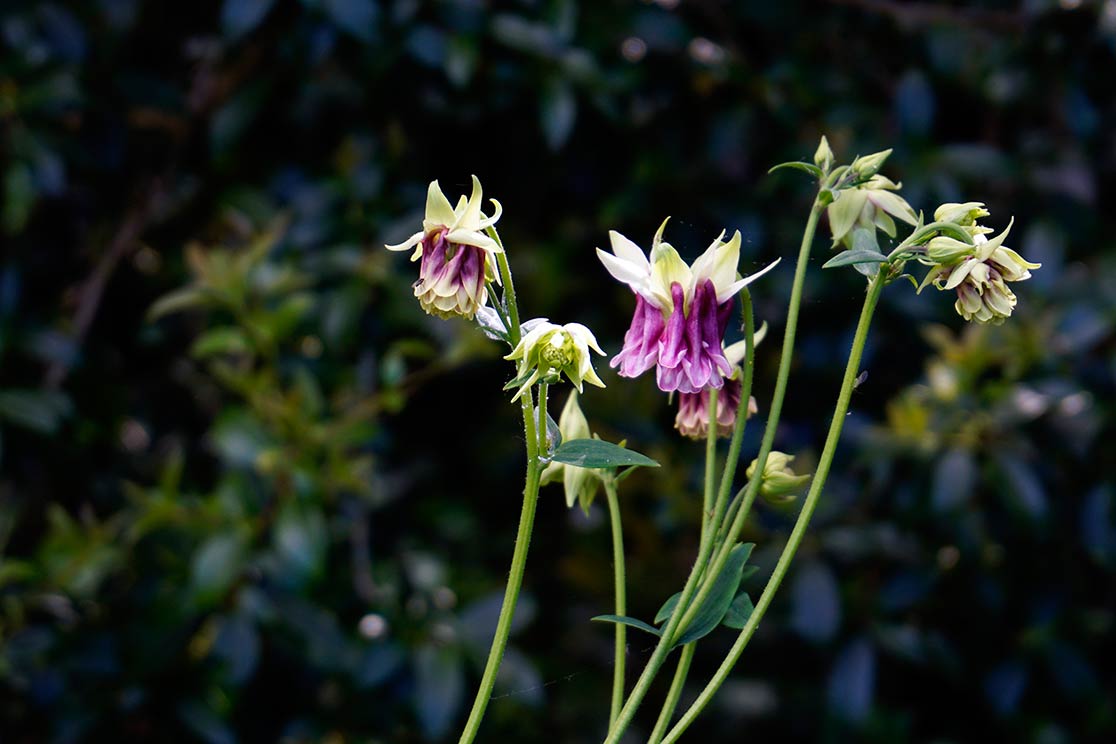
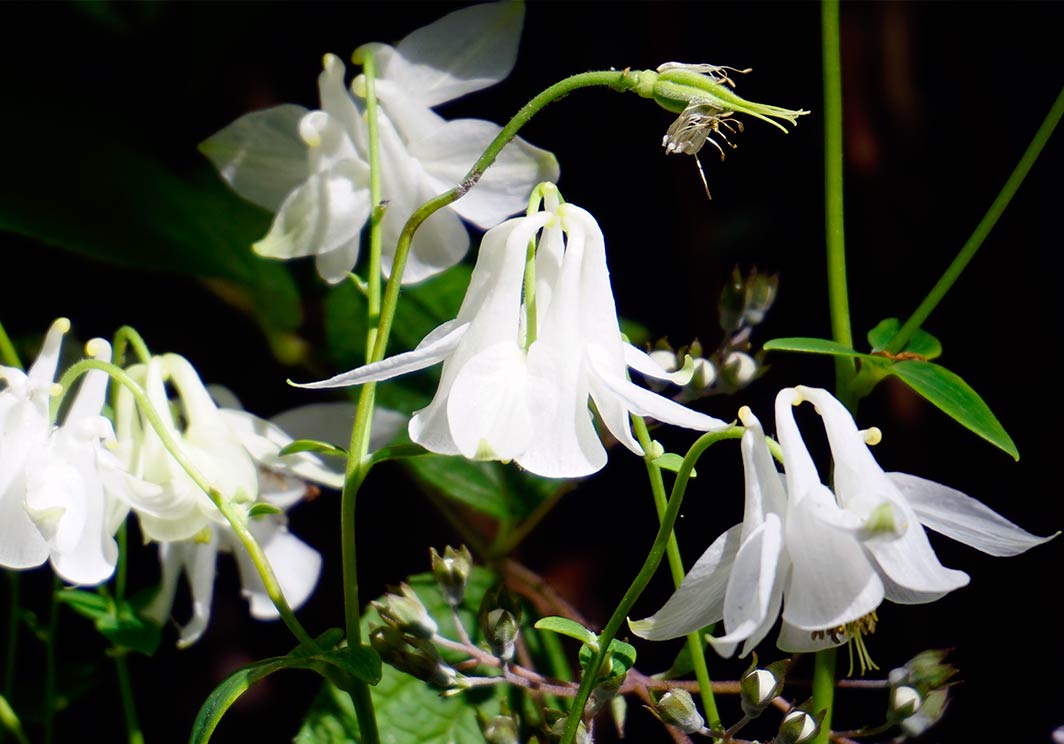
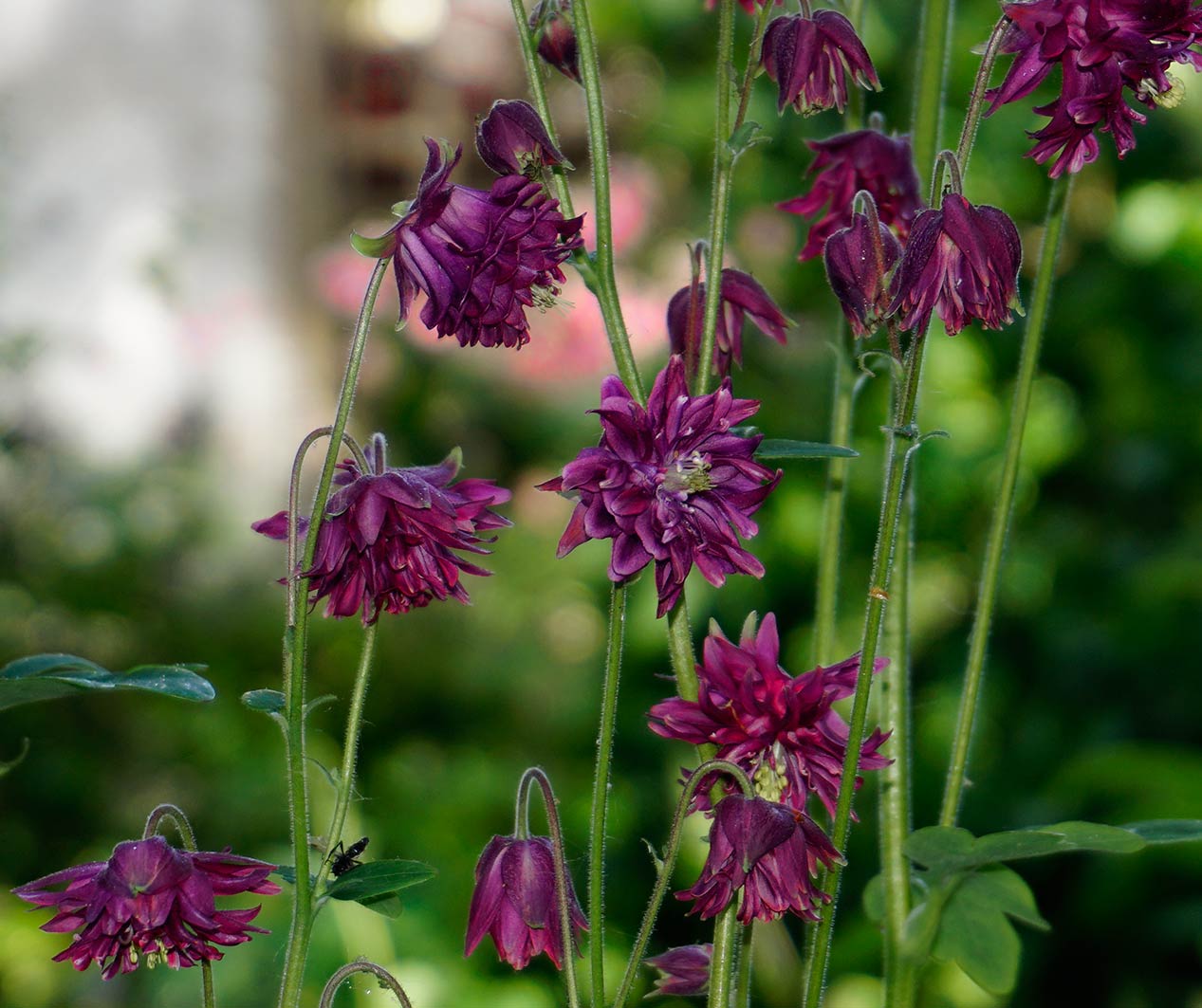
These beautiful aquilegias add a touch of the ‘cottage garden’
style to the garden.  They flower during spring and keep their foliage
for most of the summer and autumn and although they look quite delicate,
they are quite hardy.  They love the shade in the stumpery area and the
raised bed, but are equally at home in the side border too.  One pink
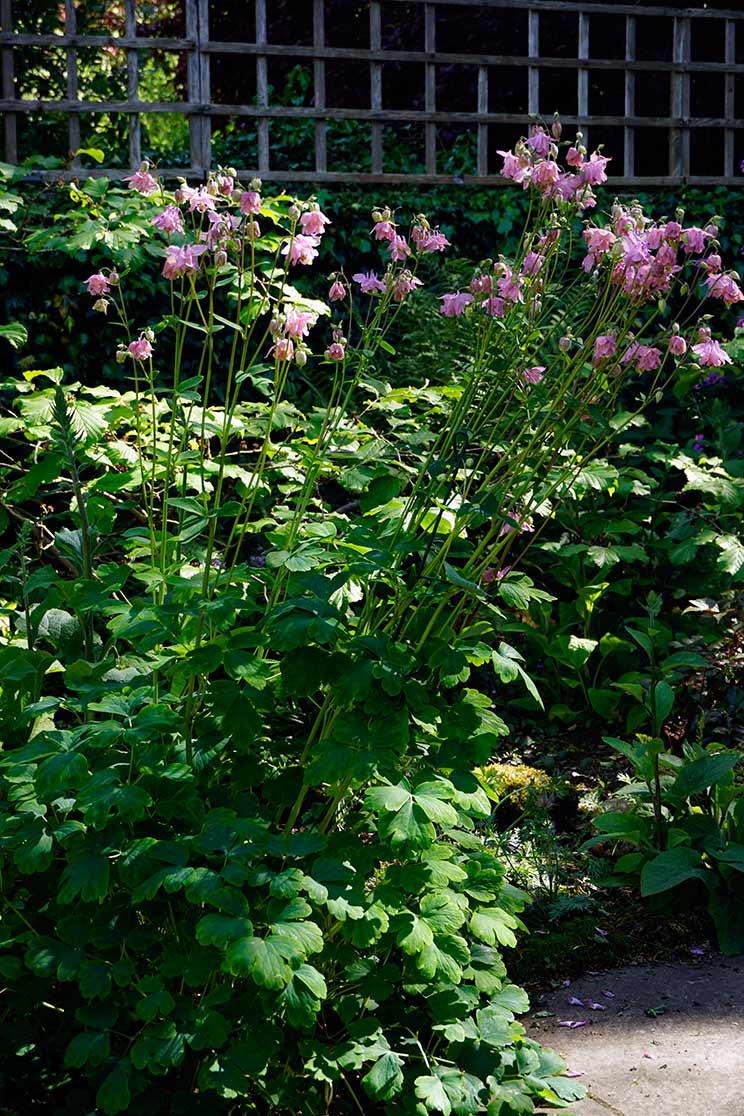
one has grown quite tall – 1m35cm which is as tall as I am (wheelchair
user).  I love the way that, as the flower matures, it raises it’s head until the seed heads point upwards like little jester hats.
I don’t remember all their names and they have
been quite promiscuous so who knows what will come up next year.  I did
have to take quite a few out as they had seeded in the wrong place, but
they have been potted up ready to be sold whenever the Duddingston Kirk
Garden Club starts up again after lockdown.

plants, flowers, aquilegia,
Baby pink aquilegia
plants, flowers, aquilegia,
Deep pink aquilegia
plants, flowers, aquilagia,
Pink aquilegia
plants, flowers. aquilegia,
Purple aquilegia
plants, flowers, aquilegia,
Purple  aquilegia face on
plants, flowers, aquilegia,
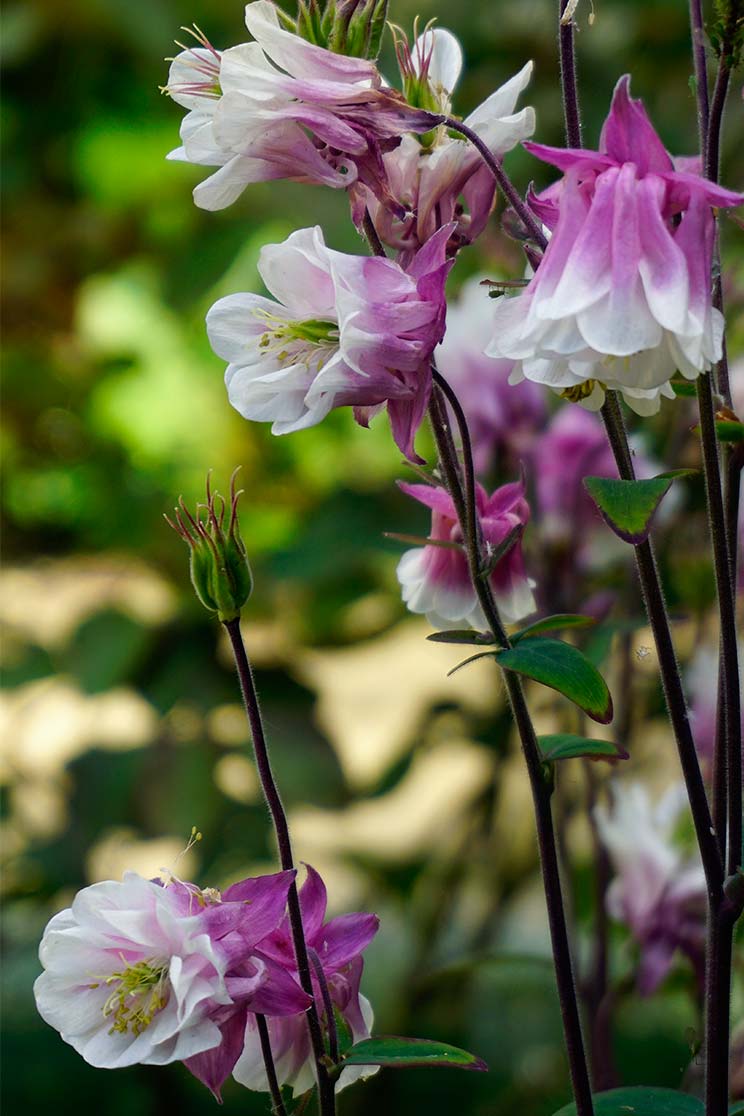
Purple and white aquilegia
plants, flowers, aquilegia,
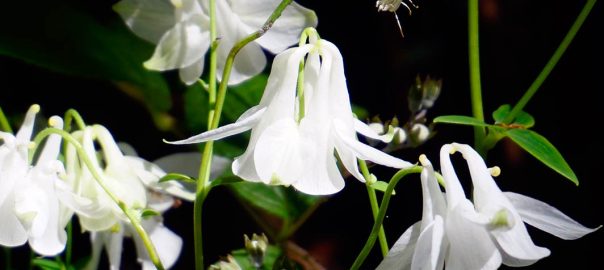
White aquilegia
plants, flowers, aquilegia,
Ruby aquilegia
plants, flowers, aquilegia,
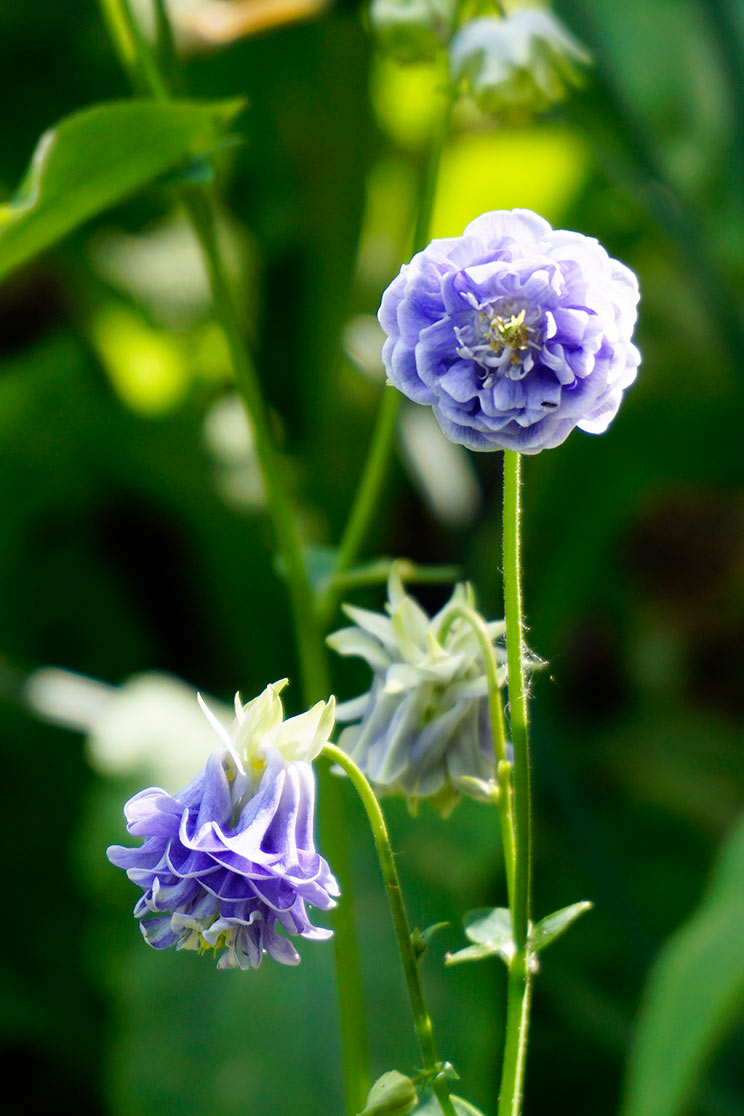
Pale blue aquilegia
plants, flowers aquilegia,
Pink and white aquilegia
plants, flowers, aquilegia,
Tall pink aquilegia

Sunniest April on record!

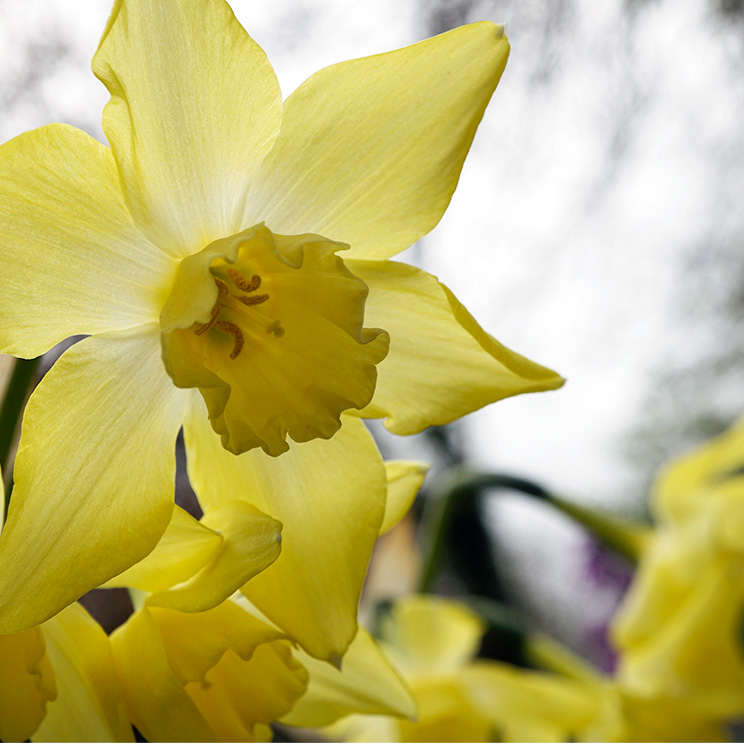
My goodness what a change from the extremely wet winter.  I have been out with the hose a few times to keep some of the recently planted shrubs and small plants hydrated.  The later of the narcissi have now flowered, most of them beat the slugs, but a few have been nibbled before they flowered, some flowers nibbled while in full flower, and a couple chewed down to about 2 inches high!
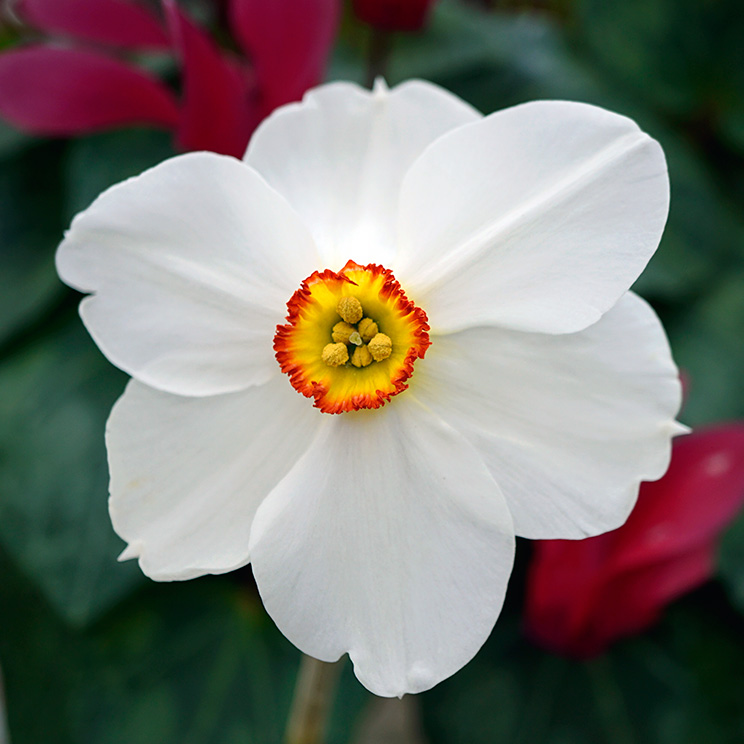
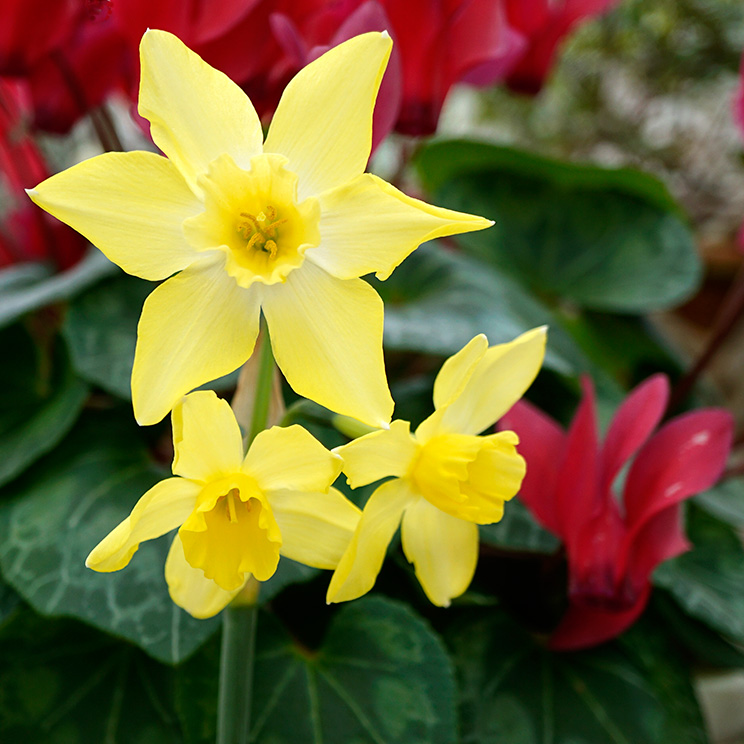
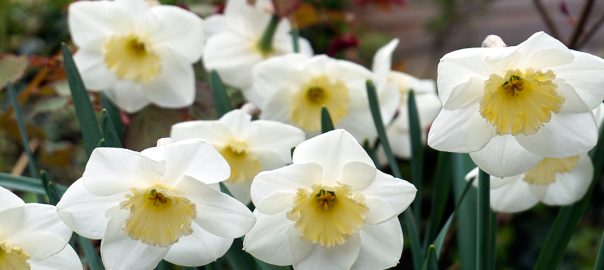
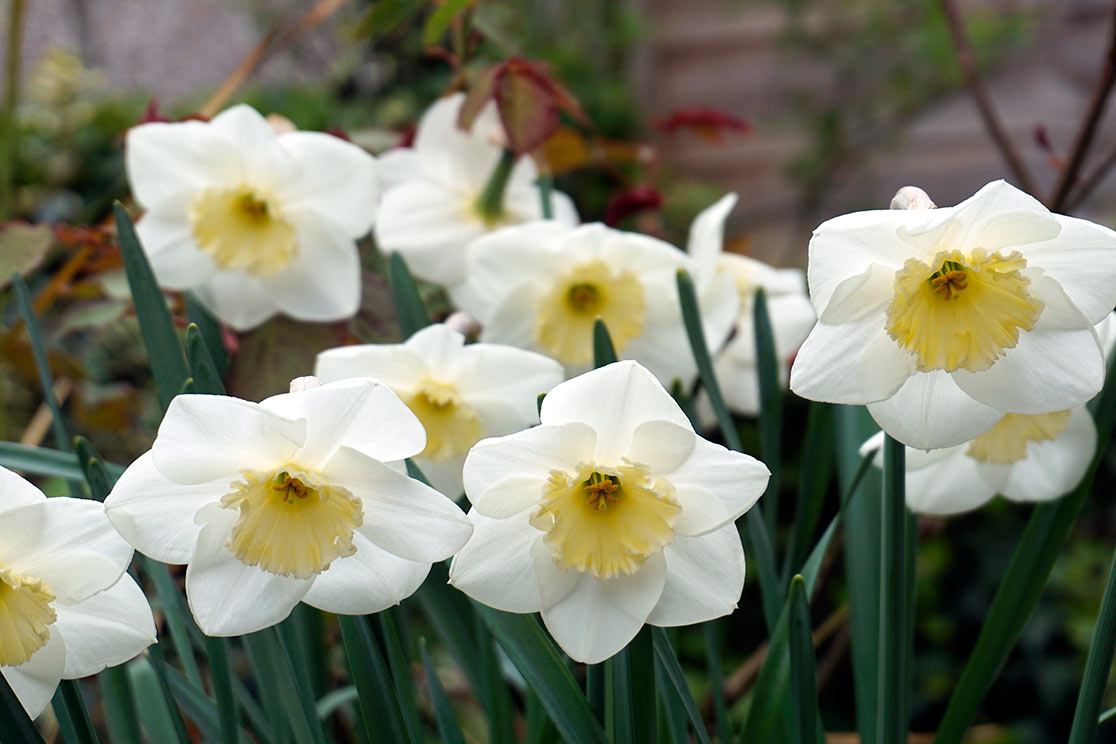
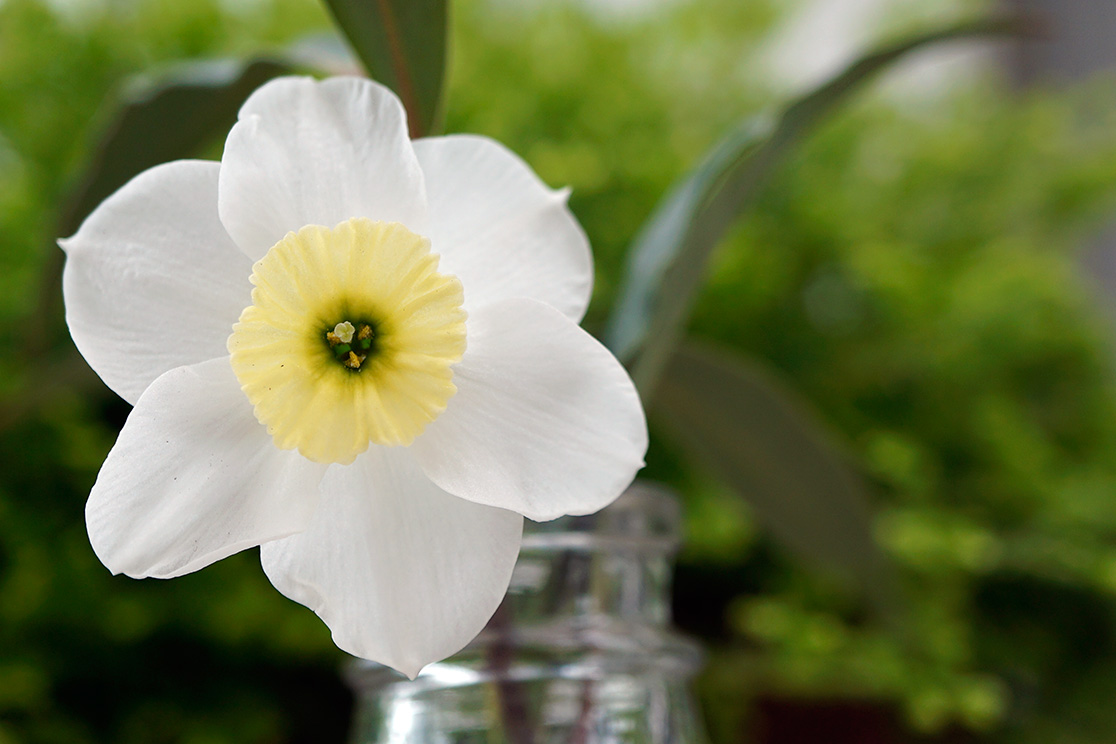
The Actea is a very tall slender narcissi with a subtle scent.  The Pipit is a small petite variety which also have a nice scent.  The centre and cup of Pipit fades to a pale creamy yellow.

plants, flowers,
Narcissus ‘Actaea’  poeticus
plants, flowers,
Narcissus jonquil ‘Pipit’

The rhododendron looks fine after it’s move at the end of last year.  The pieris which was leaning over to the right and was very top heavy has now been chopped quite far down.  There was already new growth from the trunk further down, so after a good feed and water I am hoping it will bush out from the base.

plants,
leaning Pieris japonica ‘Forest flame’
plants,
chopped Pieris japonica ‘Forest flame’

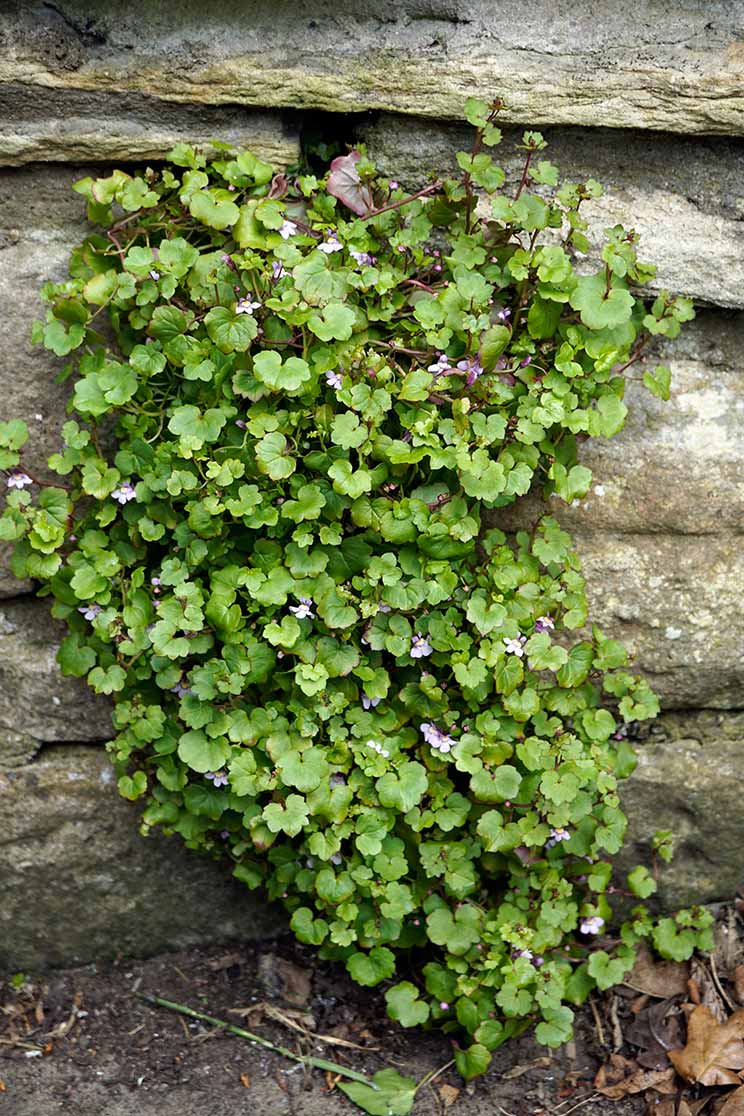
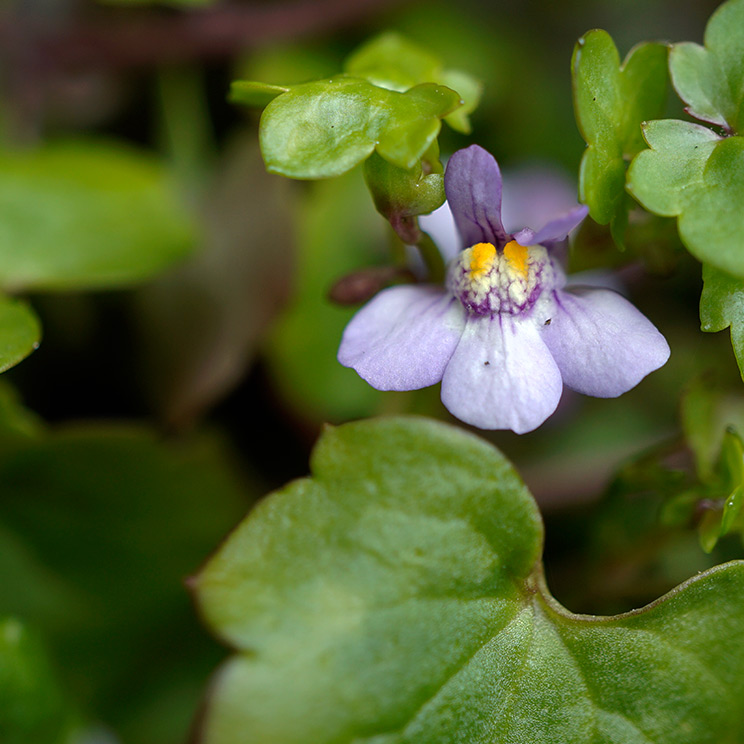
The ivy-leaved toadflax is looking good just now and although some other plants are gradually coming into flower, most of the narcissi are over, so too are the corydalis, and some primroses.  I am waiting rather impatiently to see if the nepeta and coreopsis have made it through the winter, as I don’t see any signs of growth yet.

plants, flowers,
Cymbalaria muralis (ivy-leaved toadflax)
plants, flowers,
Cymbalaria muralis (ivy-leaved toadflax)

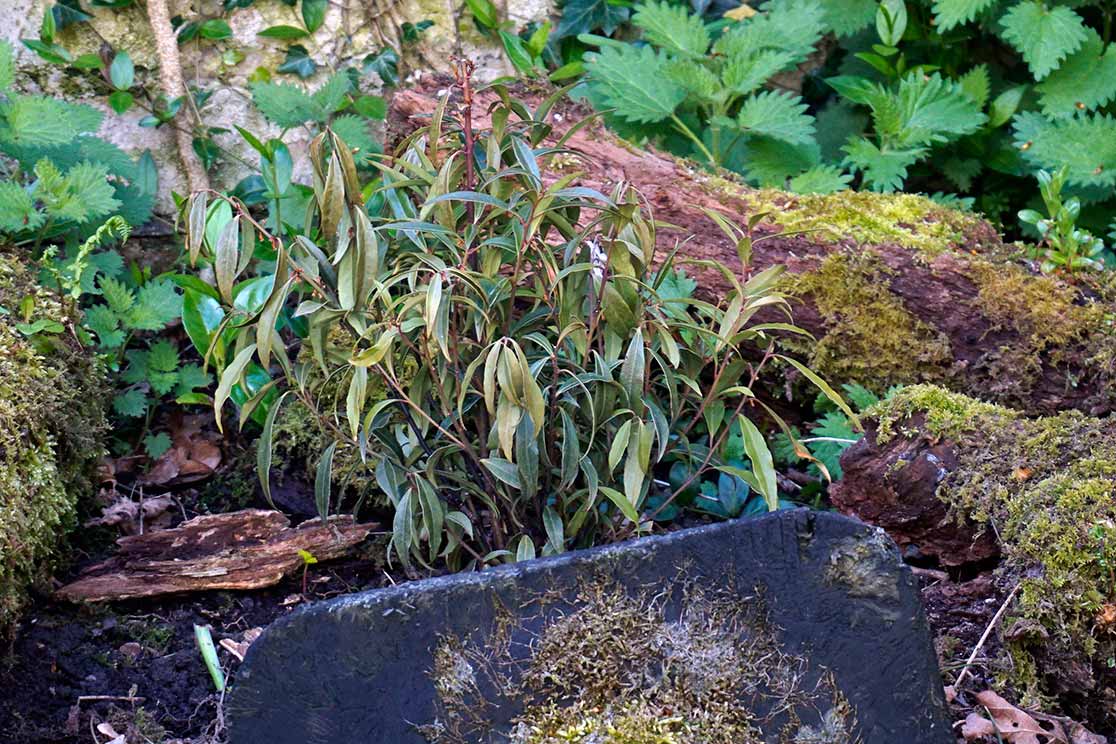
And now for the mistake: I had originally thought of putting the sarcoccoca (winter flowering with fabulous scent) at the back of the garden where it would get quite a lot of shade, but a bit of sun in the morning.  I then changed my mind and thought it would be nice to have the scent drift up onto the patio area and so I asked Harry to plant it just in front of the patio.  WHY DID I DO THAT??  It gets much more sun there, and every day I checked on it, and it just looked sadder, and sadder.  It finally dawned on me that it didn’t like that much sun, so it is now in the shadier stumpery area of the garden.  So far a few of the branches look like they are perking up, so hopefully it will survive.

plants,
 very sad looking Sarcococca hookerian var. digyna ‘Purple stem’

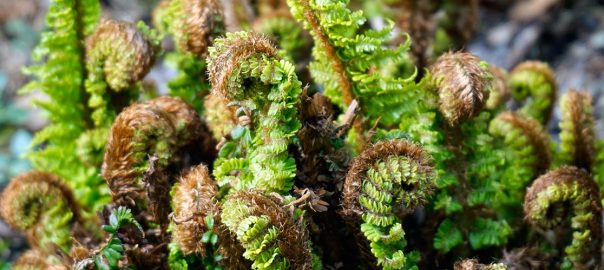
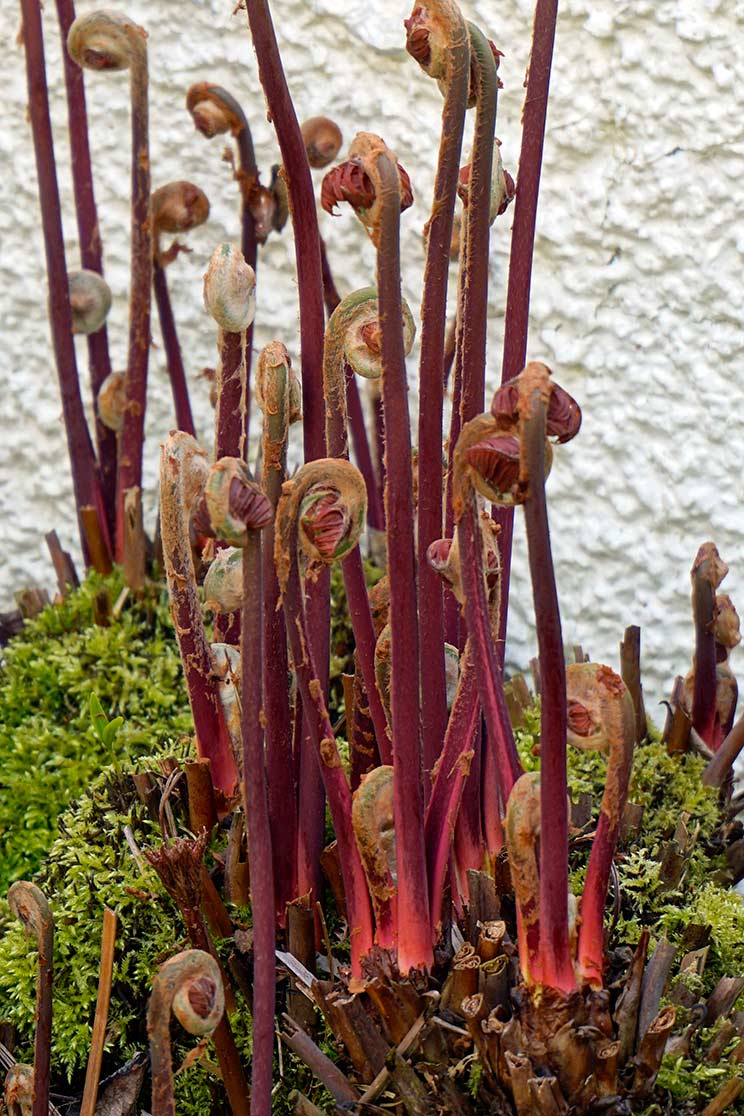
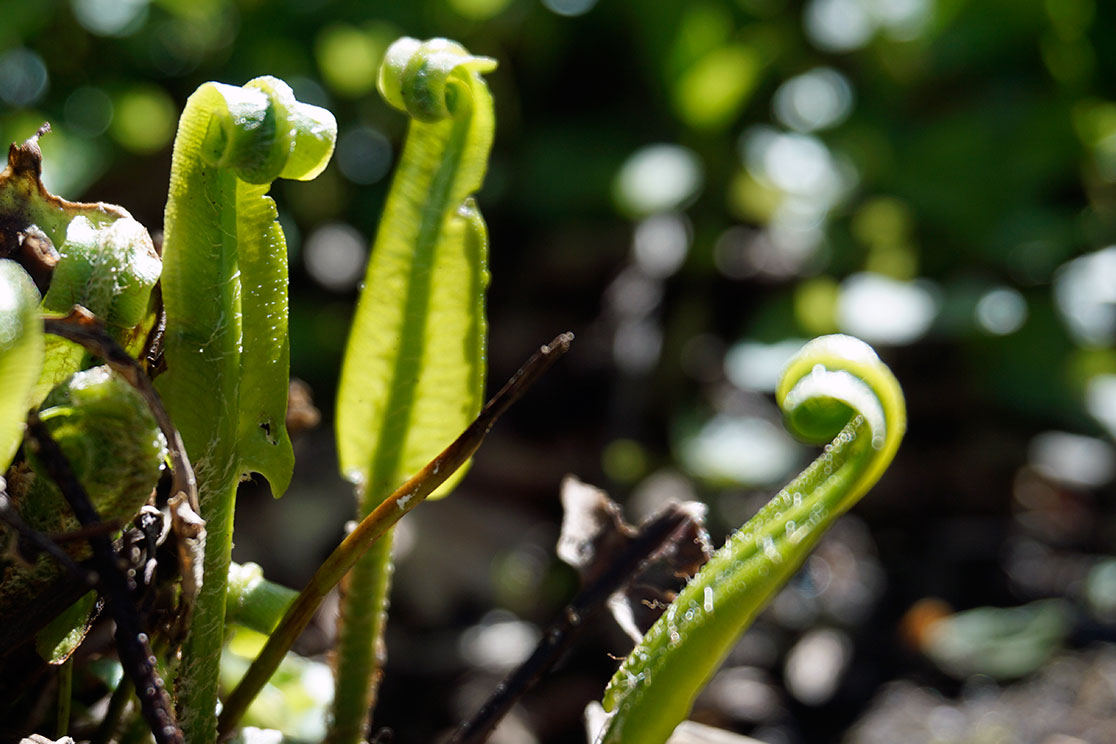
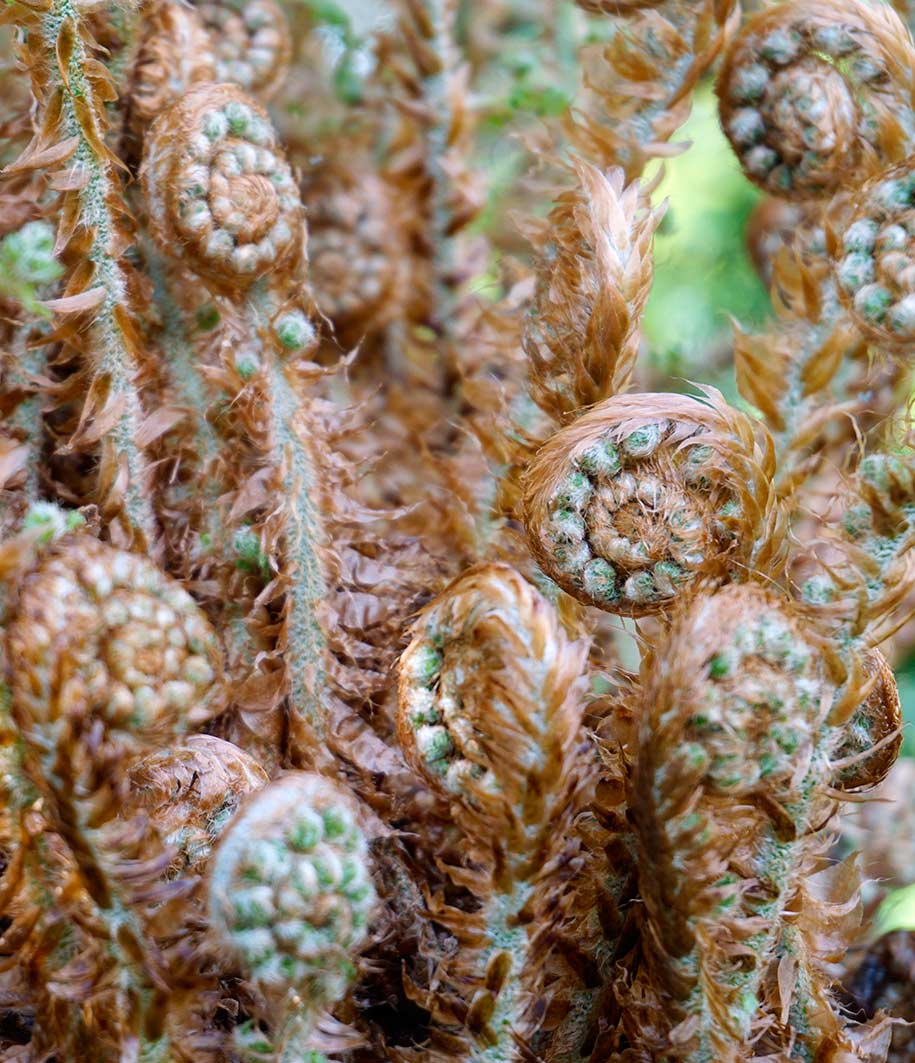
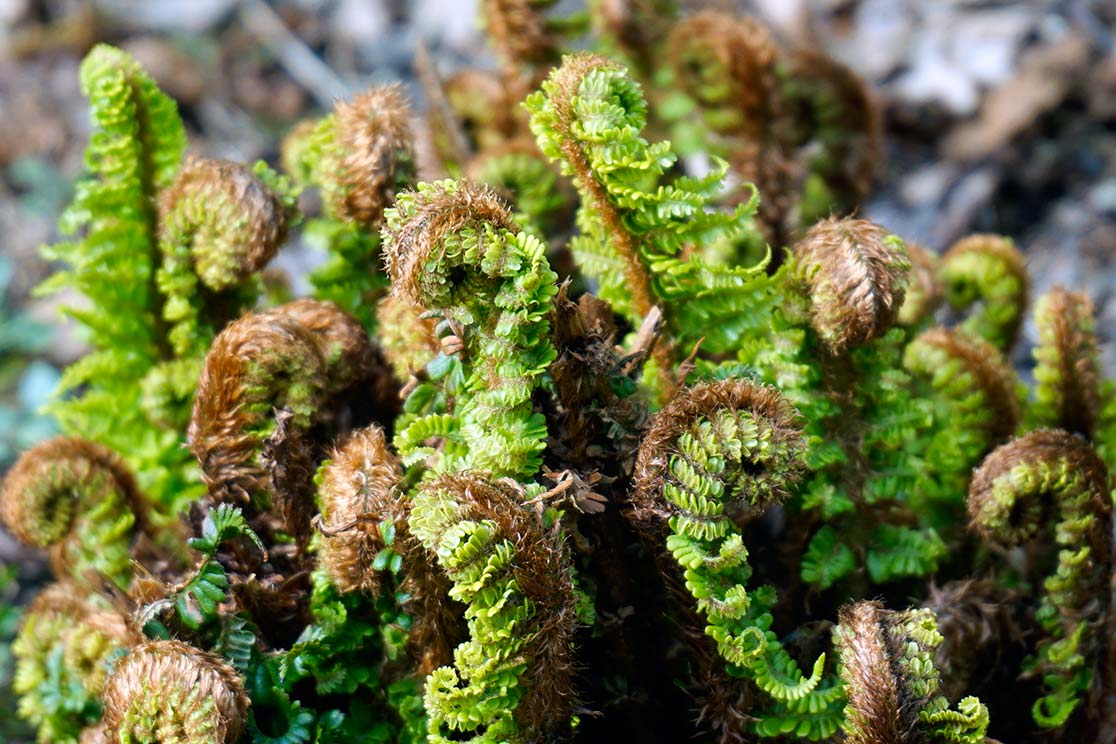
Now is the time of year for the ferns to start uncurling their croziers, and each fern unfurls differently.  Oh how I wish I could remember all my ferns names!  I will attempt the names of these ones.
Now I am just waiting for some rain, it might just be a shower, in which case I may have to get the hose out tomorrow.

plants, ferns,
Osmunda regalis ‘Purpuraascens’
plants, ferns,
Asplenium of some sort
plants, ferns,
Polystichum ?
plants, ferns,
Dryopteris crispa congesta

Spring flowers in a chilly Edinburgh garden.

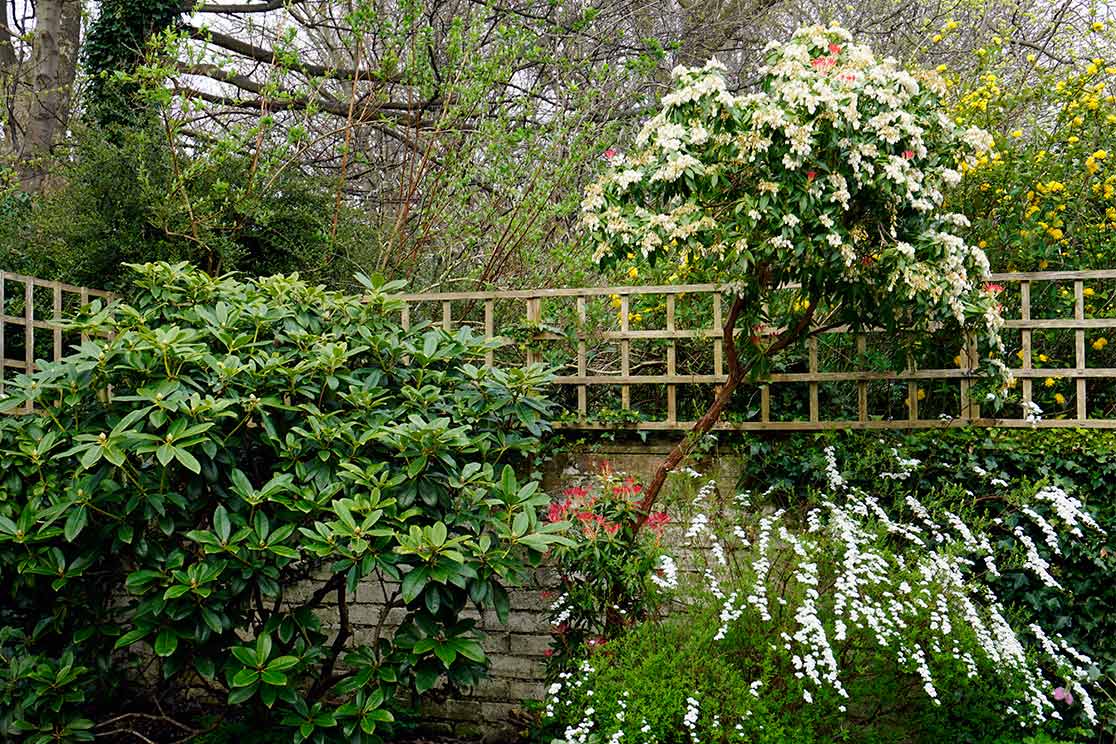
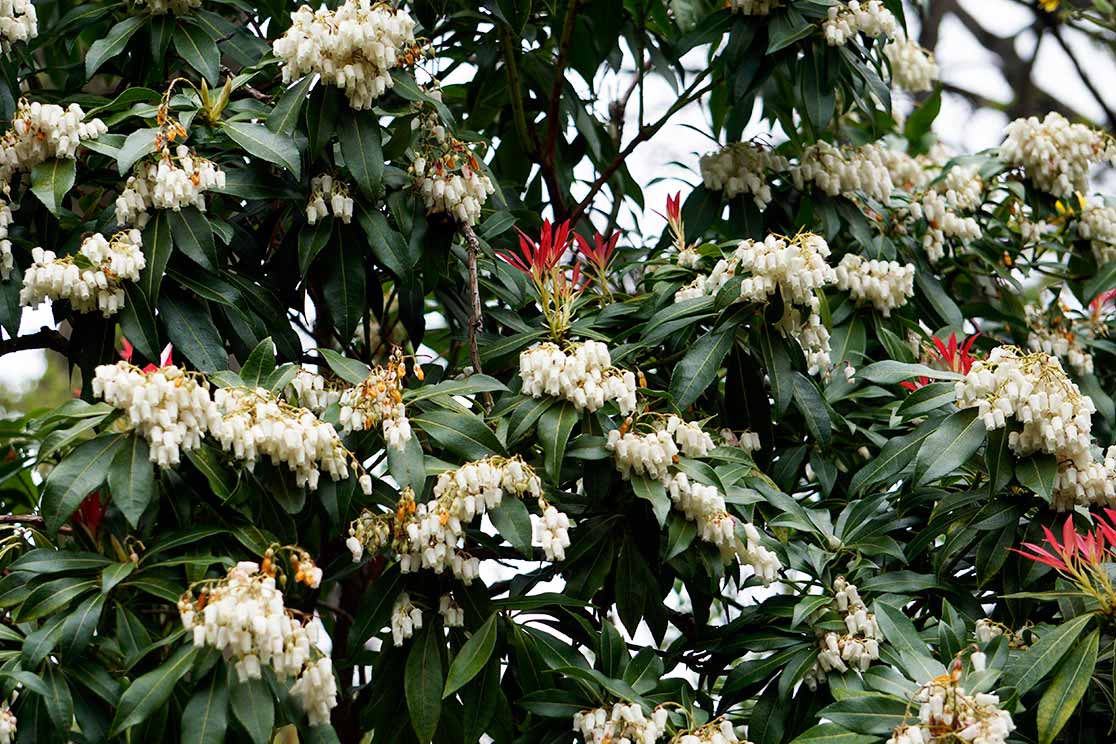
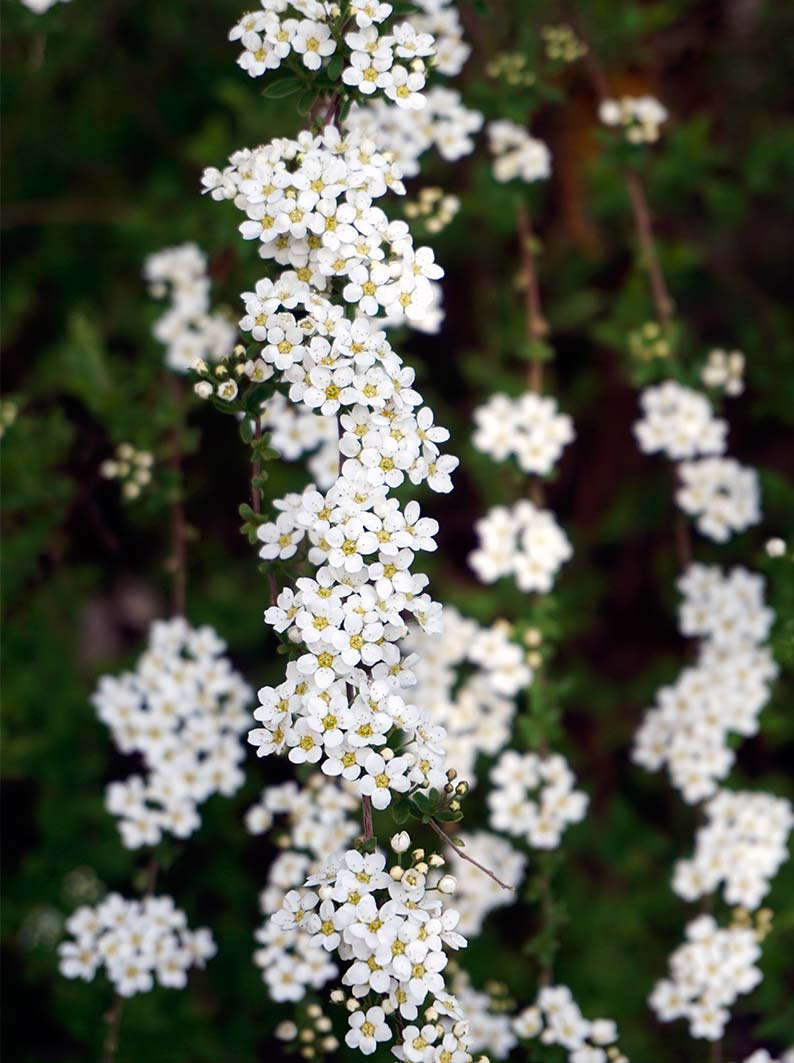
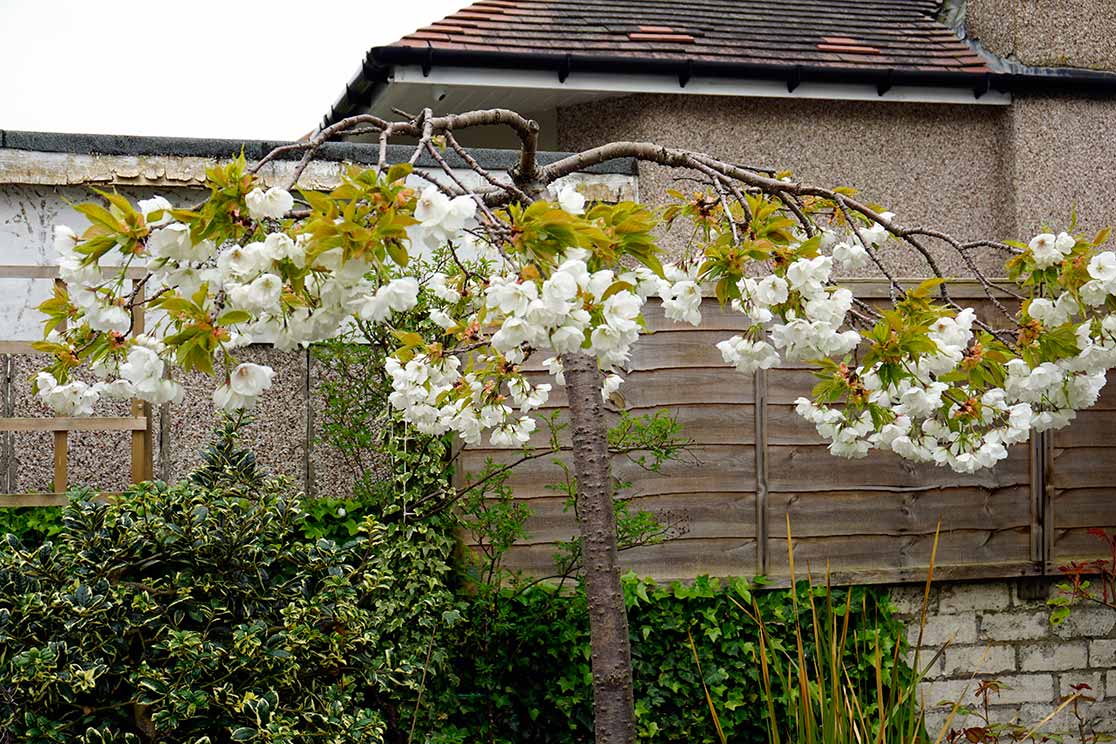
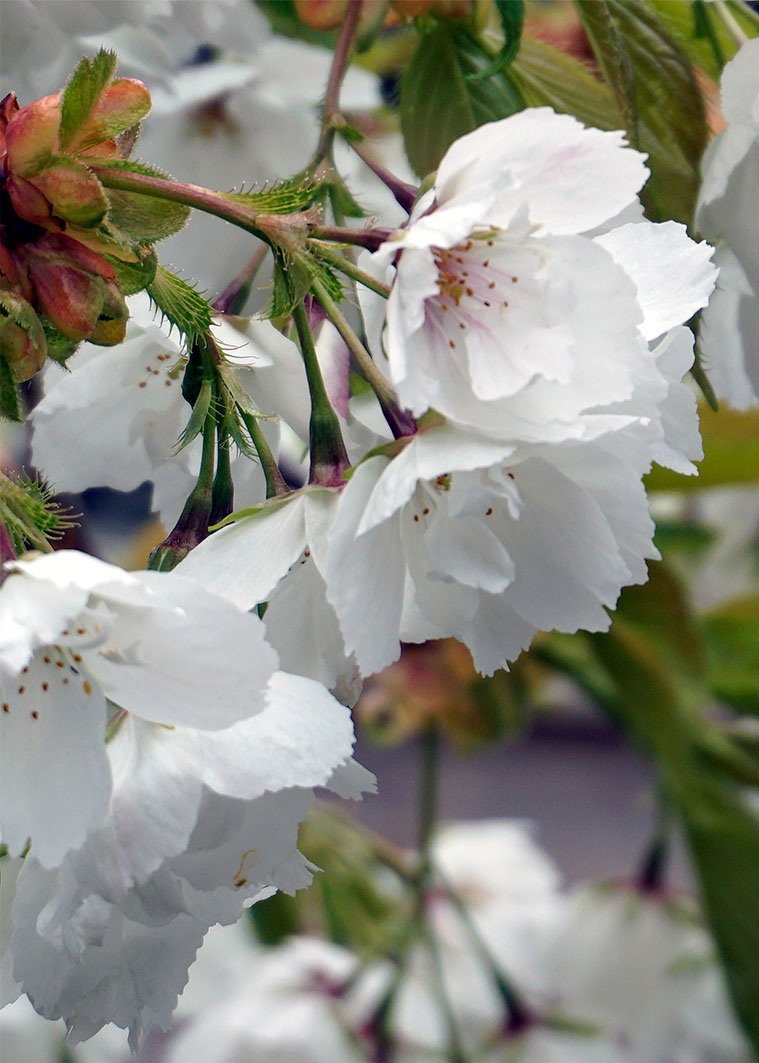
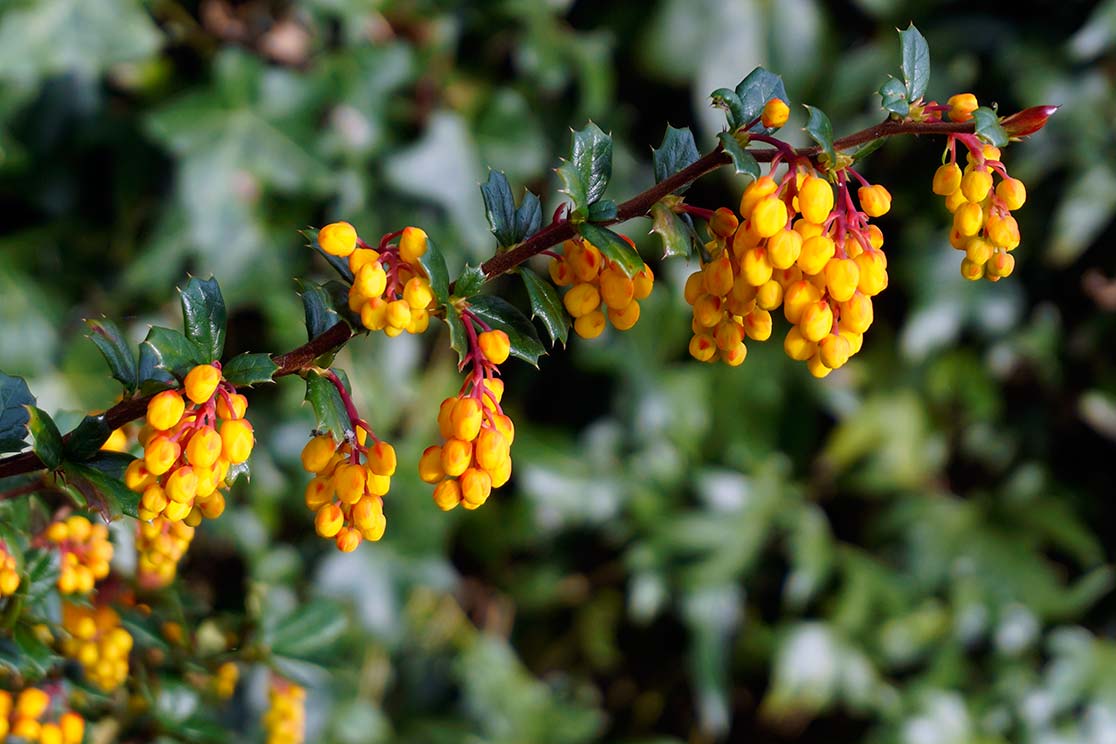
There are a few plants just gone over, and many plants almost in flower, but right at this minute there are plenty of spring plants that give lots of welcome colour.  In my back garden few of the shrubs that are in flower now are  the Spirea  Arguta ‘Bridal wreath’, Pieris japonica ‘Forest flame’, Prunus Shiroto ‘Mount Fugi’, Osmanthus burkwoodii, Viburnum x Bodnantense Dawn, Corylus avellana contorta catkins, and Berberis darwinii
or x lologensis apricot queen
.  In the front garden is the Mahonia Wagneri pinnacle.  I won’t photograph them all but here a few:

plants, flowers,
Pieris japonica Forest flame
plants, foliage,
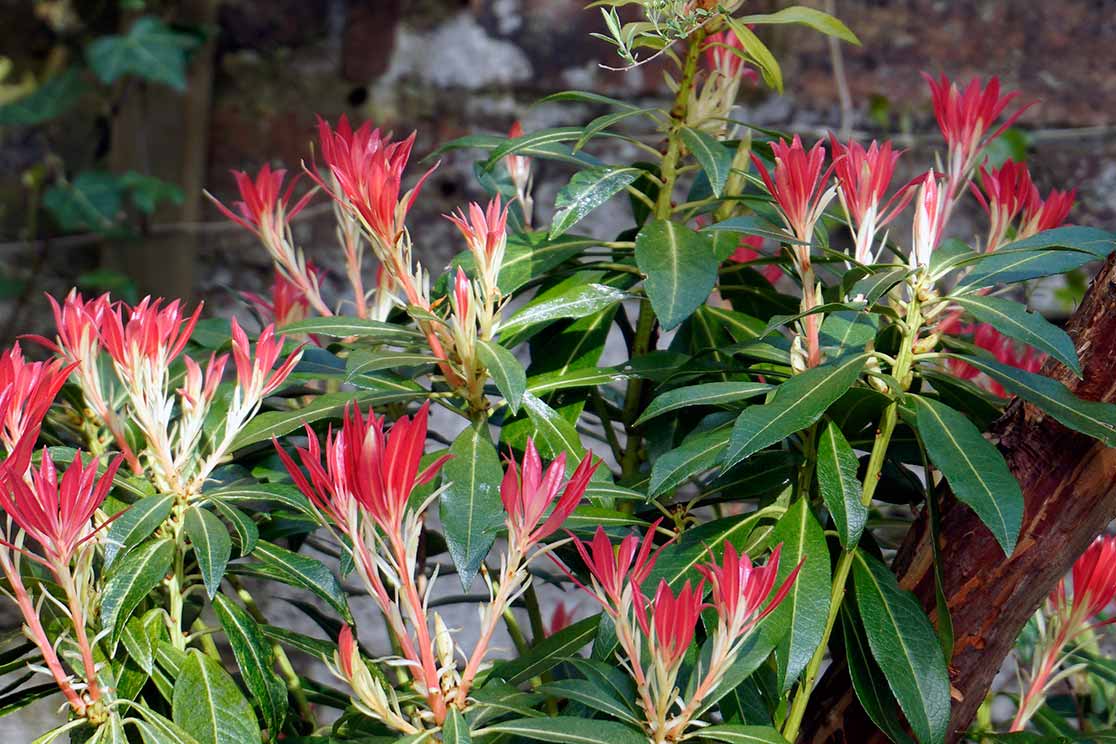
Pieris with fresh leaves
plants, flowers,
Spirea Arguta Bridal wreath
plants, flowers,
Prunus Shiroto Mount Fugi
plants, flowers,
Prunus Shiroto Mount Fugi close up
plants, flowers,
Berberis Darwinii or x lologensis apricot queen

The Pieris will have to be lopped off  once it has flowered I am afraid, because it is leaning all the way over to the right as it is very top heavy.  The good news is that around the base is lots of new growth so it won’t be long before it gains height.
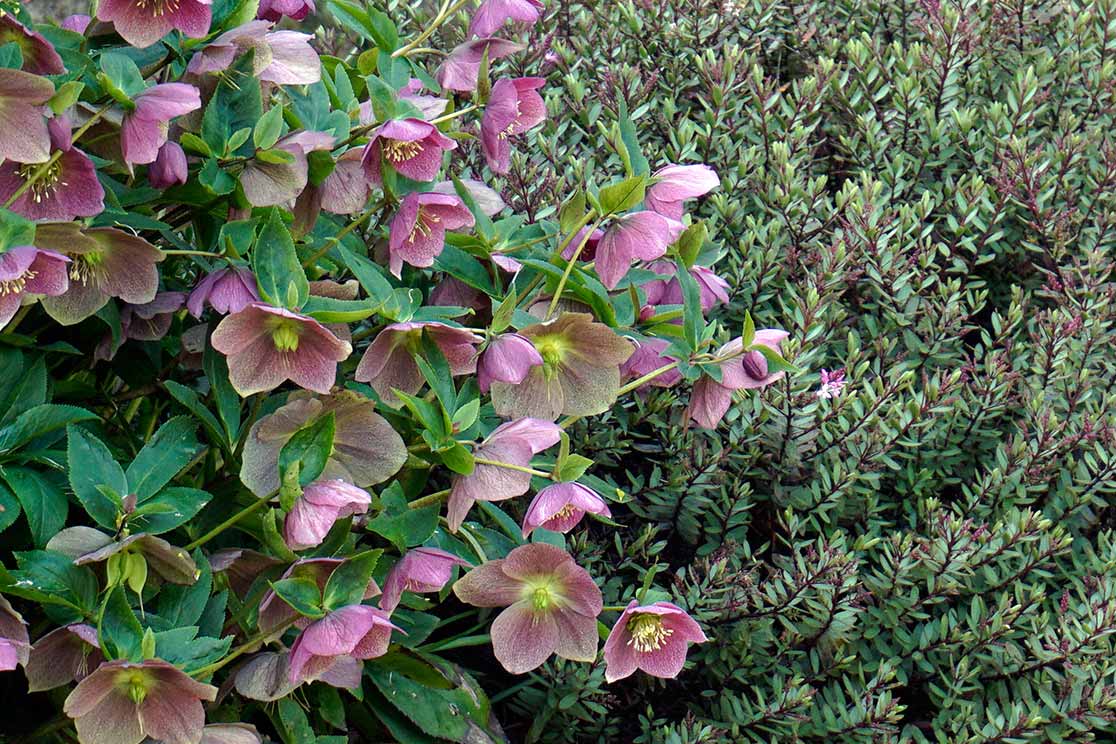
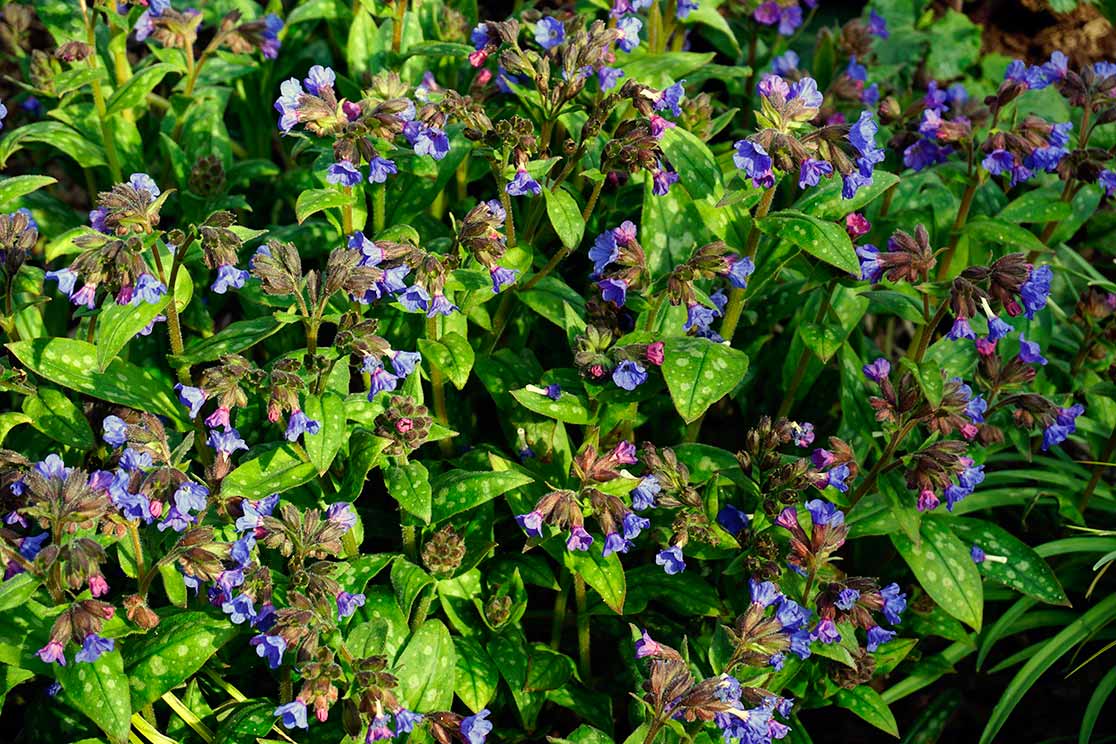
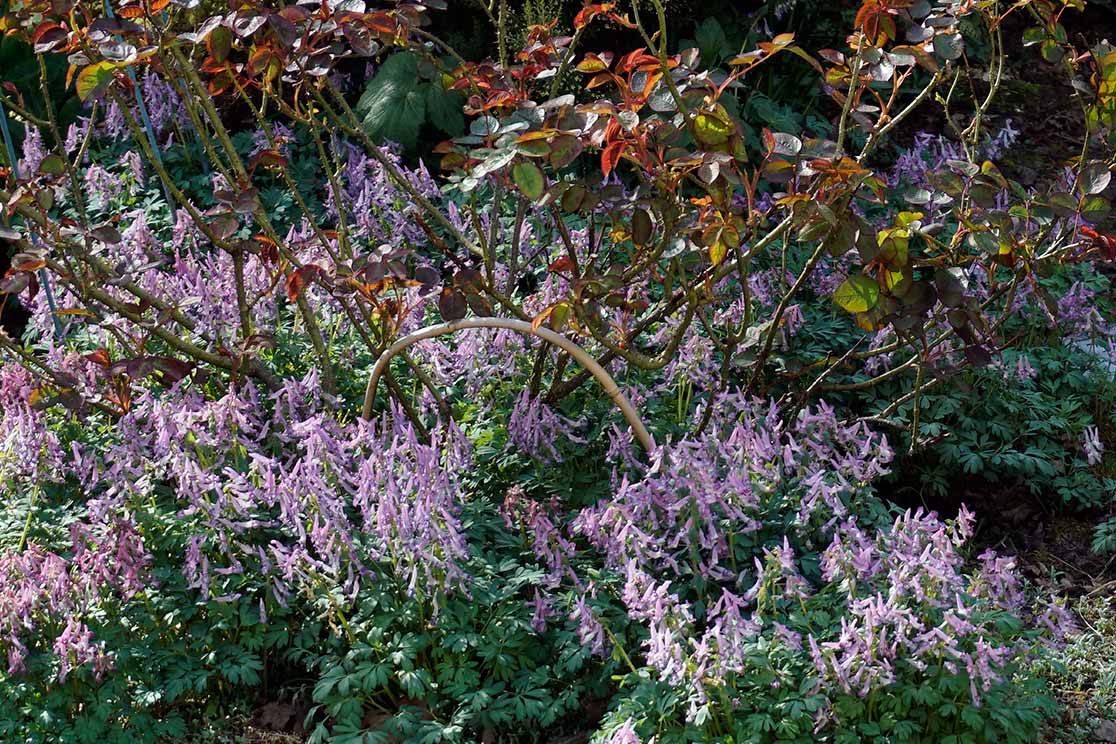
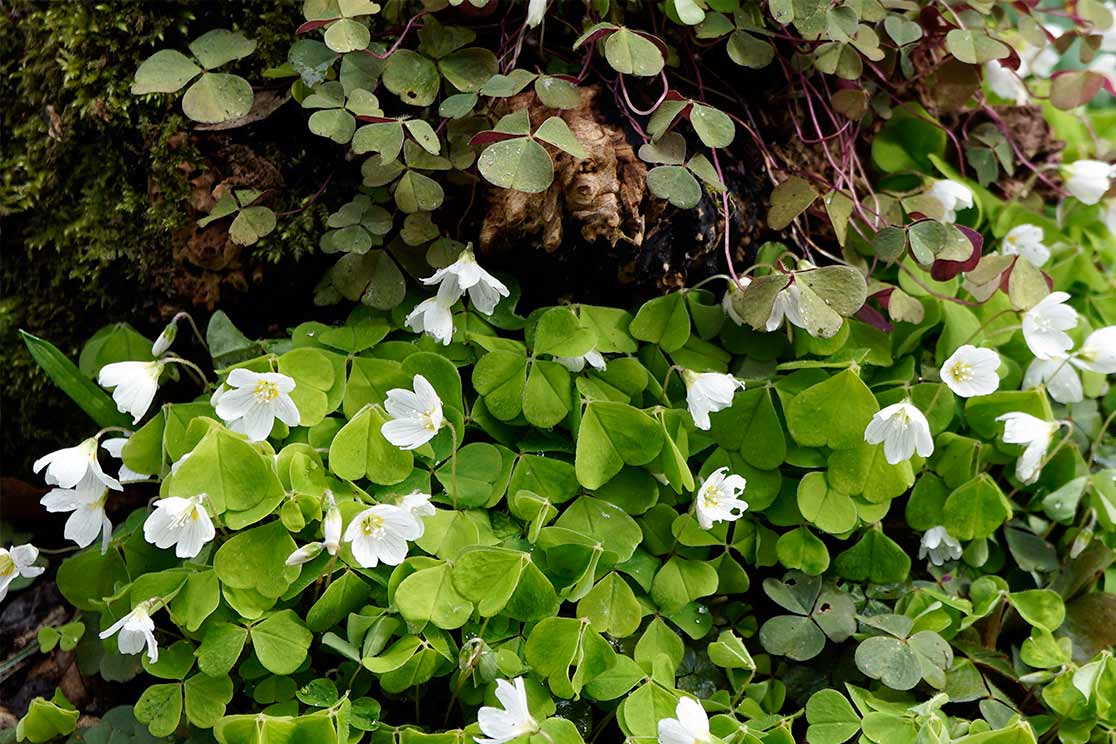
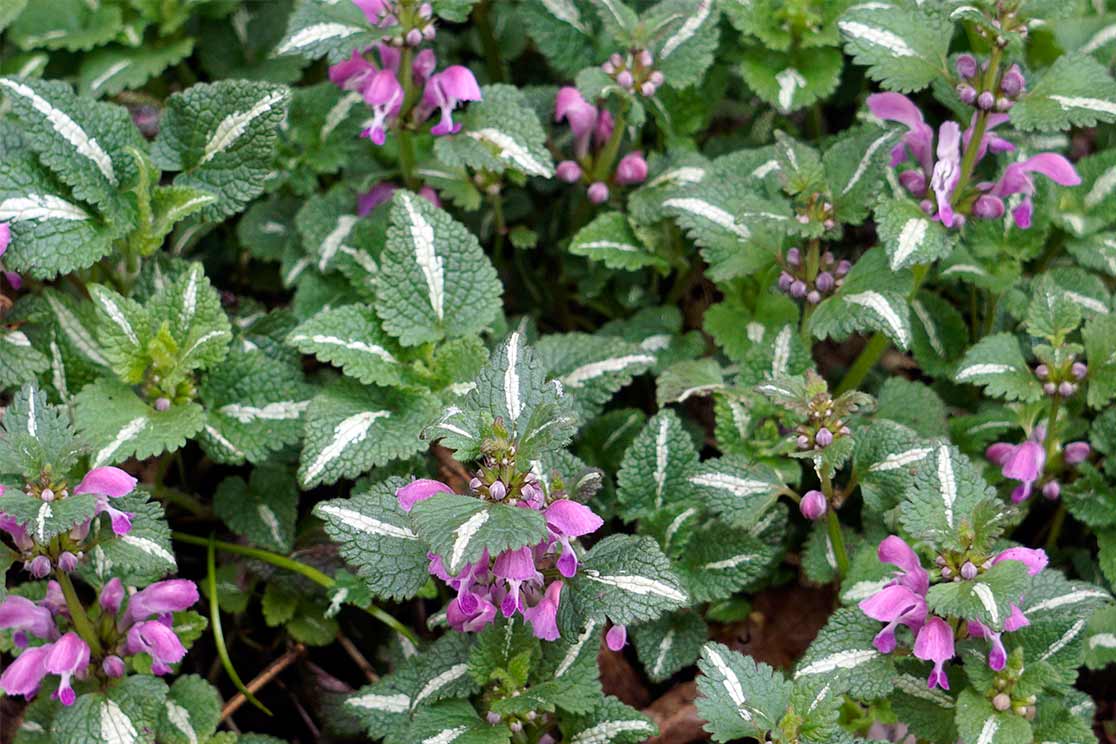
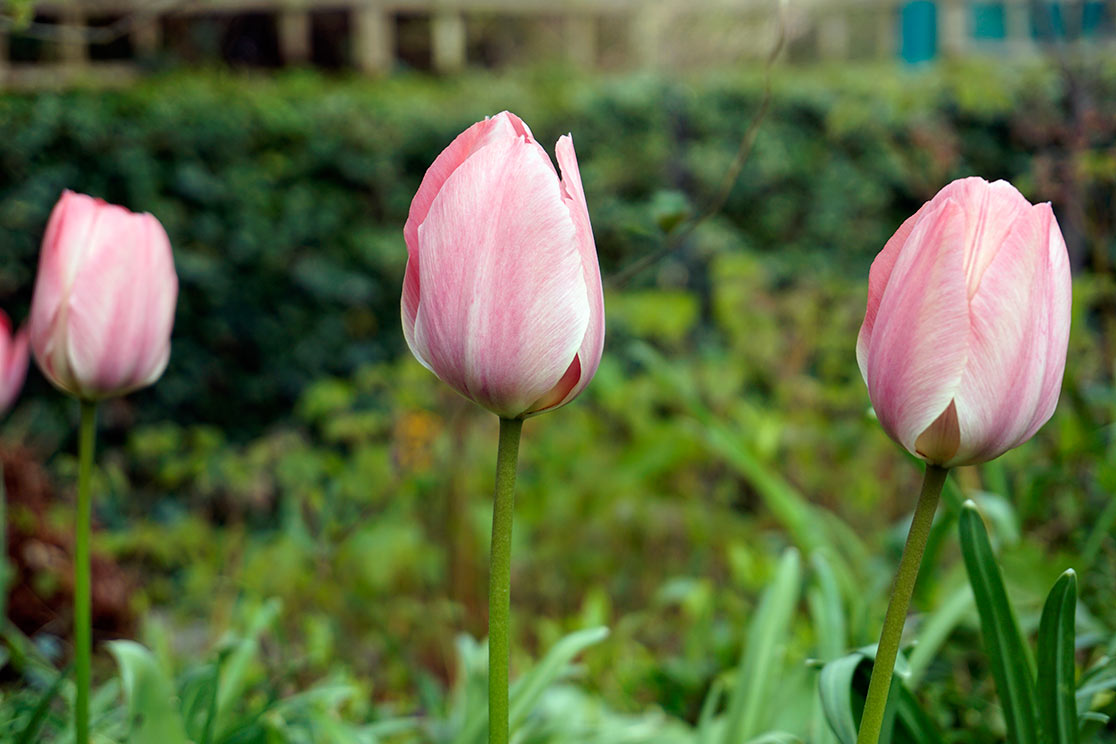
The spring plants are dotted around the garden: Anemone blanda white, Brunnera macrophylla and Jack frost, Fritillaria meleagris snakes head, Hellebores (various), Lamium hybridum, Lunaria annua, Myosotis, Narcissi (various), Oxalis acetosella, Primulas (various), Pulmonaria Lewis Palmer, Vinca major and minor, Viola, Corydalis solida pink, Dicentra formosa, Cymbalaria muralis, Epimedium sulphureum, and Tulips Mystic Van Eijk. There are quite a few just ready to come into flower soon.

I am sure the pink tulips were darker last year.
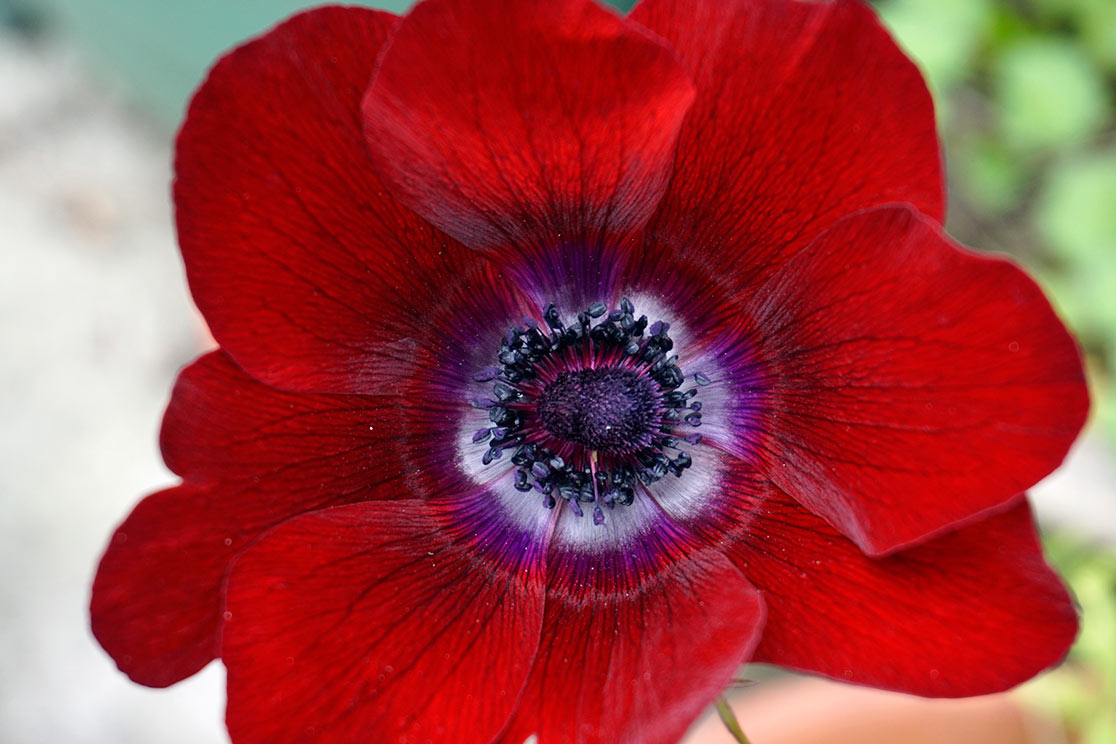
I managed to decapitate one of the tiny Narcissus Segovia as my wheelchair spokes just caught the flower head.  Some of the other Narcissi have succumbed to slug or snail damage. Only one Anemone coronaria Bordeaux is in bloom just now.  I love the combination of the purple hellebores with the purple stems of hebe,  just as the flowers go over on the hellebore, the hebe flowers bloom, although there are a few hebe flowers out just now. The Pulmonaria has lovely pink and blue combo flowers and pretty spotted leaves.  Don’t you just LOVE spring!!
The pond however is rather bare as the lockdown due to the coronavirus meant that the pond edges had been tidied up and the overgrown grasses etc taken away, however,  the company could not work during lockdown so I am still waiting for the new plants.  Only the yellow marsh marigold is in flower at the pond edges.

plants, flowers,
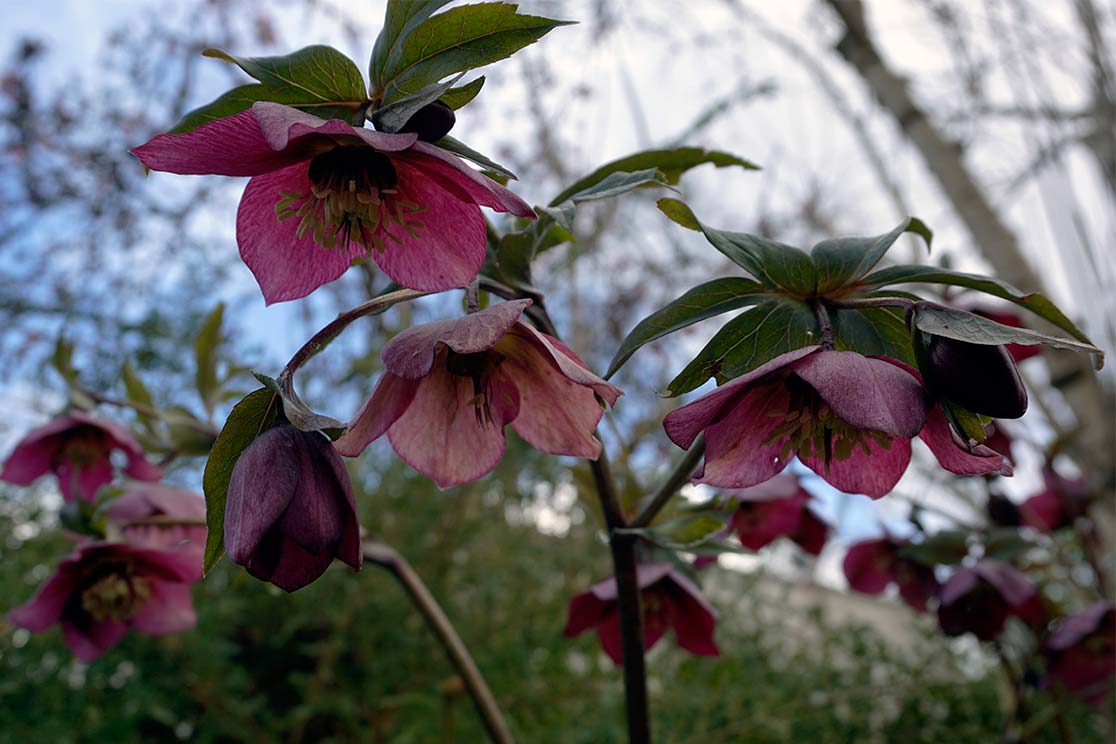
Hellebore alongside Hebe Pink paradise (about to flower)
plants, flowers,
Pulmonaria Lewis Palmer.
plants, flowers,
Helleborus argutifolius
plants, flowers,
Corydalis solida with Munstead wood rose.
plants, flowers,
Oxalis acetosella
plants, flowers,
Lamium hybridum
plants, flowers,
Narcissus pontresina
plants, flowers,
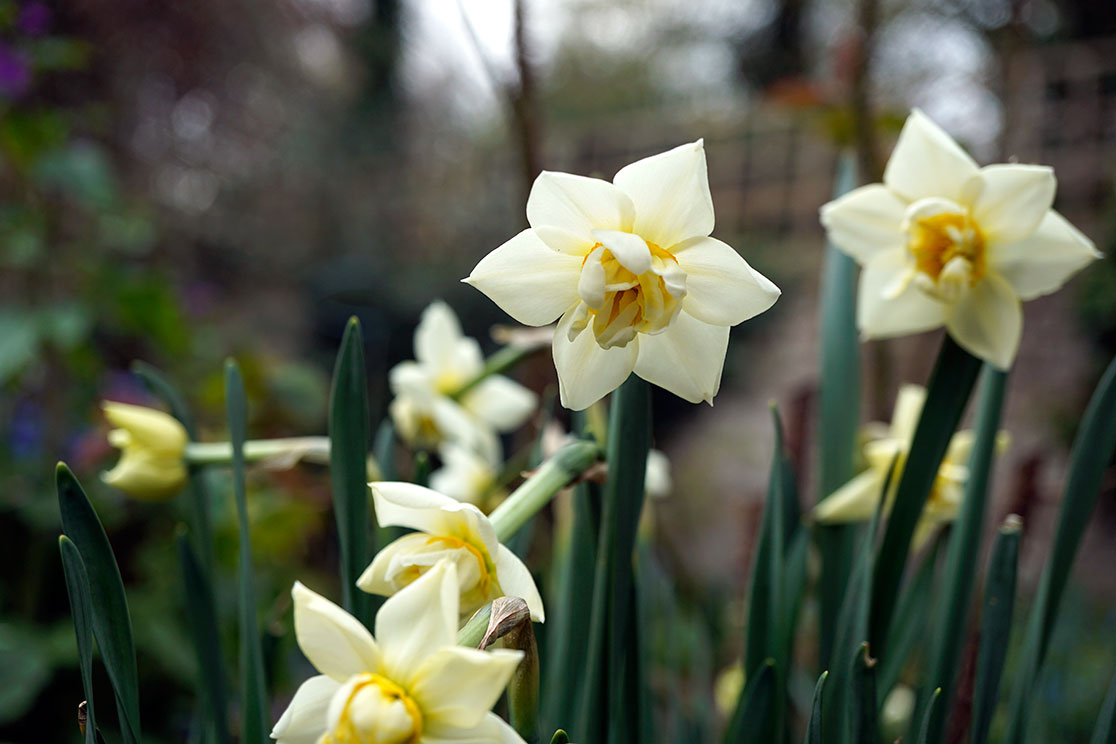
Narcissus cheerfulness
plants, flowers,
Narcissus Segovia
plants, flowers,
Anemone coronaria Bordeaux
plants, flowers,
Tulips Van Eijk

Hellebores for early spring colour.

Finally a bit of warm sunshine – warm enough for me to get a spot of gardening done and tidying up of the patio.  February was such a wet month, the ground has not been able to dry off for months now.  The patio is full of plants at the moment: some of which need to be planted in the back garden, while others are in little pots to be sold in May at the Duddingston Kirk Garden Club.
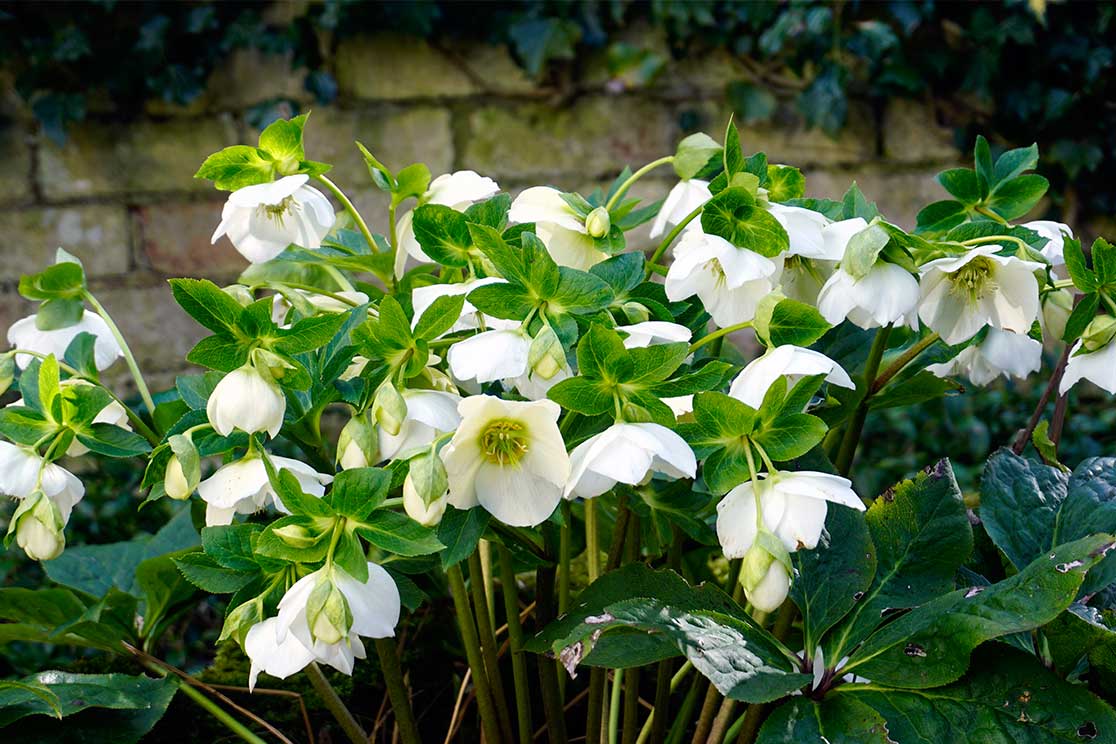
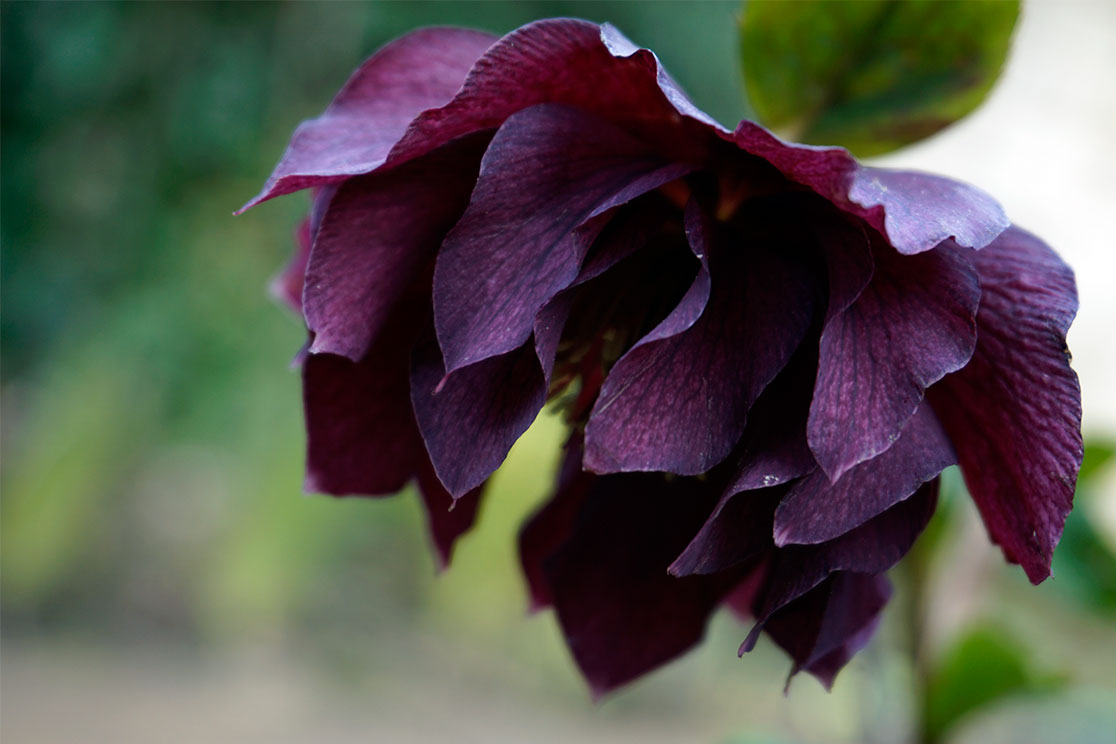
I have been waiting for my six double Hellebores to flower before I plant them as I couldn’t see any labels on them when they arrived from the nursery last year.  They were only small plants and so were nice and cheap.  Three have now flowered and have been planted, but three are still to flower.  I do love Hellebores as they give great colour at this time of year and they clump up well. I had a couple of old large clumps that needed a bit of rejuvenation so I  split  the old large white clump so that I could have some in the stumpery as well as in the main bed.  They didn’t mind at all being split and moved.

plants, flowers,
Helleborus niger white

I split the purple clump to have some at the back of the garden, raised bed and also the main bed.  This one is in the raised bed which is much drier and shadier than the main bed so it doesn’t put on as good a show.

plants, flowers,
Helleborus niger purple

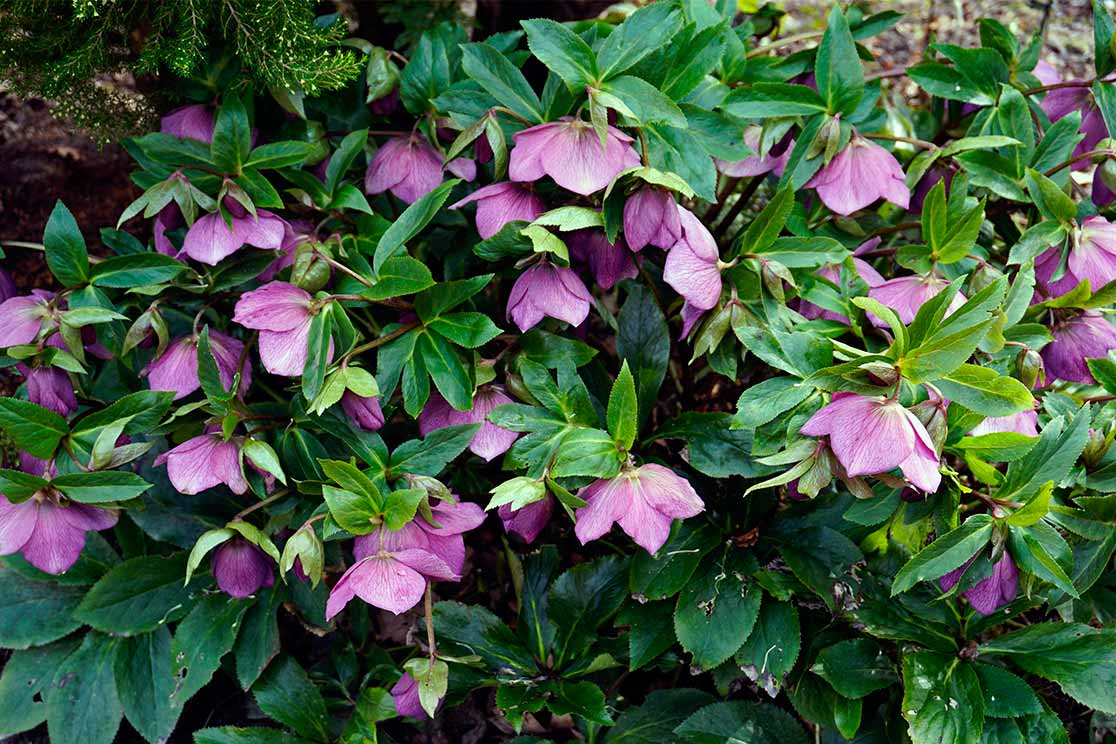
The one in the main bed is also in the shade, but it gets more rain than the raised bed, and the soil is more moisture retentive too.  It loves it there.

plants, flowers,
Helleborus niger purple

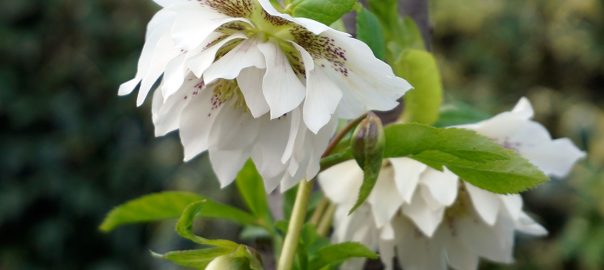
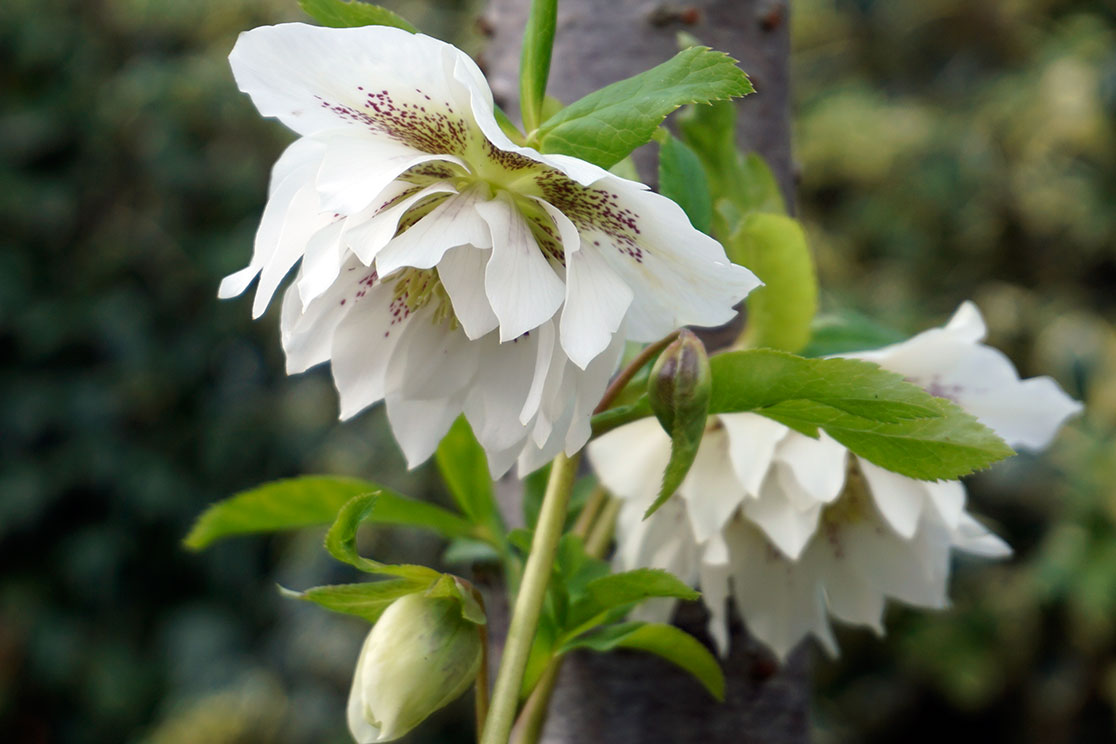
Of the six Hellebores that I bought last year, the Helleborus Double Ellen white spotted is doing ok (a little bedraggled but ok) and was not on the list  – it may have been substituted instead of the double white but I won’t know until the others have flowered.

plants, flowers,
Helleborus Double Ellen white spotted
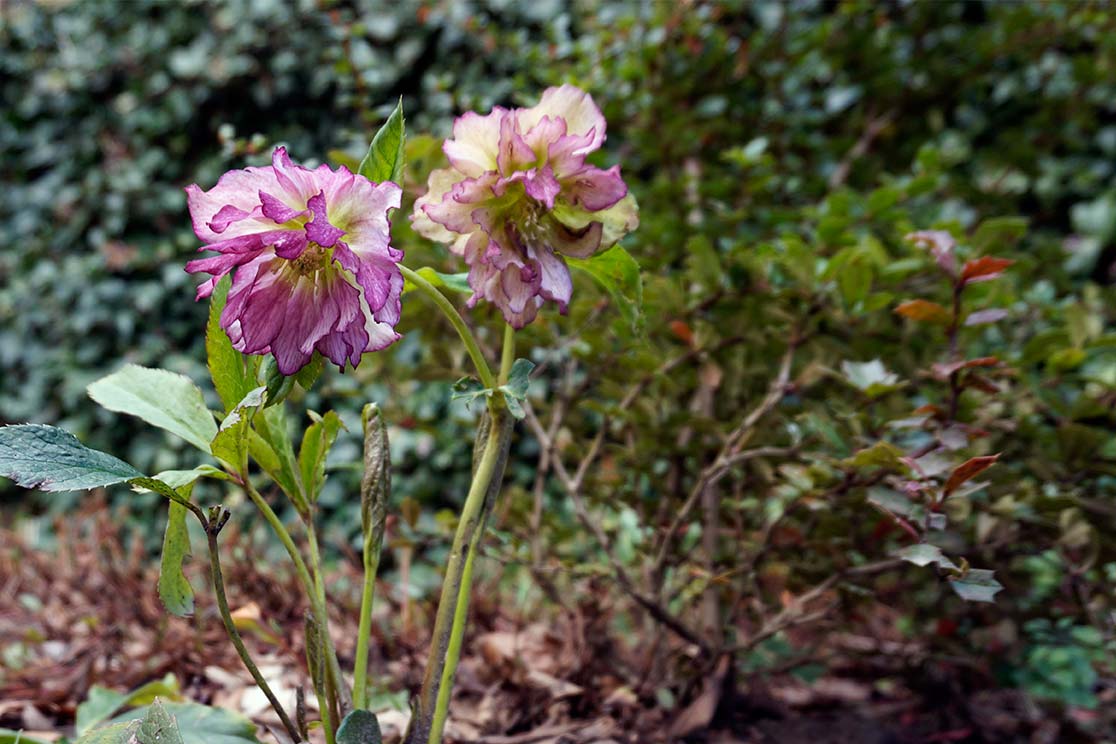
This next photo may be the Double form of Picotee but is is not in great shape so is pretty hard to tell.
(Just after I took the photo my new dog had a mad run around the garden and took both flower heads off! Grrrrrrrr!)
plants, flowers,
Helleborus Double Ellen Picotee?
The Double purple one is looking good and I can’t wait for them to clump up and put on a good display in the coming years.
plants, flowers,
Helleborus Double Ellen purple
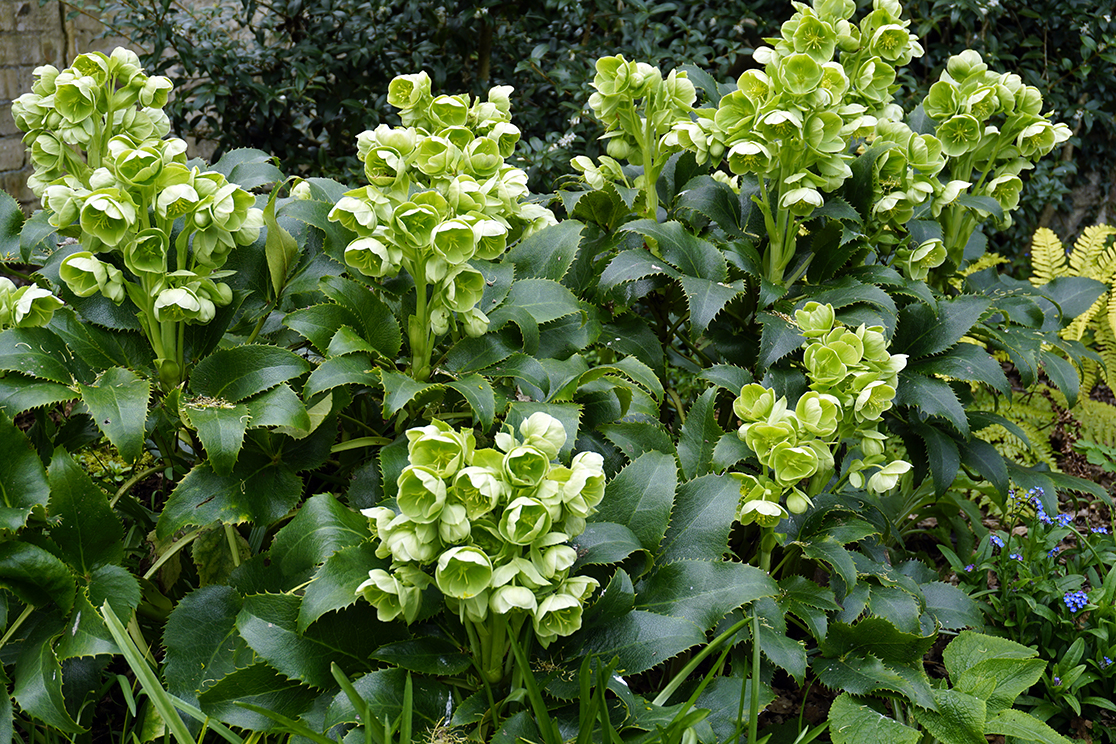
The Helleborus argutifolius is situated in the stumpery and is just starting to flower now. Their flowers last such a long time and are a quite  bright, pale green that show up well against their very dark green foliage.
plants, flowers,
Helleborus argutifolius
Now I mentioned a new dog, well, he is a force to be reckoned with in the garden.  He has already charged into my lovely Acer palmatum Dissectum atropurpureum and broken off a very large branch.  He has trampled a few tulips (not in flower yet).  He has ripped out a Verbena bonariensis, and has chewed on a few shrubs and just loves to leap about in my favourite fern! Argh!  He is six years old (from the dog home) and still requires a bit of training so here’s hoping he will calm down a bit in the garden eventually.  I have already removed my beautiful dark red rose (‘Erotica’) as it had extremely big lethal jaggy prickles and I didn’t want the dog to get hurt.  The good news is that my good pals (neighbours) now have it in a position to deter opportunistic crooks.

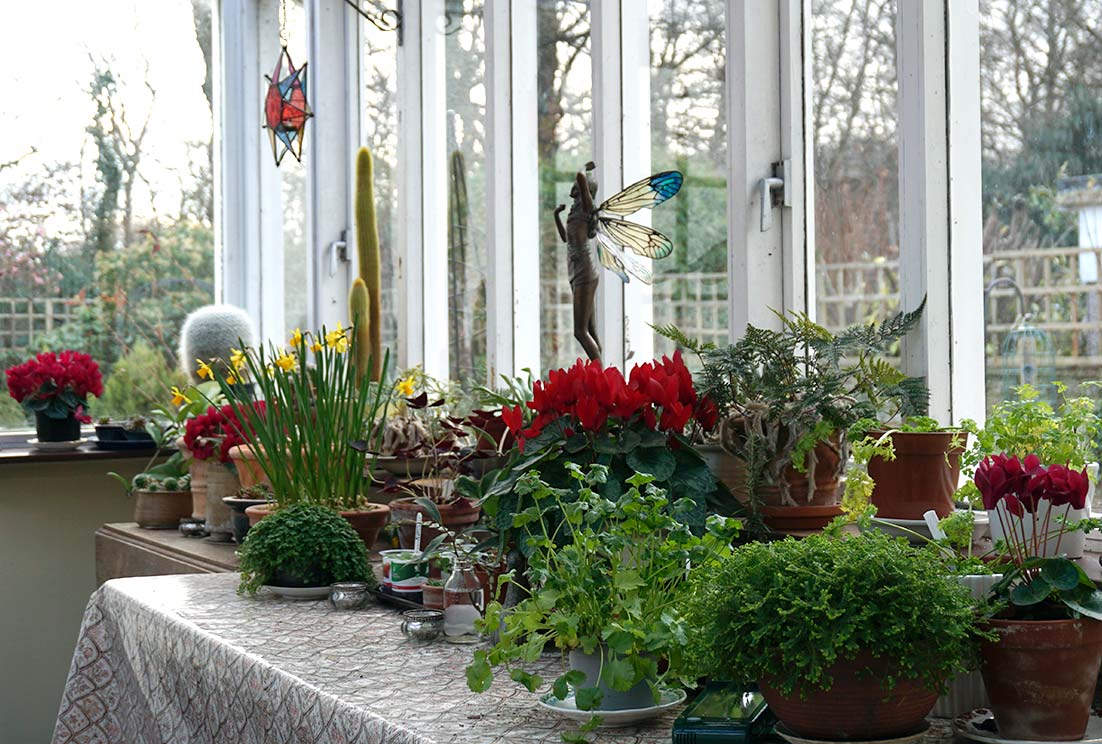
There are a few bulbs in flower in the garden, like the purple crocus, but still waiting for the Narcissi and tulips.  The conservatory is looking colourful just now with the reds of the cyclamen, yellow Narcissus Tete-a-Tete, purple Oxalis, green Selaginella Kraussiana and  Soleirolia Soleirolli (mind your own business plant) and various Sempervivums, cacti and ferns.  The greenfly are around already so I have to regularly check my plants to just keep the blighters from getting out of control.

plants, flowers, conservatory,
Conservatory colour

There is still no sign of frog spawn yet although the heron has been spotted on the garage roof again, and Harry did find a frog in the front garden. The first spawn in 2018, was on 20th March, then in 2019, it was 27th February.  Wonder when it will be this year?  The pond is very overgrown at one side and really needs dug out and replanted.  That will be the next big job.

July, in between ninja showers…

it is muggy, sunny, and hot.  Lots of my plants have some kind of rust or mould on them..  The meadow sweet, verbena bonariensis and a few others have powdery mildew.  Some of the roses have rust and black-spot.  Some huecheras have rust.  I have sprayed the roses again, and have just given them their final feed so I hope they will pick up a bit.  I have taken off most of the rusty leaves form plants, but the powdery mildew can be quite stubborn  I am having the constant battle with the humongous slugs and have resorted to using some ‘Sluggo’ near my new delphiniums as I am sick of my new plants disappearing overnight.
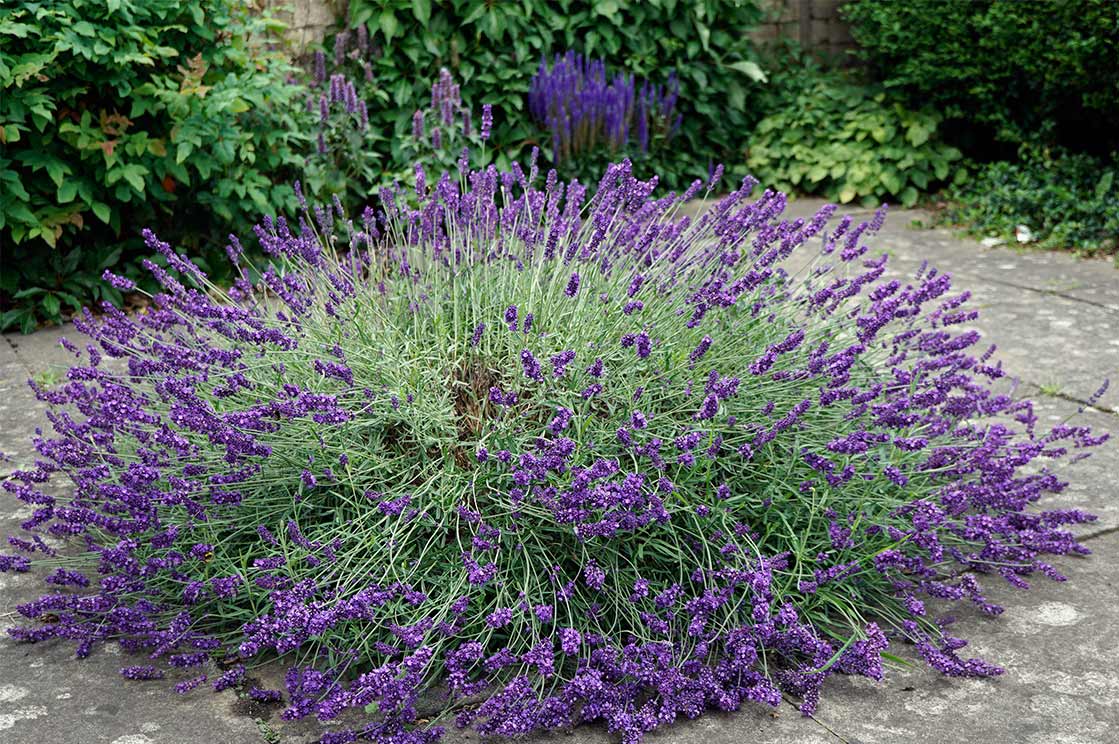
Normally at this time of year I see loads of bees covering the purple lavender, veronica and agastache out in the front garden but this year there are only a few about.  The agastache to the left of the mahonia is devoid of all leaves courtesy of slugs and snails, while the ones at the right side are fine. The purple loose-strife, persicaria, hedge woundwort, verbascums, geraniums, delphiniums, cat-mint and a foxgloves are still attracting bees and other pollinators.
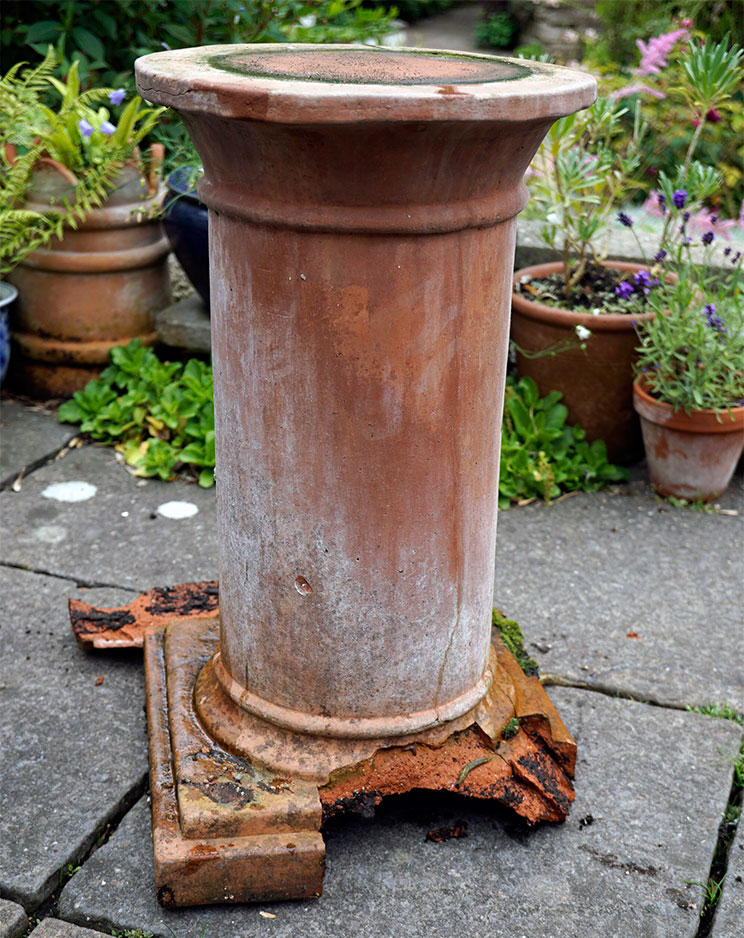
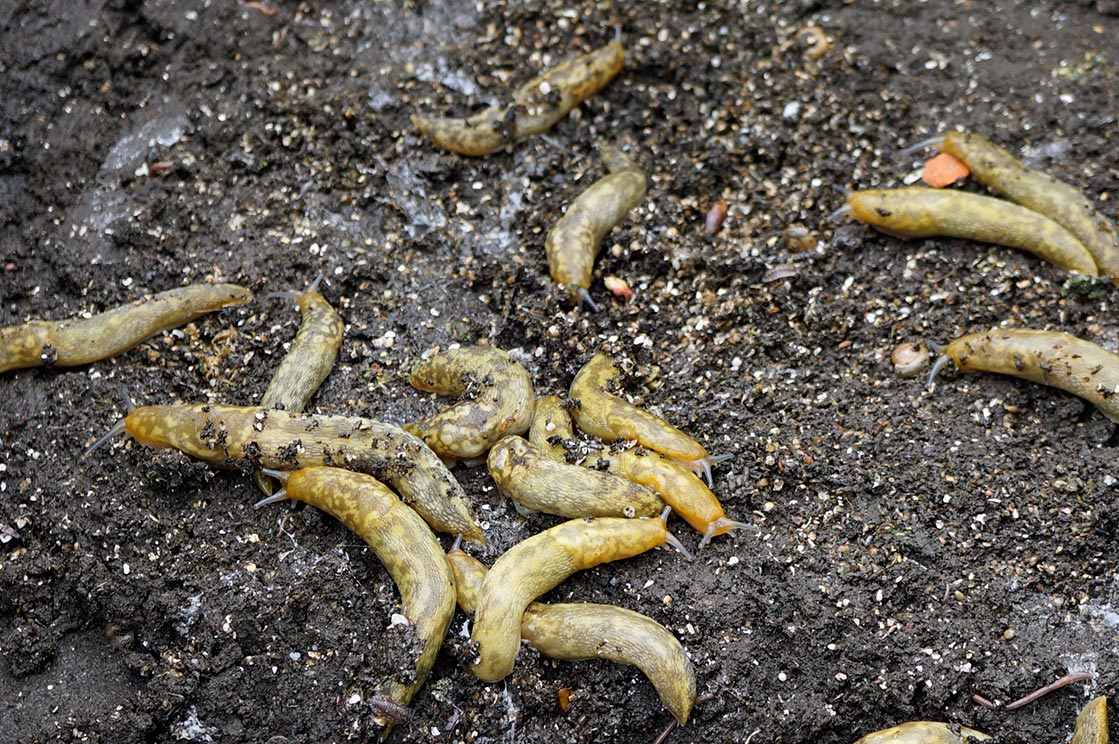
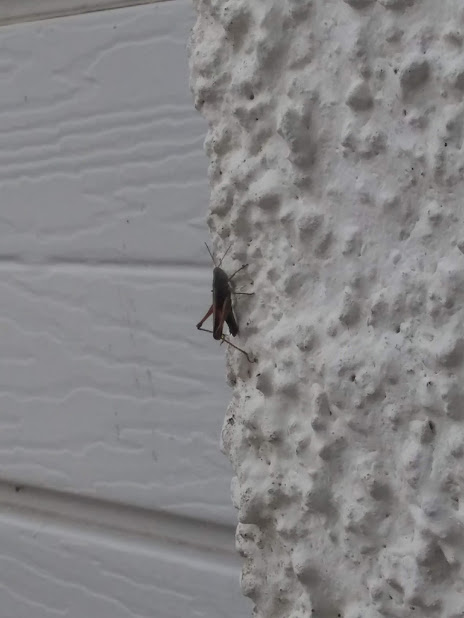
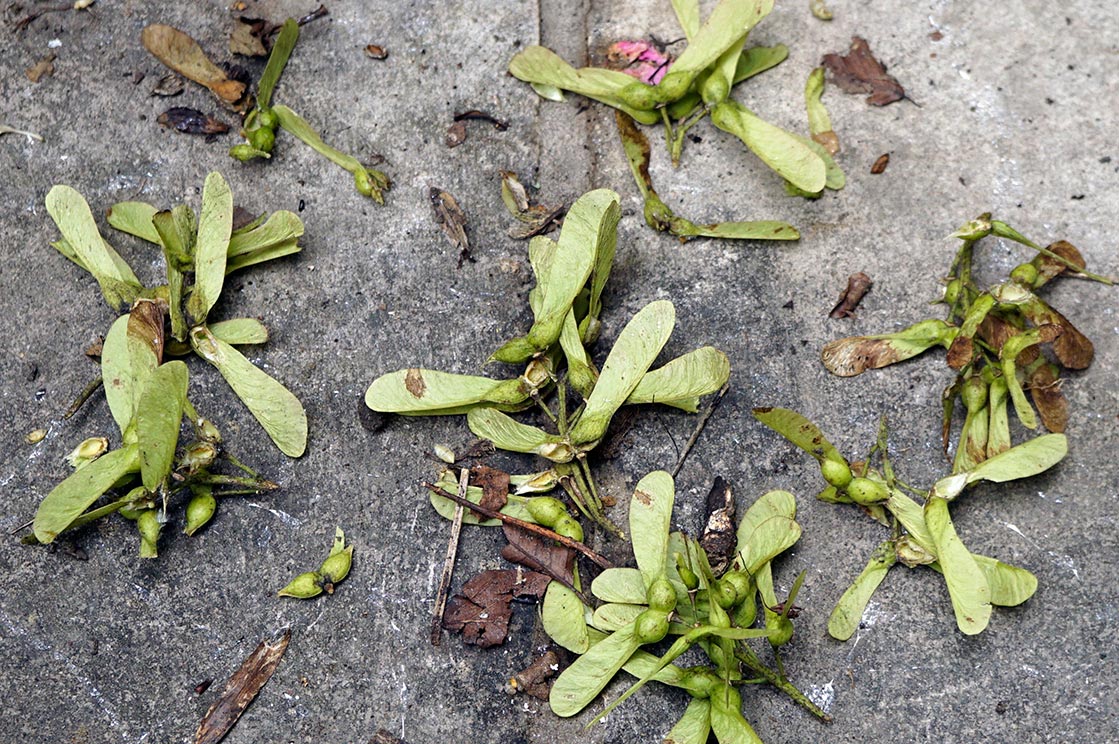
I finally moved the old bird-bath plinth from the patio as it was falling apart and found it had been a good home for the green cellar slugs (which are good guys) so I let them find a new home behind the patio plant pots.  I found a cricket on the garage wall (horrid photo taken with my phone) which was nice.  We used to hear crickets when we first moved here, but haven’t seen or heard any for years now so maybe they have come back this year? All over the garden are lots of tree seeds: mainly sycamore keys and tiny silver birch seeds.  They really make the place look untidy but I have finished dead-heading and weeding for today and I am off out to enjoy the sunshine before the next lot of torrential rain due tonight (along with thunder and hail so they say).

plants, flowers,
Lavender
plants, flowers,
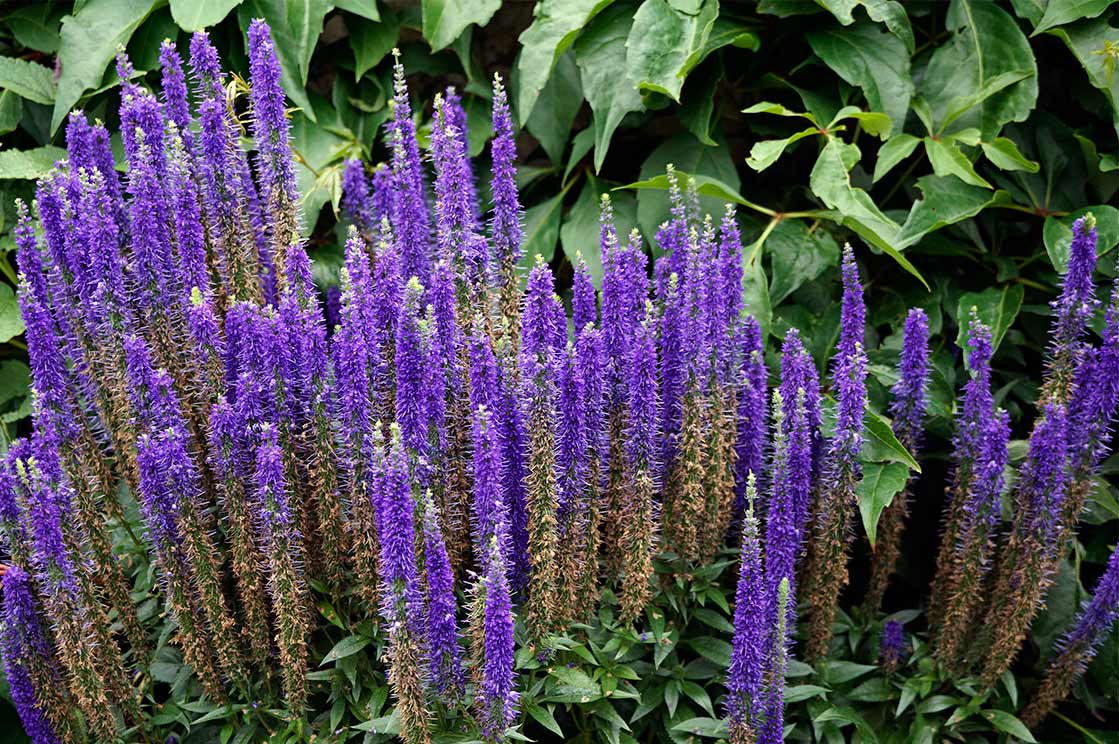
Veronica spicata ‘Royal candles’
plants, flowers,
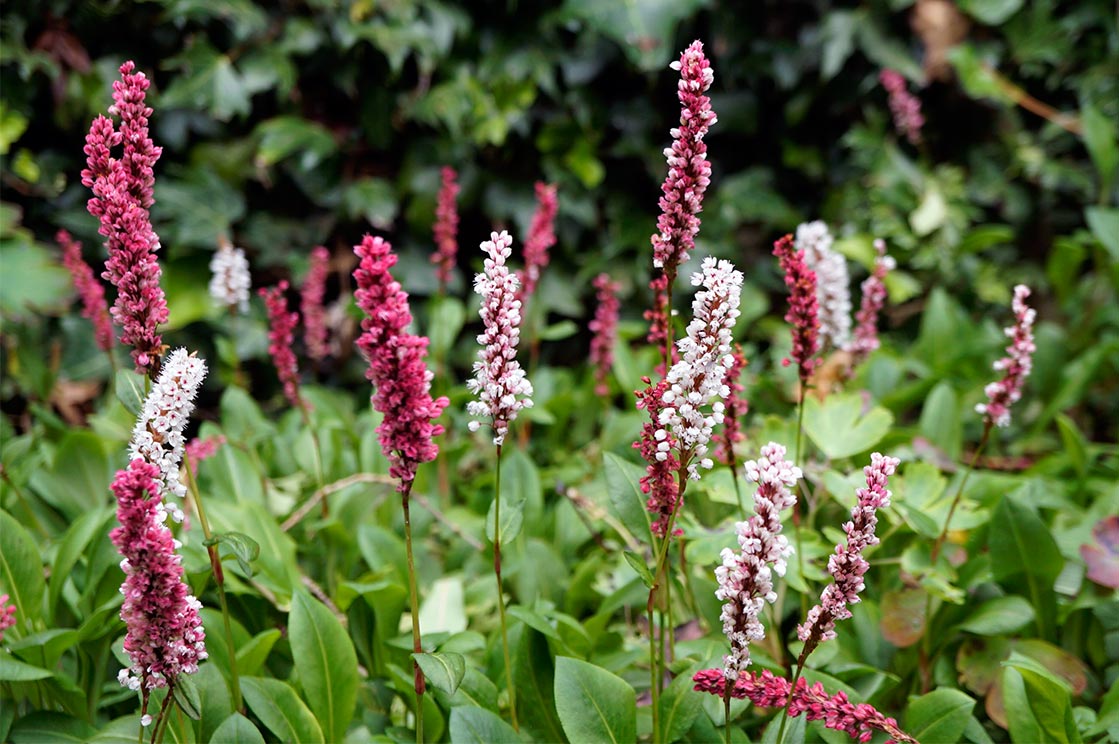
Persicaria affinis superbum
plants, berries,
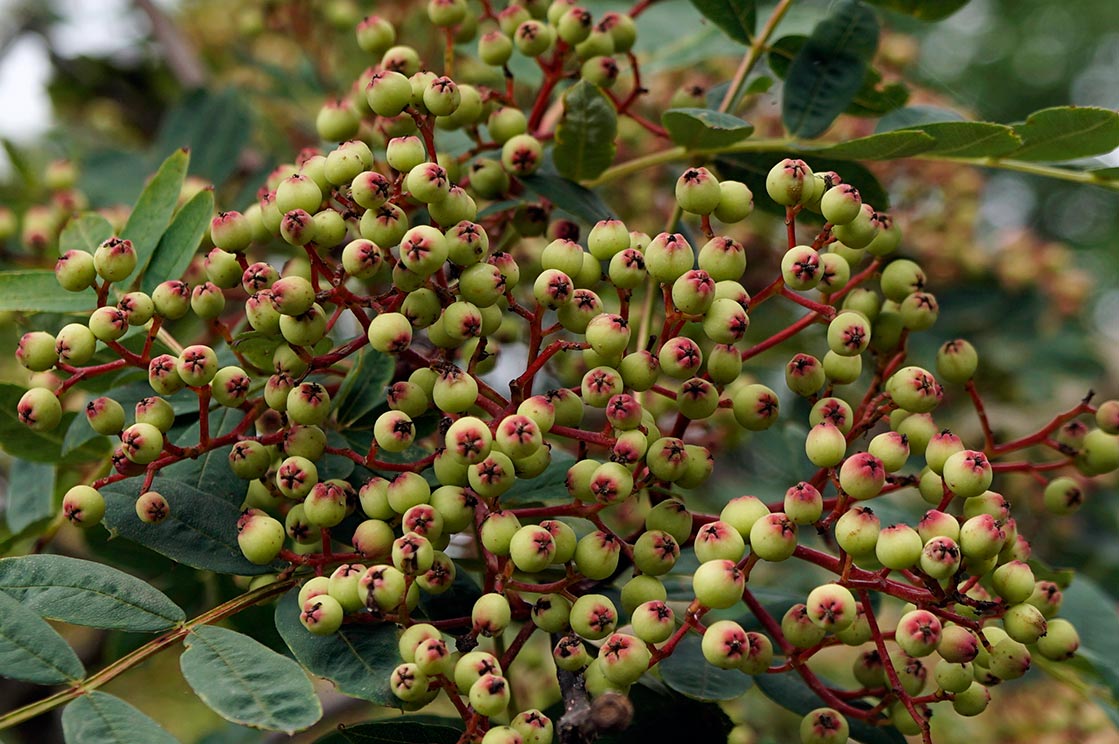
Sorbus  hupehensis Pink pagoda berries
plants, flowers,
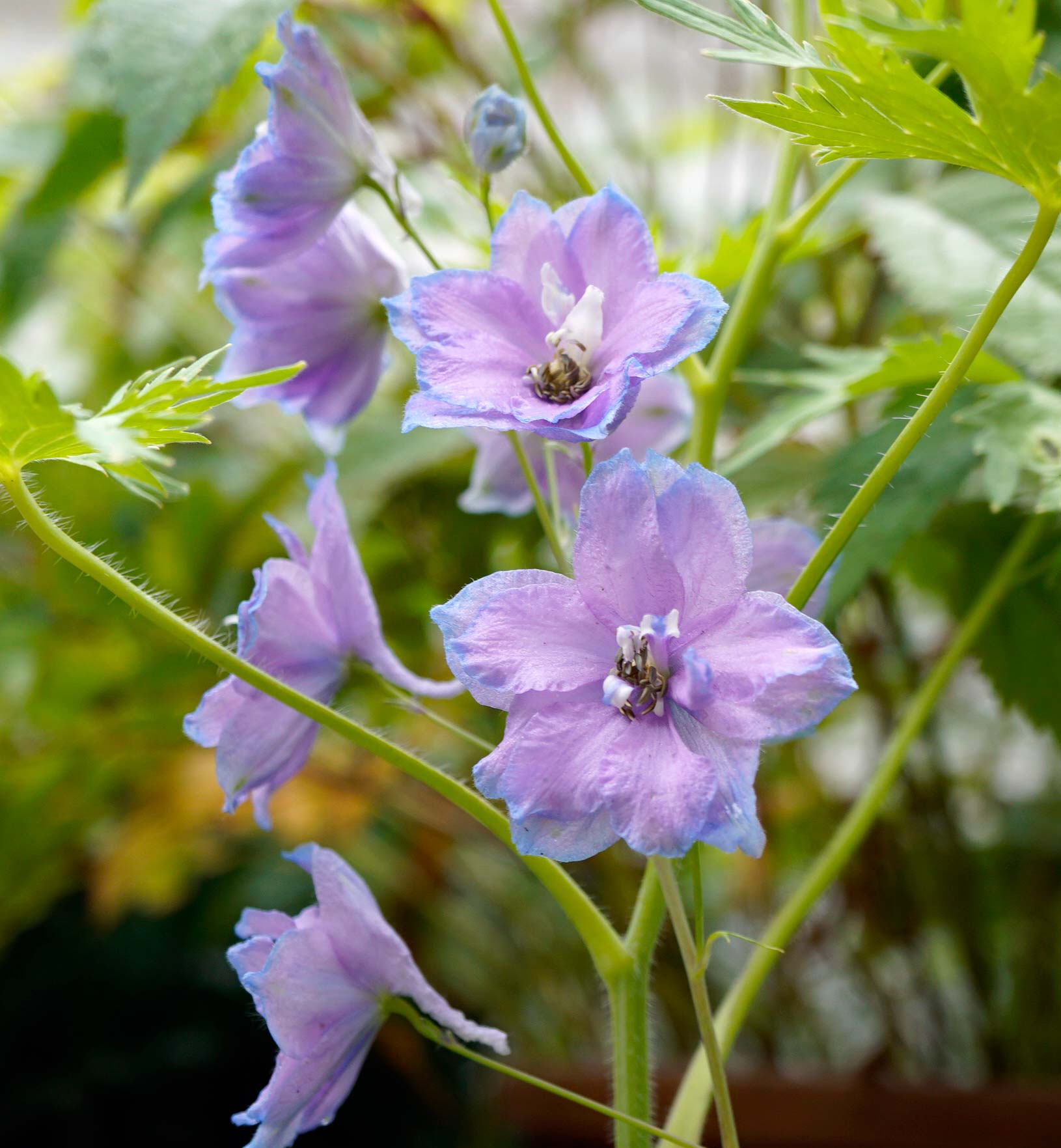
Delphinium cameliard
plants, flowers,
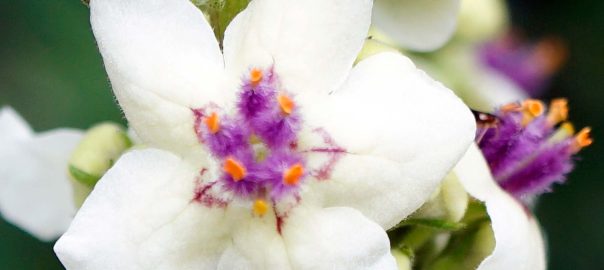
Verbascum chaxii album
Old bird-bath plinth
wildlife, slugs,
Green cellar slugs (Limacus maulatus)
wildlife, snail,
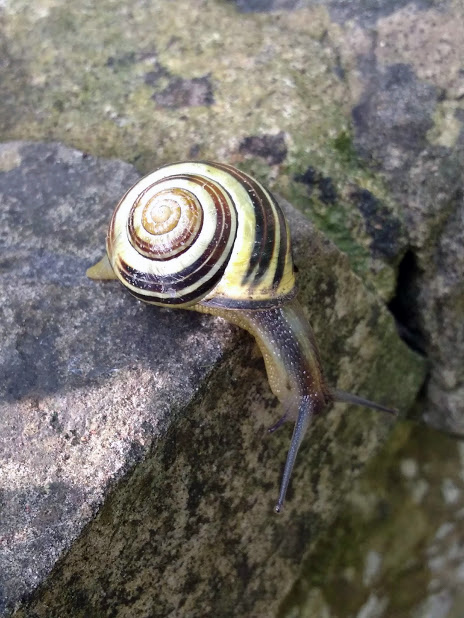
Grove snail or brown lipped snail (Cepaea nemoralis)
wildlife,
Cricket?
plants, seeds,
Sycamore keys (samara)