Category Archives: pond

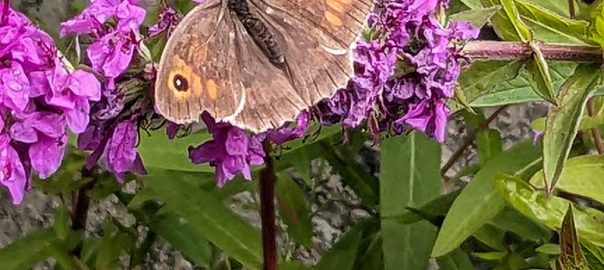
Brown and orange coloured butterfly sitting on a purple flower of loosestrife pond plant.

The beginning of August 2026.

Finally some rain! We got a good down pour overnight on the 25th July and a few showers since then so good news for the gardens up here in Scotland.  Although there are dreadful wildfires going on in Europe which are desperately in need of rain to help put the fires out but the heat wave continues in France and Spain and England.  There is a major wildfire going on in the Cairngorms in Scotland too.

I have been searching for a few small trees to plant in the spaces where a few died last year with some success.  I went for another witch hazel for the stumpery area but couldn’t find the one I wanted but settled for Hamamelis intermedia ‘Arnold promise’.  It had two labels on it though: one said it has light yellow, slightly sour smelling flowers during January and February and the other said: it has fragrant, bright yellow flowers and blooms a month later than other witch hazels.  I am after a couple of Amalanchier trees too (Laevis ‘snowflake’ and Candensis ‘October flame’): snowflake to replace the cherry tree on the patio and October flame for the back border.

The iris Jane Philips in the side border are just annoying me as they look a bit tatty for most of the year and only look good when they flower so I am thinking of replacing them with the erigeron schneewittchen, which I have in a pot on the patio, as it has held onto its tall daisy flowers for a long time and will hopefully clump up nicely.

The other day we heard a commotion while we were eating our dinner.  It was 2 pigeons flapping about in the conservatory having wandered in through the open door and then panicked when they couldn’t find the still open door.  One must have landed on a cactus leaving behind a lot of downy feathers.  We often get small birds like robins and tits popping in and occasionally a squirrel but it is the pigeons that make the most mess.  We are forever rescuing butterflies and bees and the odd damselfly too, but the hoverflies just hang around at the top of the roof and sadly they can never find their way out again.
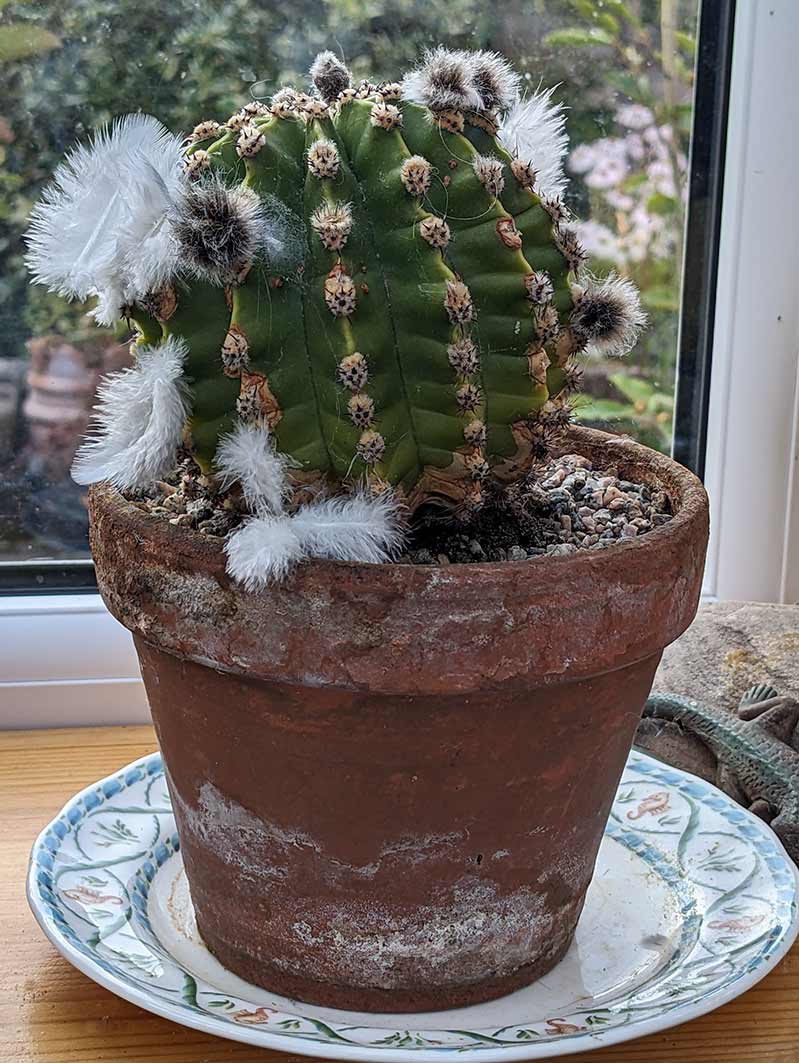
Downy pigeon feathers caught on some spines of a small cactus plant.
Cactus with feather caught on it’s spines.

I finally got a photo of a meadow brown butterfly feeding on the loosestrife at the back of the pond.   There are loads of white butterflies about but they haven’t sat still enough for me to identify what they are.  They are most probably large whites and orange tips.
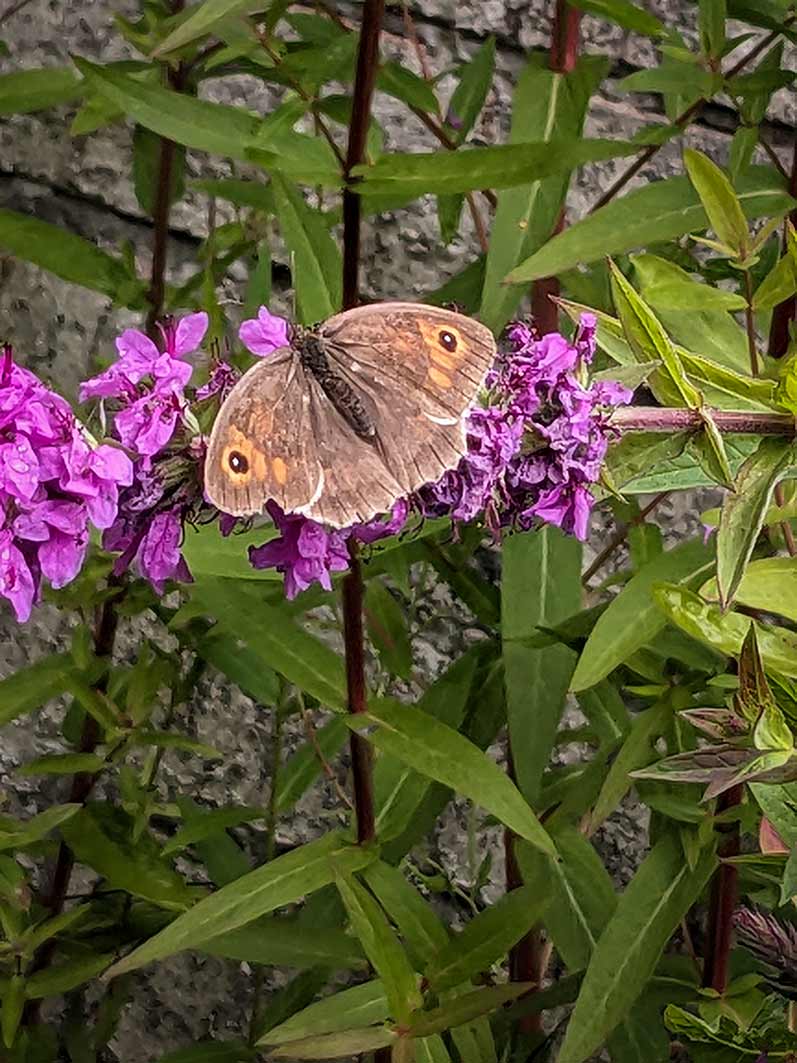
Brown and orange coloured butterfly sitting on a purple flower of loosestrife pond plant.
Meadow brown butterfly (Maniola Jurtina).

I have also seen peacock butterflies, red admirals, spotted wood, holly blues and commas, mainly on the house wall, but again haven’t managed a photo this year.

It is that time of year we can start to collect seeds for next year and I love my old snappy tray to collect them in.  It is meant for using in crafts for messy things like when using embossing powder or glitters etc or even jewellery making but it comes in handy when collecting and decanting seeds.  I normally keep the collected seed in those tiny brown coin envelopes in a nice dry room but I have also had success using those old plastic film canisters with lids but your seeds have to be well dried before using them so they don’t rot or sweat inside the canister.  The funnel on the bottom corner help pour the seeds into the small brown paper envelopes.
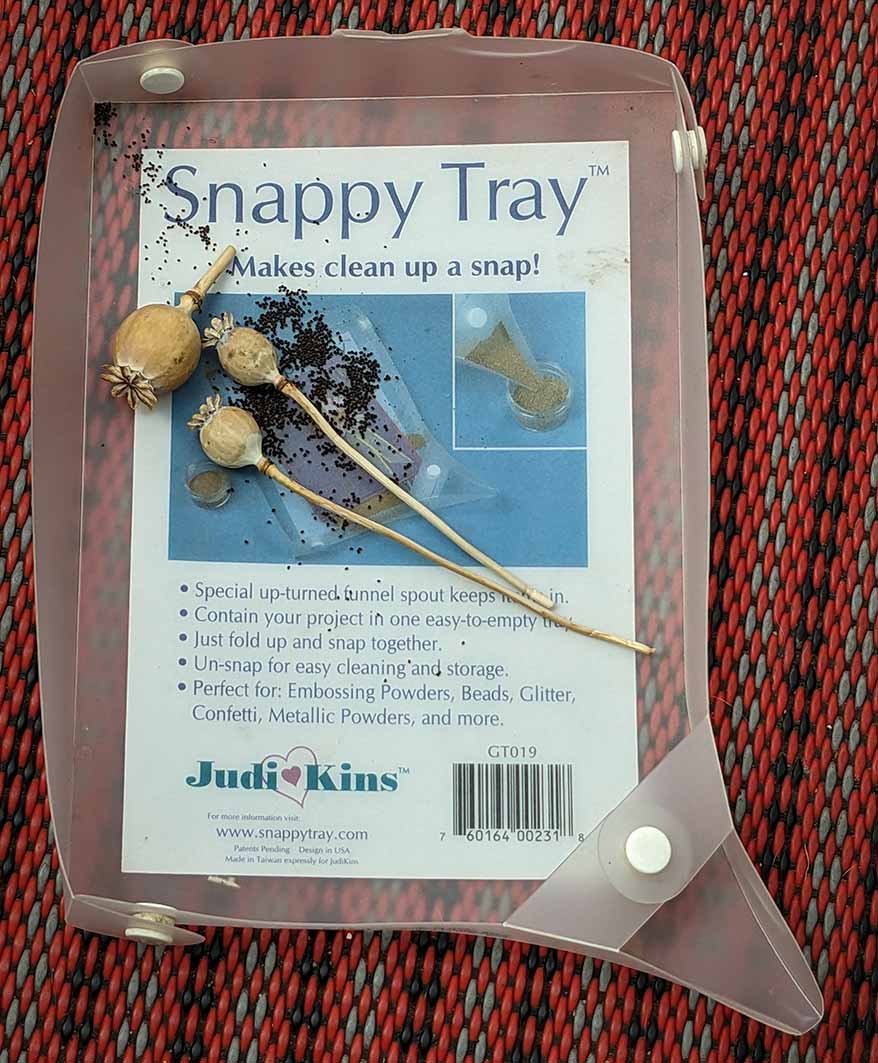
Plastic tray that you stud together that has a funnel at one corner for allowing things like seeds or glitter to go down.
Snappy tray.

The poppy seeds were the first this year with the astrantias coming along now.  I have loads of collected seeds that I keep in a metal tin and I often try previous years collected seed first and if they don’t germinate I go onto the newer ones.  I often swap the seeds with pals or the Duddingston Kirk Garden Club members.  I do let some plants self seed too (like the snowflake primula and honesty) in the hope that they come up without me having to sow them.  With the foxgloves: I collect the seed and then sprinkle them where I would like them to come up.  I still save a few just in case.

Every time I wander around the garden, usually when on slug patrol, I keep finding things that need doing, and usually things that I can’t do myself.  The pond is looking very congested as there was only 1 pond lily there but now there are a few self seeded so I tried to pull one out the other day and it just snapped and I battered my already sore arthritic knuckles off the wheelchair push rim. So I  needed  help (Amy) bringing a few of them out of the pond.  At the right hand side of the pond there is rather a lot of cotton grass, random other self seed grasses and a large rush which has expanded over the years and also self seeded.   In amongst all that are a few iris plants which don’t stand a chance in flowering.  I may take the rush out and put in a flowering rush: Botomus umbellatus (which isn’t actually a rush). The raised bed has quite a few areas where the bees have tunnelled down from the top and made large holes which just funnels rain water straight through and out through the holes in the wall which were made for plants.  I did go around the raised bed  just after the rain the other day to mulch it, but what I really need to do is put a plant in the top holes and try and plug up the side/bottom  holes just now until the plant roots mesh together and plug the top holes properly.  (The dry-ish mulch was just coming out the bottom holes).

Now the Japanese anemones have started to flower, and still in flower are the agastache, potentilla, nepeta, some hardy geraniums, persicaria, achilea, heuchera, verbena, the orange geum, rose campion, oregano, and a couple of hellebores have just started to flower.   The white astrantia still in flower but that is going over now., whereas the red one hasn’t flowered at all due to the slugs and snails.   The marigolds sitting on top of the half barrel are flowering away quite happily as long as the slugs and snails don’t find them.  In the pond there are still the purple loosestrife and a couple of the pond lilies.  The irises didn’t flower yet again – not even the new ones at the front of the pond.

The view from the patio: I have left the clumps of water lily by the edge of the pond to allow any beasties to get back into the pond.
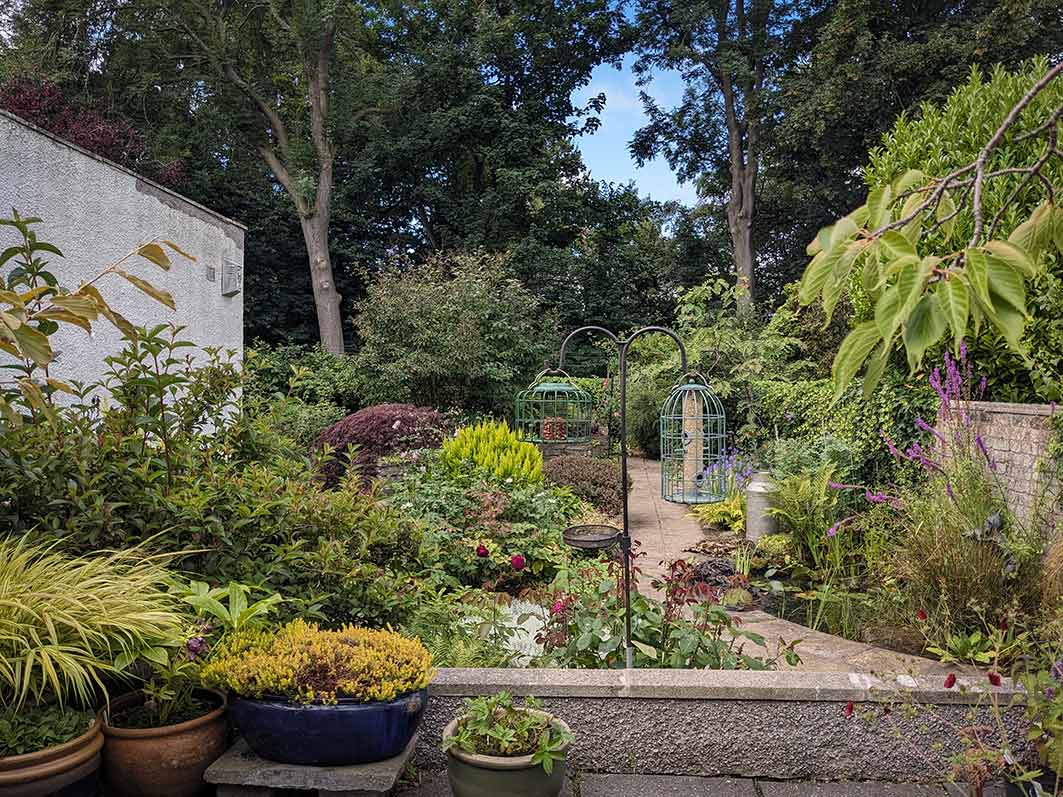
View of the garden with small pond from the patio.
From the patio beginning August 2026.
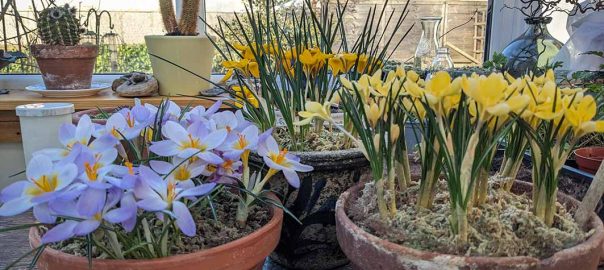
Crocuses indoors in pots on a table.

Mid March waiting for spring proper.

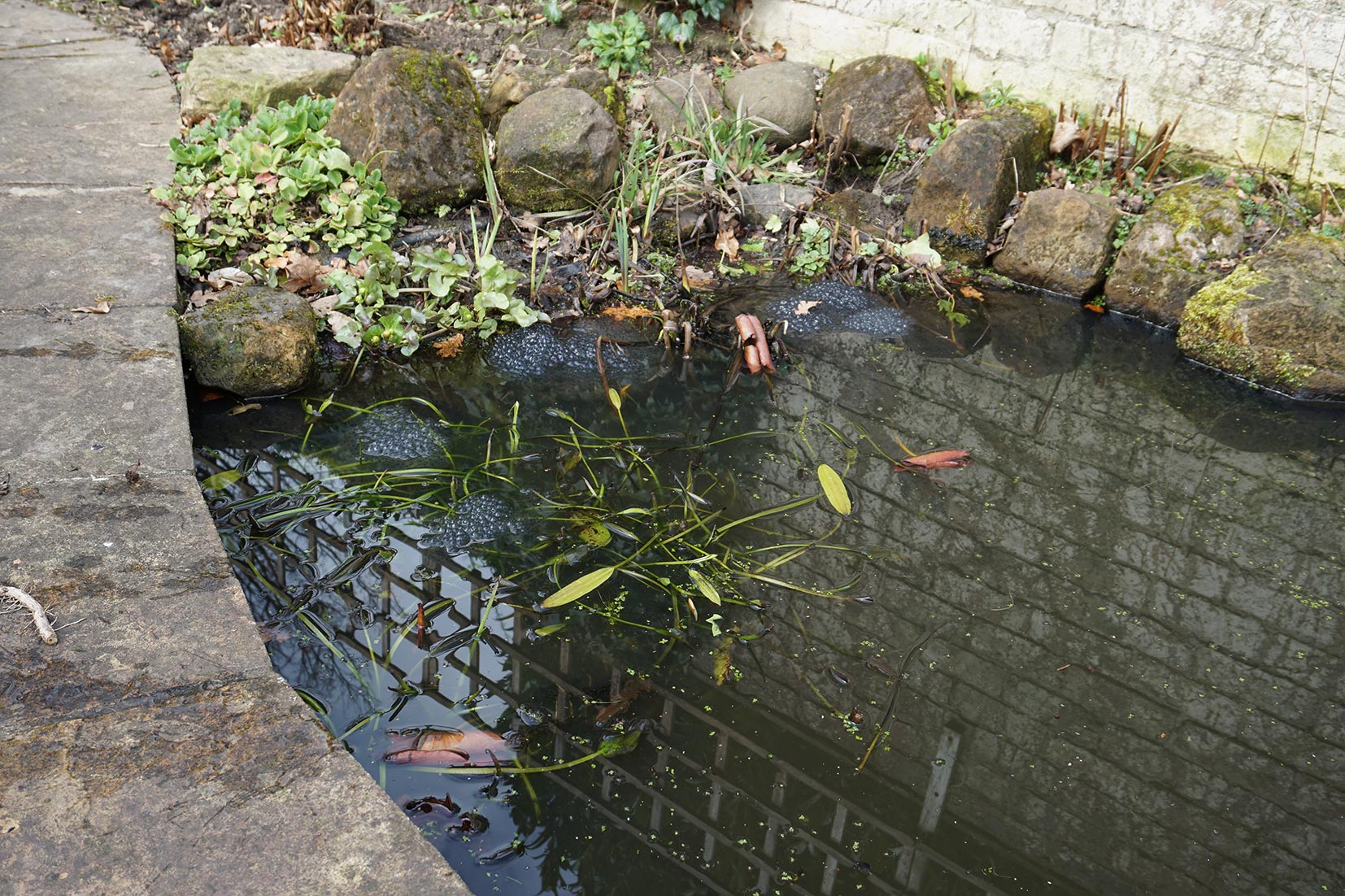
It is still very chilly out there with threats of frost.  We did have a couple of lovely mild, sunny days and it was so good to get back out in the garden.  We  chopped the pond lily in half as it was taking over the pond and we dug out half of the rush too as it was getting too big.  Just in time too as the frogs started to arrive – this year 8/3/25  I have been keeping a not over the last few years of when the first spawn appears in the pond:

22/3/18

27/2/19

05/2/20

15/3/21

18/3/22

13/3/23

19/3/24

08/3/25

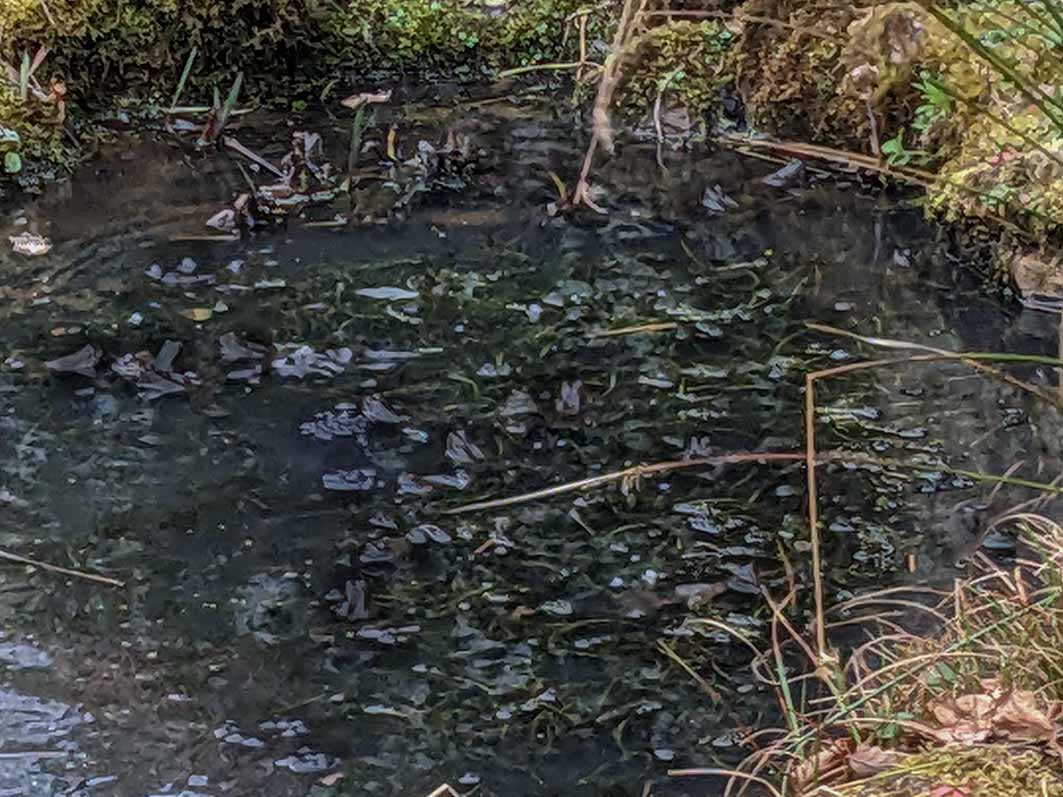
The photo isn’t great but I counted about 20 frogs and can see about 8 or 9 dollops of frogspawn so am happy with that.  I haven’t spotted any newts this year yet.

frogs collecting in a small garden pond
Frogs in March

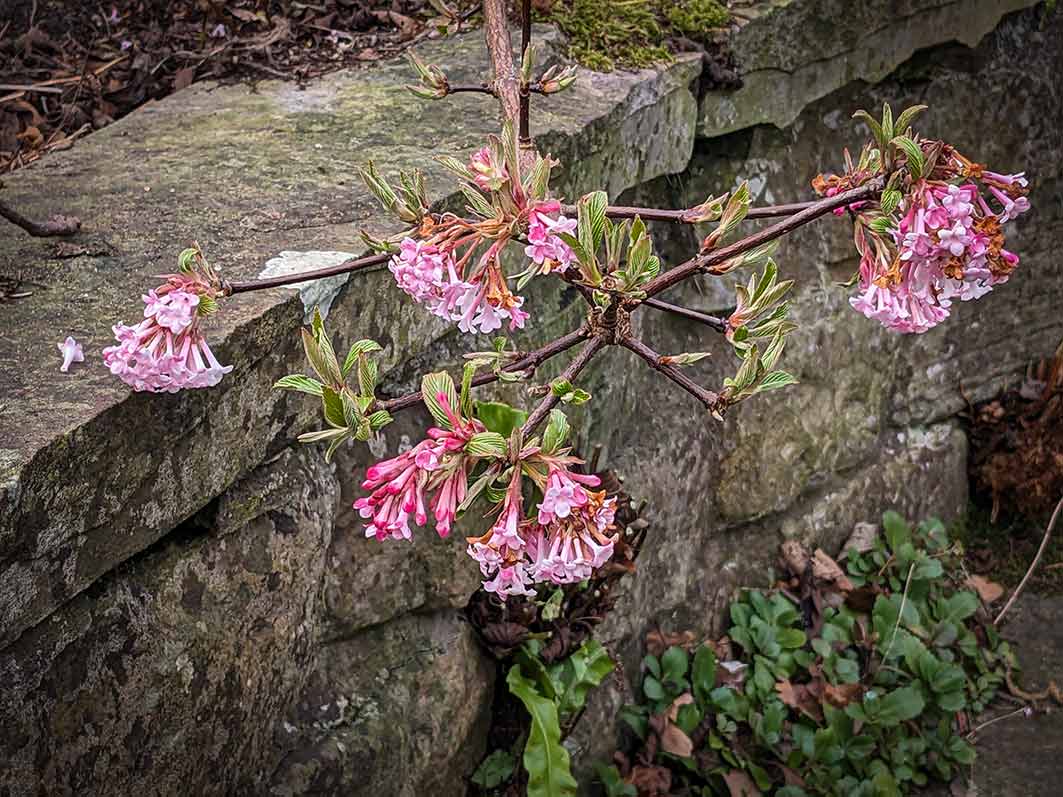
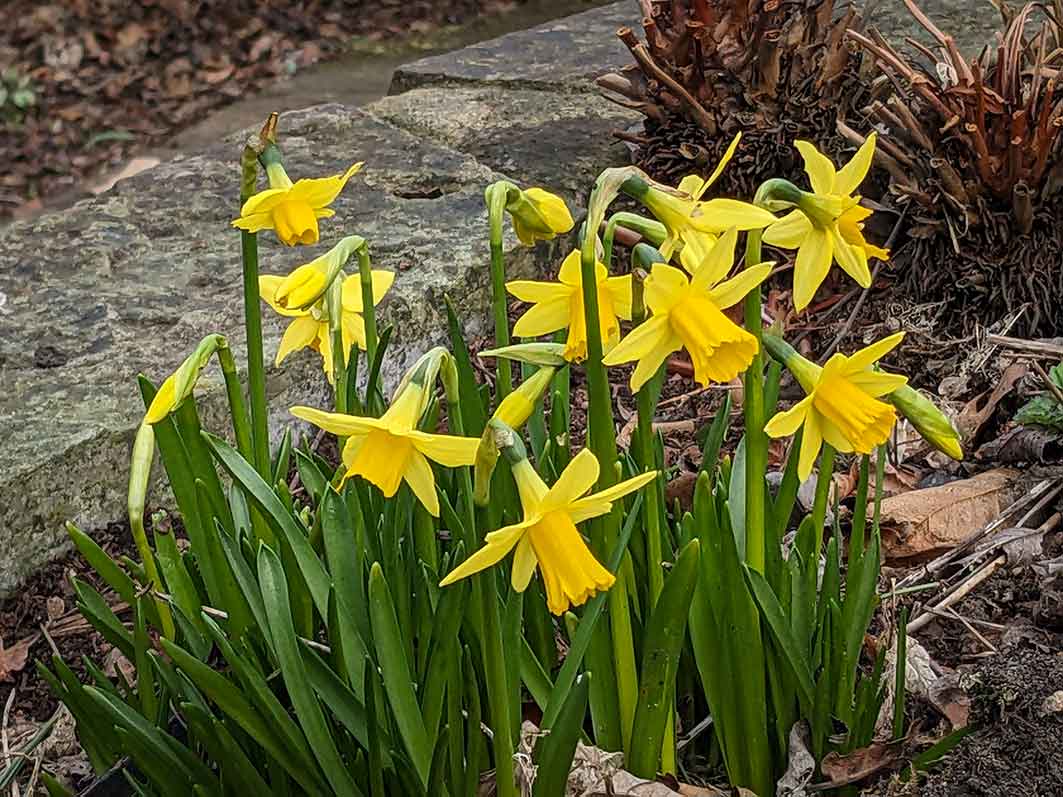
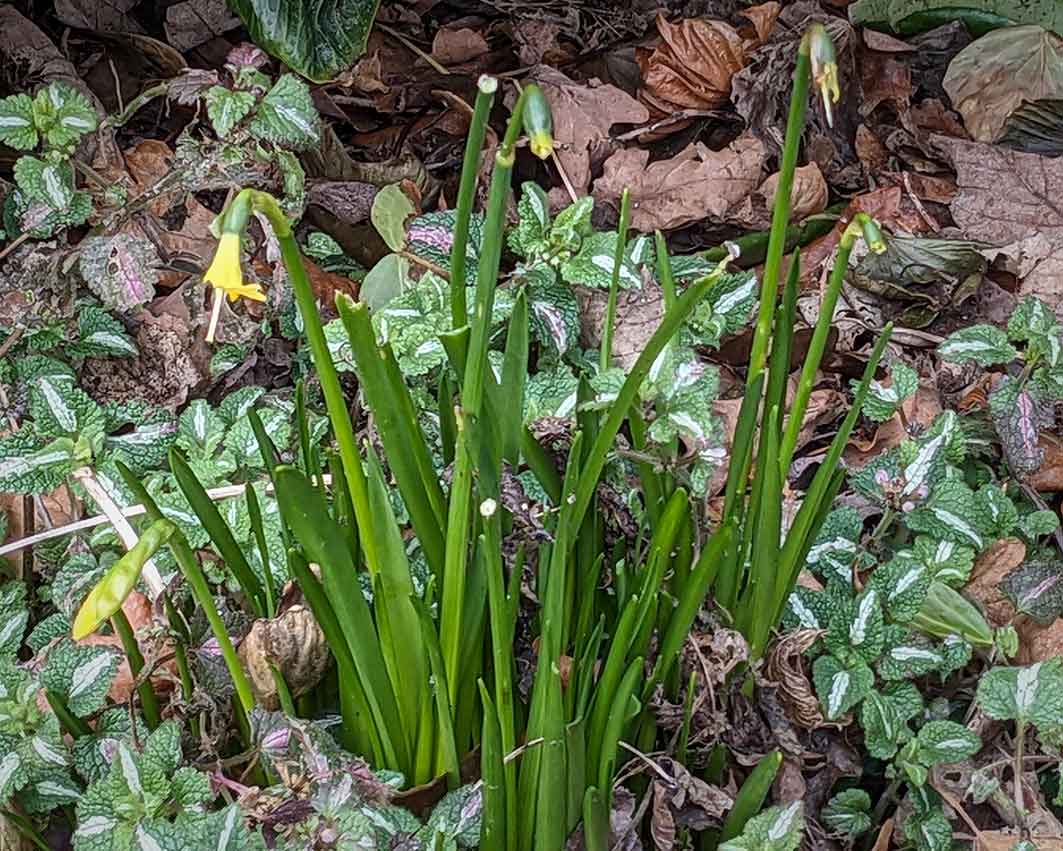
There are a few splashes of colour now mainly with the hellebores, some narcissi, crocuses and viburnum.  There are a few low branches of the viburnum with lovely scented flowers that are within my reach so I can really get a nice whiff going past. There are big yellow daffodils out the front but tiny yellow narcissi out the back.  The tiny ones are the Tete-a-tetes and the clump in the raised bed are doing well, whereas the clump just a metre or so away in the border has had the flower heads eaten.

Low branch of pink viburnum flowers over a wall.
Viburnum flowers on low branch.
small narcissi Tete-a-tete in a raised bed
Tete-a-tete in the raised bed.
small narcissi Tete-a-tete flower heads eaten.
Tete-a-tete flower heads eaten.

I am blaming the wood pigeons but it may actually be mice or slugs too.

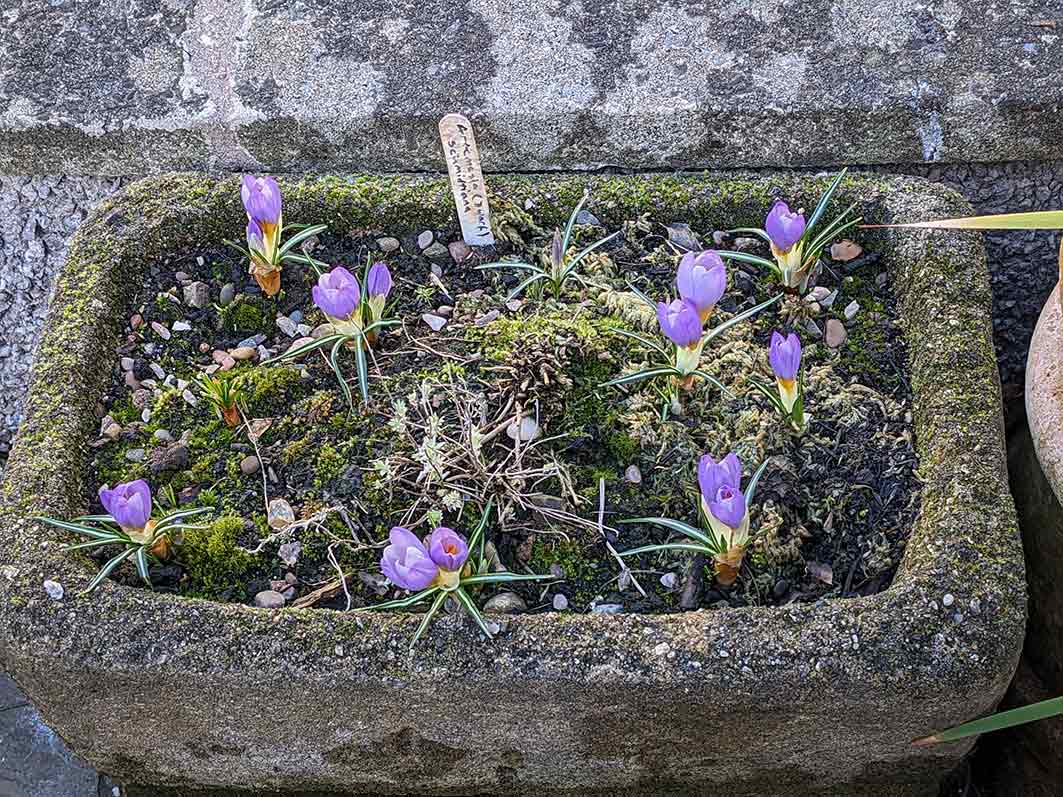
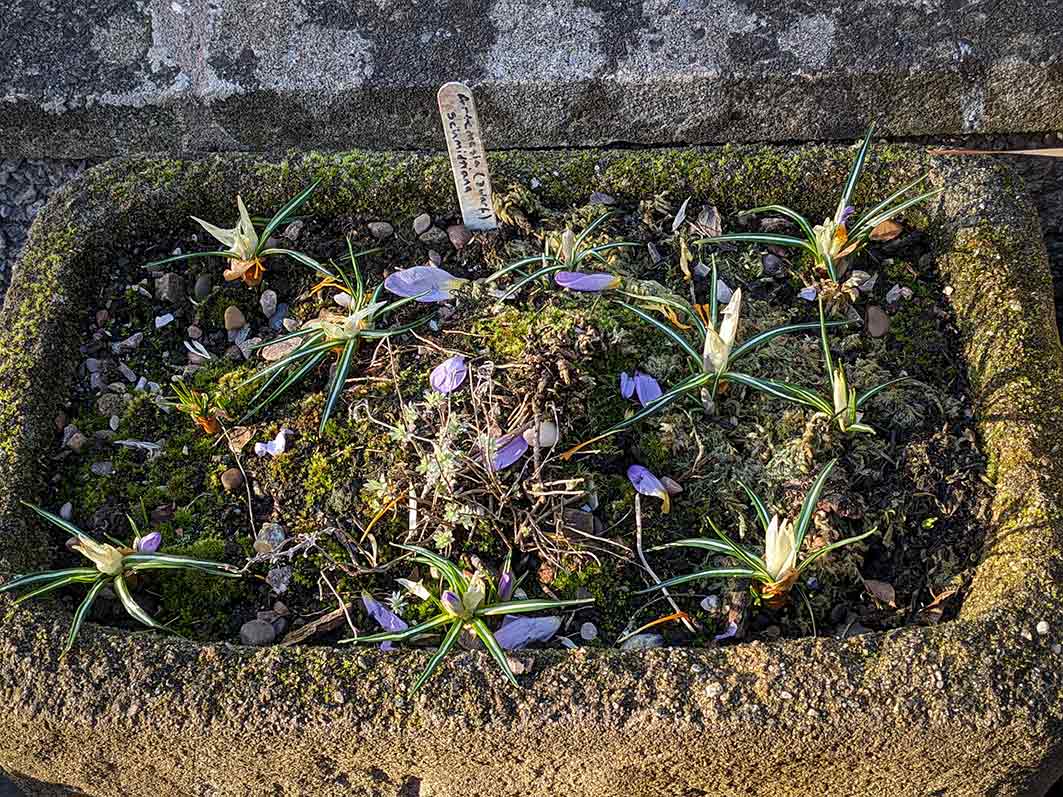
The same goes for some of the crocuses flower heads  The ones in the garden are doing well, but the ones planted int the small trough on the patio have been eaten.

Crocus bulbs just about to flower in a small trough.
Crocus just about to flower in the small trough.
Crocus flower heads eaten.
Crocus flower heads eaten in the small trough.

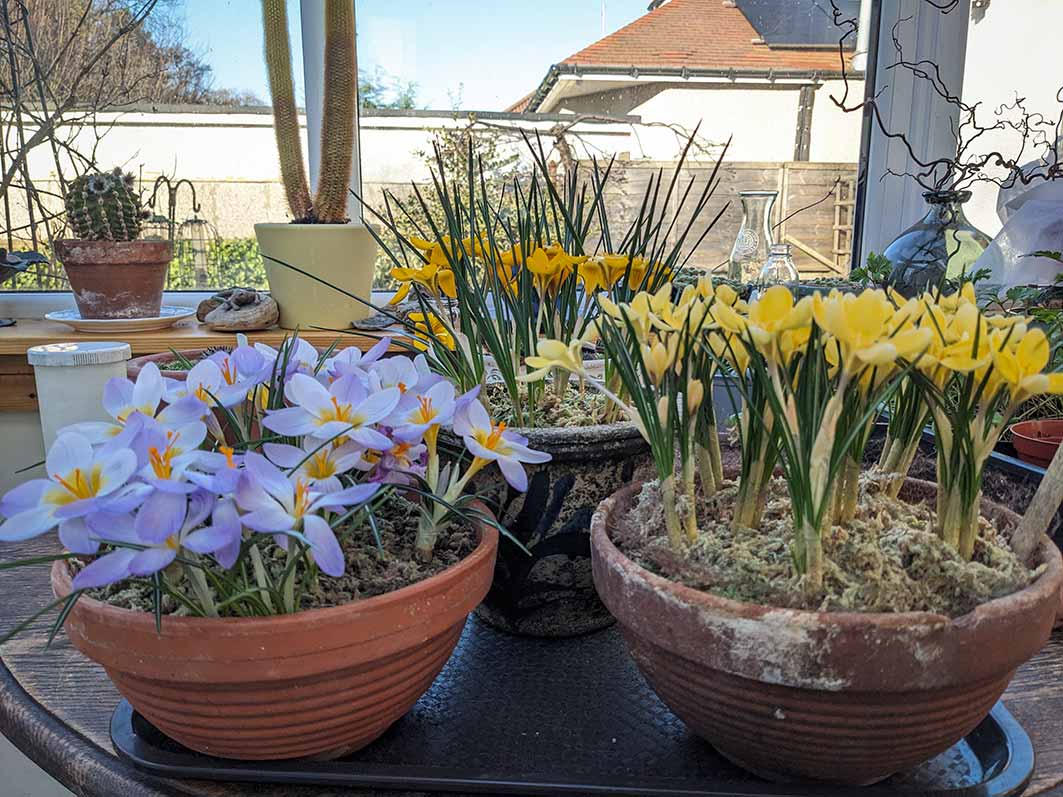
At least the crocus indoors came up without being eaten by anything giving some colour indoors.  I did order some ‘Gypsy girl’ and was given ‘Cream beauty’ instead which was rather annoying but they are pretty.

Crocuses indoors in pots on a table.
Crocuses in the conservatory.
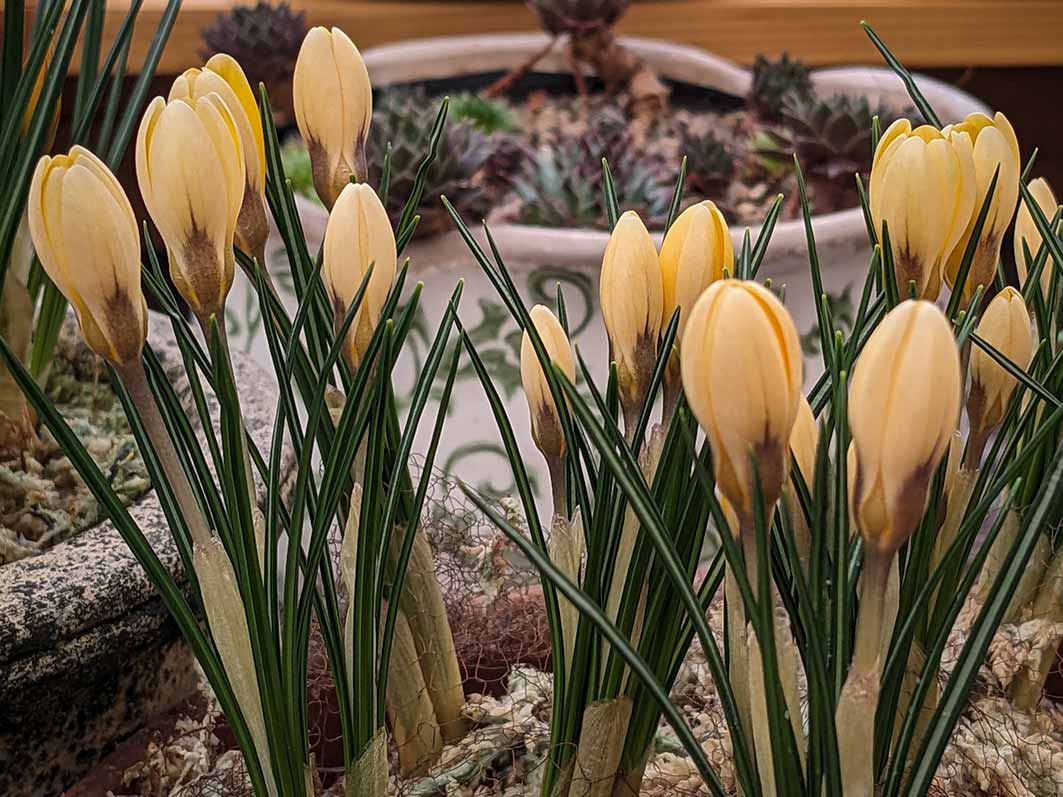
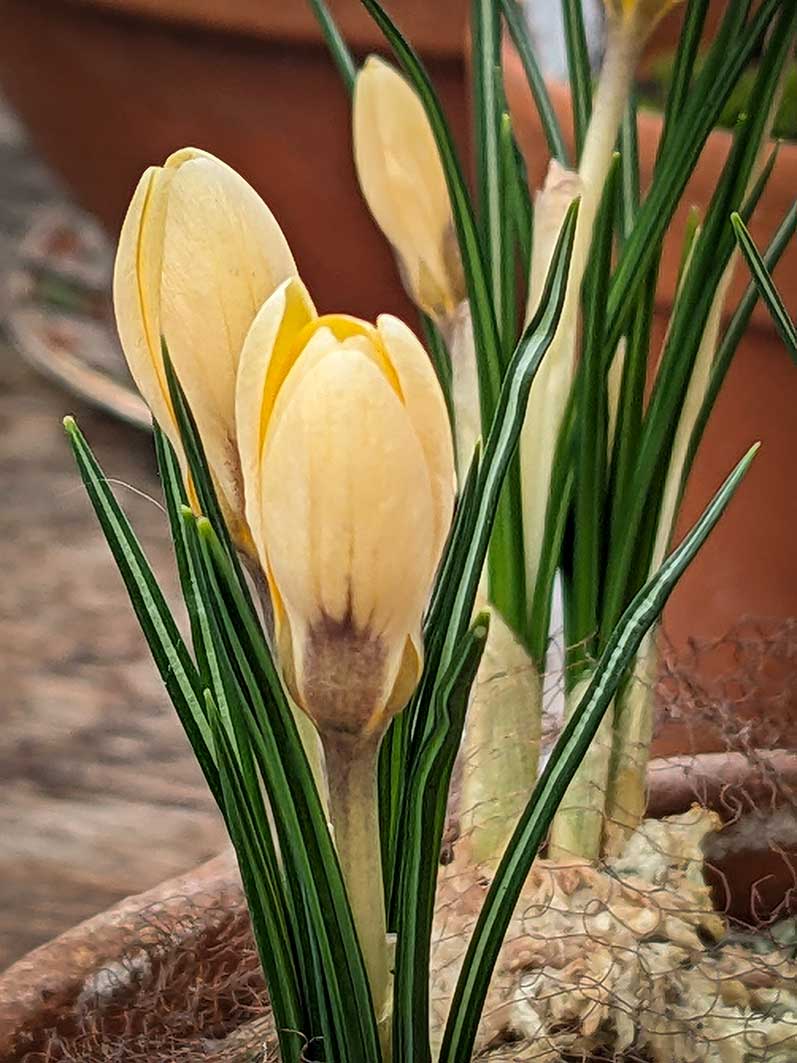
Pale yellow crocus Cream beauty in a pot.
Crocus Cream beauty.
Pale yellow crocus Cream beauty.
Crocus Cream beauty – very nice but just not as nice as Gypsy girl.

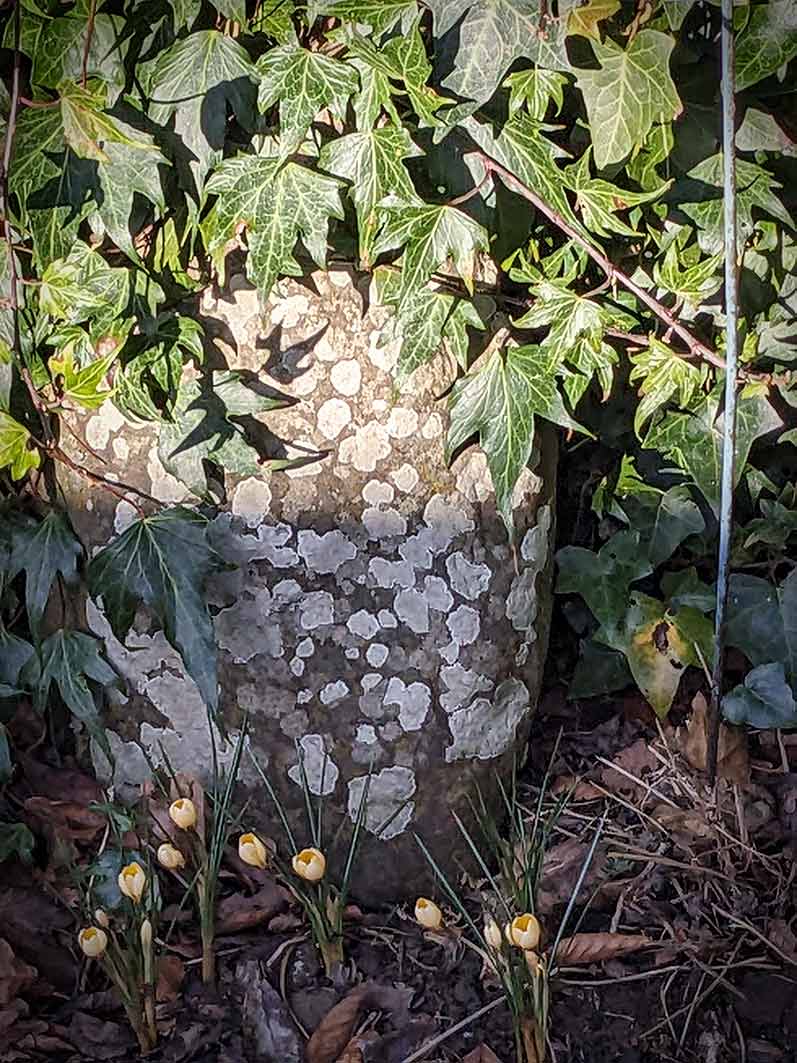
I had also planted some in the garden in front of my favourite stone which is covered in blotchy lichen.

Crocus Cream beauty in front of a tall stone covered in pale grey lichen.
Crocus Cream beauty in front of lichen covered stone.

Although the sun is out just now it is still bitterly cold so spring proper will be a few more weeks yet so still in my thermals for the time being.


Colour in the garden in early June

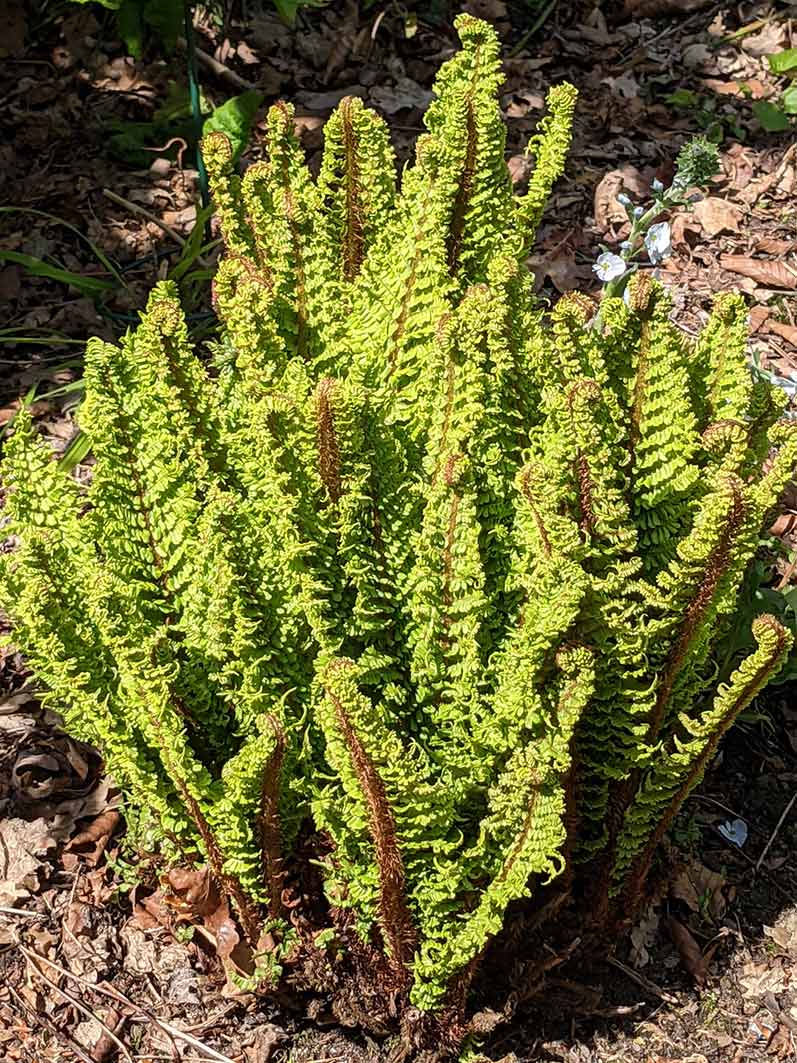
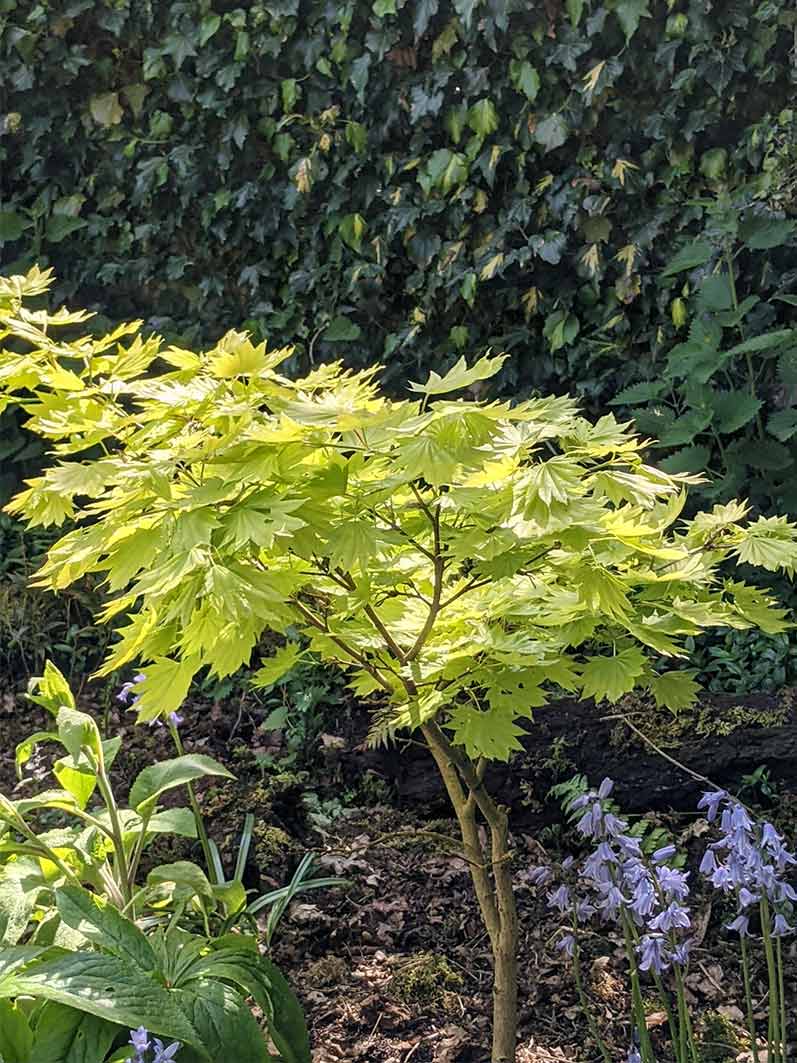
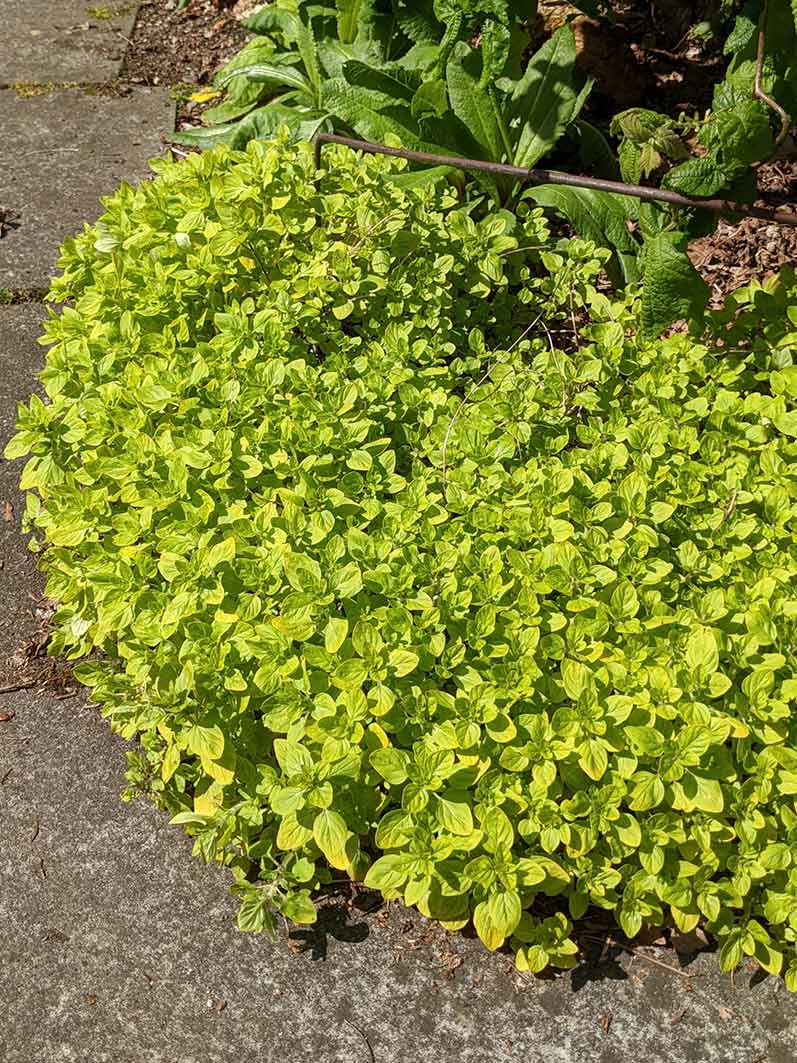
Now that we have had a bout of rain, we are now getting some lush new growth – not just the plants but also the weeds. June has started with loads of welcome sunshine and in the stumpery area the golden coloured plants are absolutely glowing. I have lots of different ferns all around the garden but the Dryopteris crispa congesta in the stumpery are sporting the their bright green, upright fronds. The ivy along the stumpery side wall, Hedera helix Goldheart has mainly reverted back to dark green as it is pretty shady over there, but when the sun does fall on the Acer Shirawanum Aureum, it picks out the gold hearts in the ivy leaves in the background. Just in front of the Corylus avellana contorta is the very bright Oregano vulgare Auereum. The oregano makes pretty good ground cover which can brighten up the somewhat shady stumpery.

bright green new fronds on Dryopteris crispa congesta
Dryopteris crispa congesta
bright golden leaves on Acer Shirawanum Aureum
Acer Shirawanum Aureum
golden foliage of origano aureum
Oregano vulgare Auereum

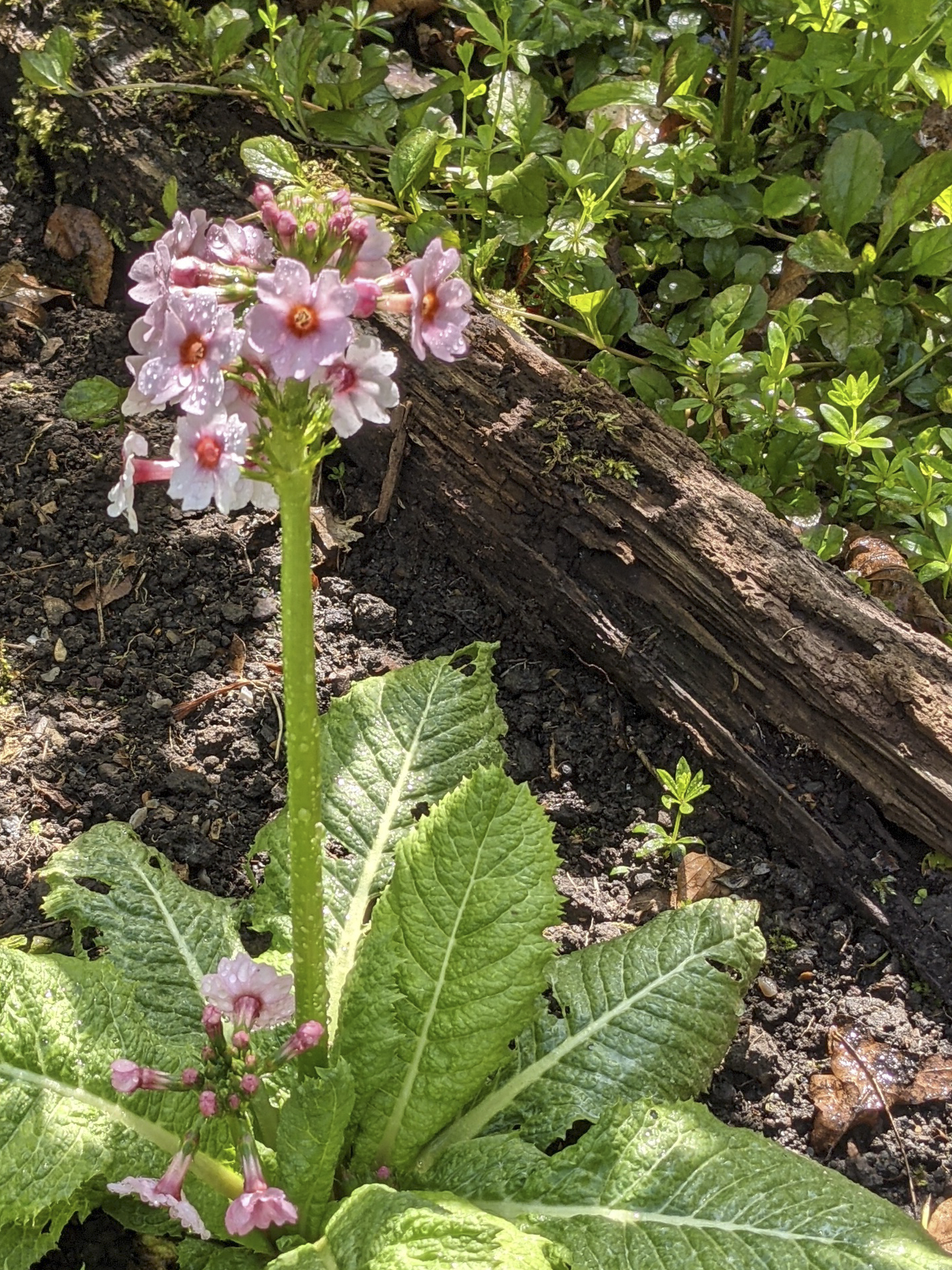
Newly planted in the stumpery is the very pretty Primula Japonica Apple Blossom.  I usually like to plant in groups of 3 or 5 but I had also bought the primulas for pond side so just bought this one and hope I can divide it soon to get a nice clump.  I like it beside the old log (there are pink aquilegia to the left and blue ajuga to the right top).

Primula Japonica Apple Blossom beside old log
Primula Japonica Apple Blossom

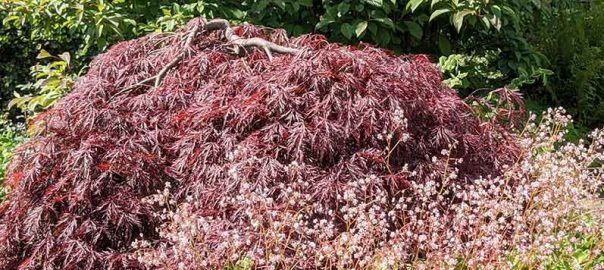
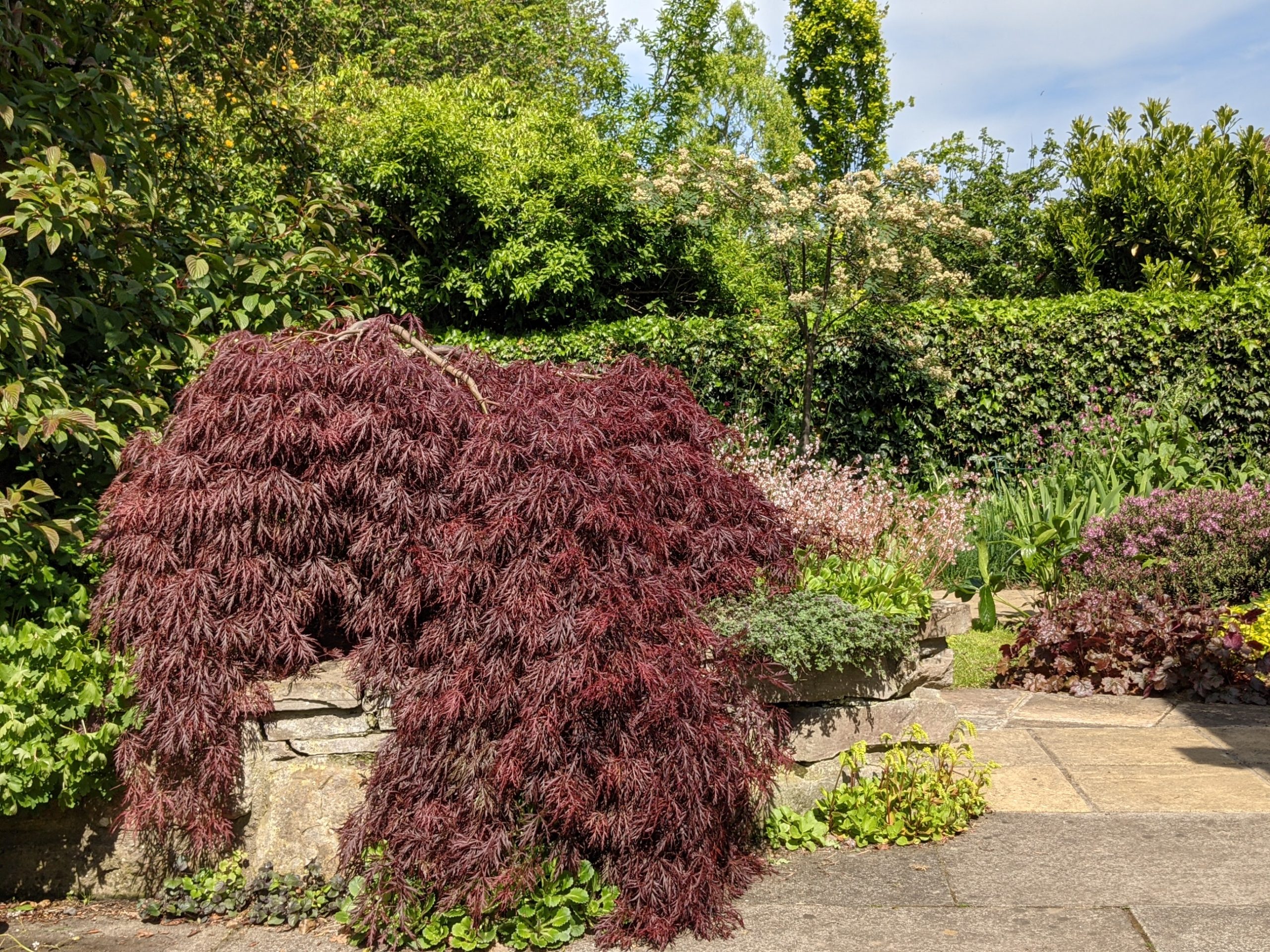
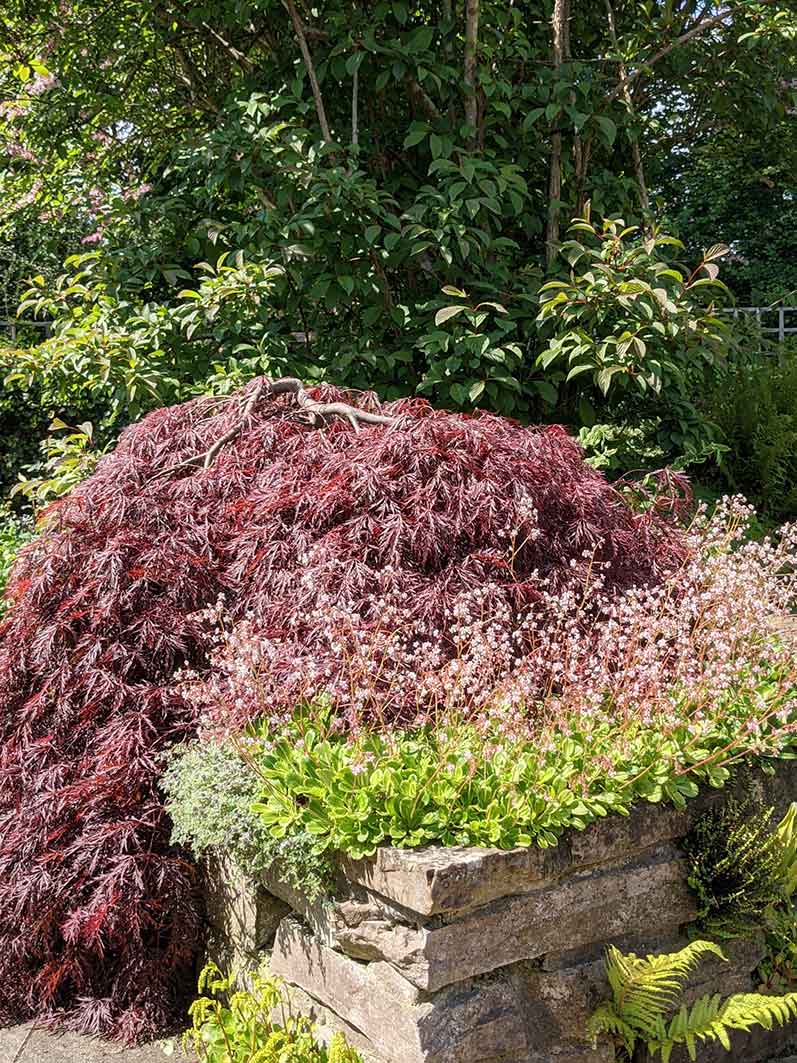
The other acer in the garden (in the raised bed) is looking fabulous right now, flowing over the side walls down to the ground.  I will need to pull out a few of the London’s pride as it is getting pretty over grown now, and give the acer a wee trim later in the year.

Acer palmatum Dissectum Garnet in the raised bed
Acer palmatum Dissectum Garnet
 Acer palmatum Dissectum Garnet in the raised bed, end on.
Raised bed

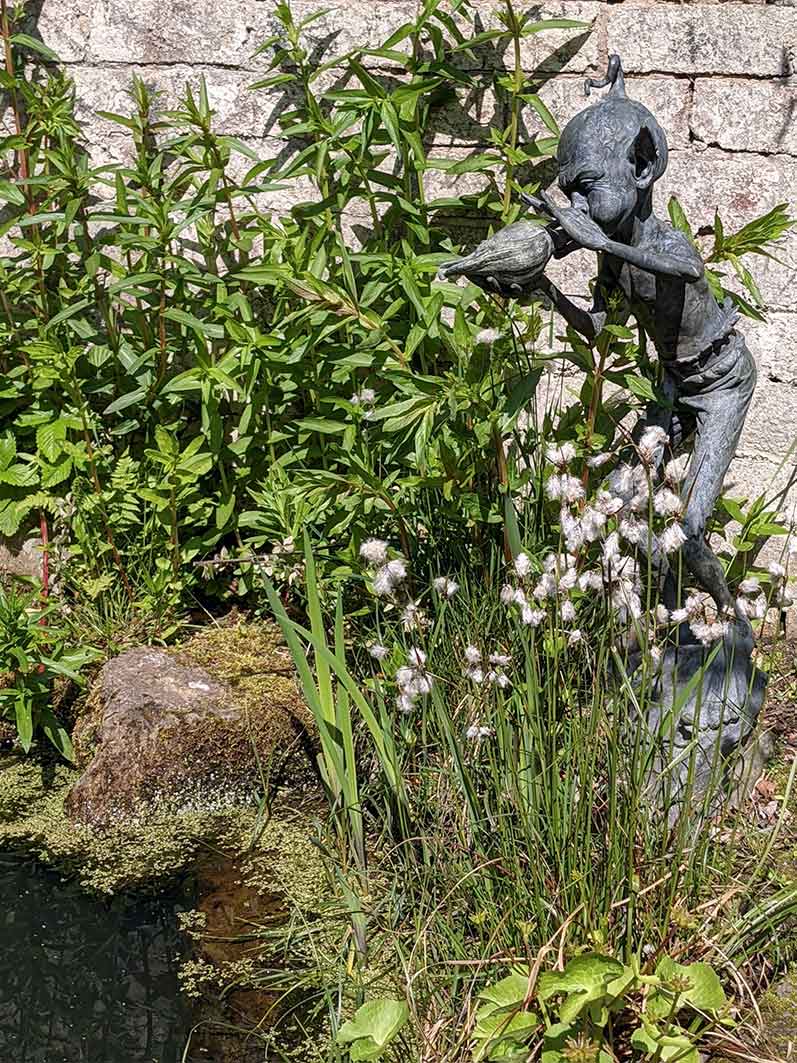
The pond area is taking a while to get going this year.  The marsh marigolds have gone over but the cotton grass ( Eriophorum angustifolium) looking nice.  I am still waiting for the newly planted primulas to flower.

Just now we are getting lots of sunshine and very little rain so my main jobs just now are keeping things watered, pond topped up and staking some of the tall flowers.

Eriphorum angustifolium in the pond
Eriphorum angustifolium

Ta Da Redwings…

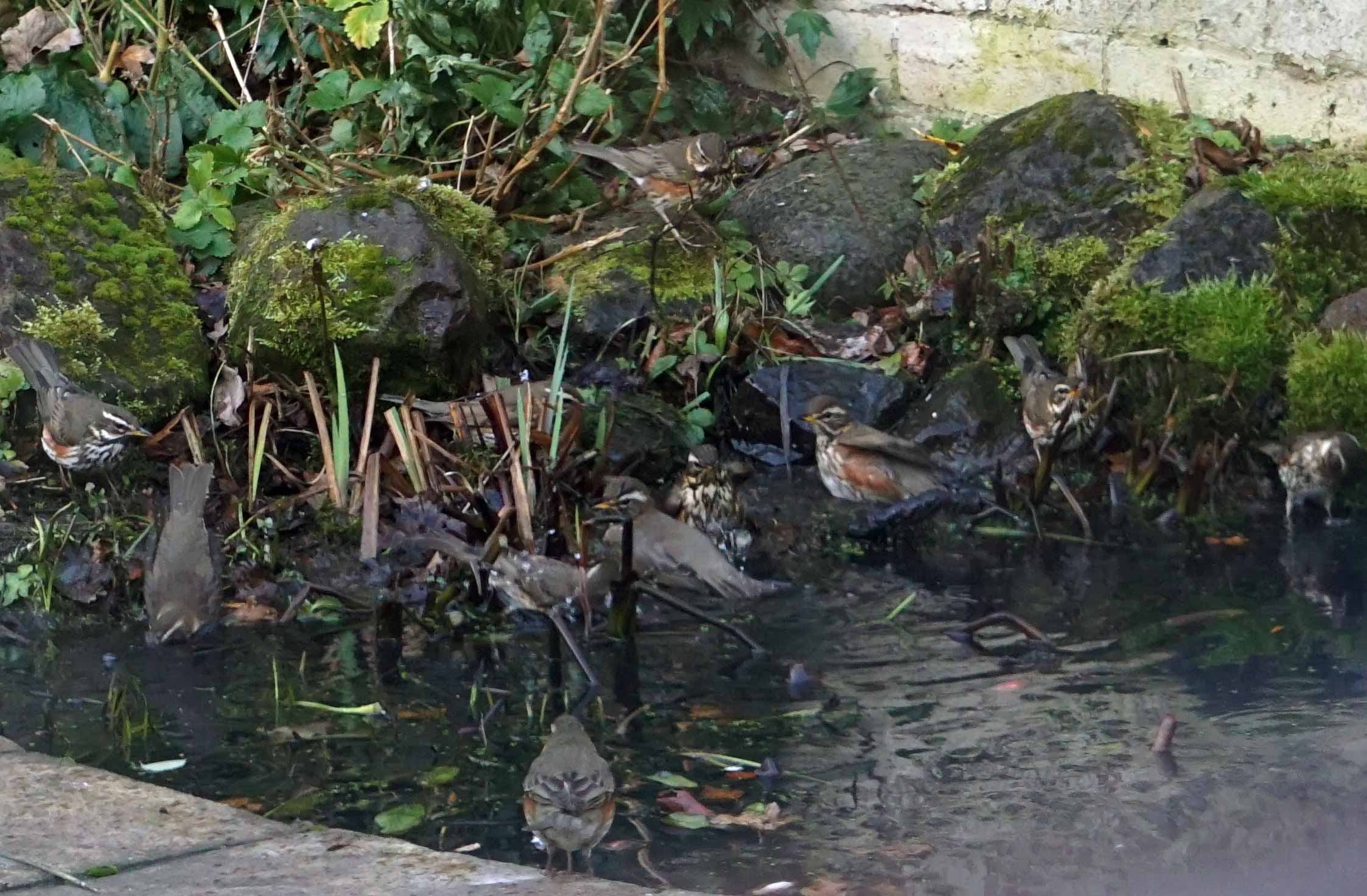
Yeah I finally managed to get a photo of the redwings have a bathing in the pond.  Not a great photo as I have a new lens which I haven’t got used to yet, and it was through a window, and my hands were very shaky.  I can count 10 (there is one skulking behind a plant). I am so please as I have only ever seen 2 and this is the first year I have seen them in the garden.  They were having a bit of a stand off with the blackbirds.  The female blackbird won and saw them all off, but as soon as she started to bathe, the redwings came back.  She did manage a few minutes bathing before she gave up.

wildlife, birds, redwings, pond,
Redwings (Turdus iliacus)

Warm at last…

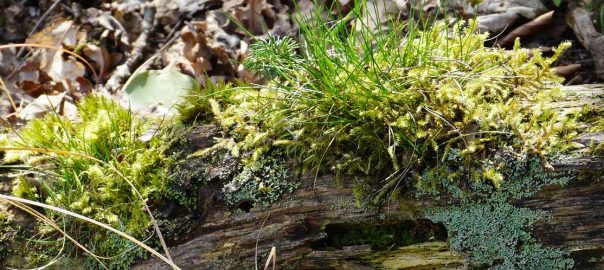
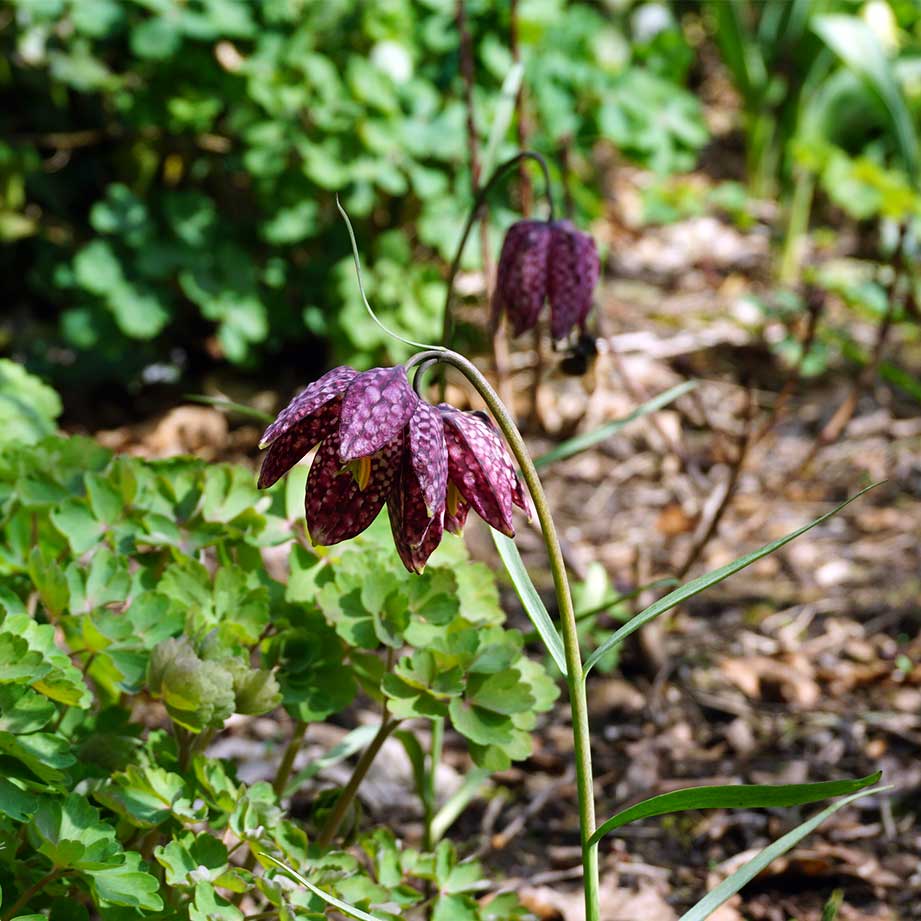
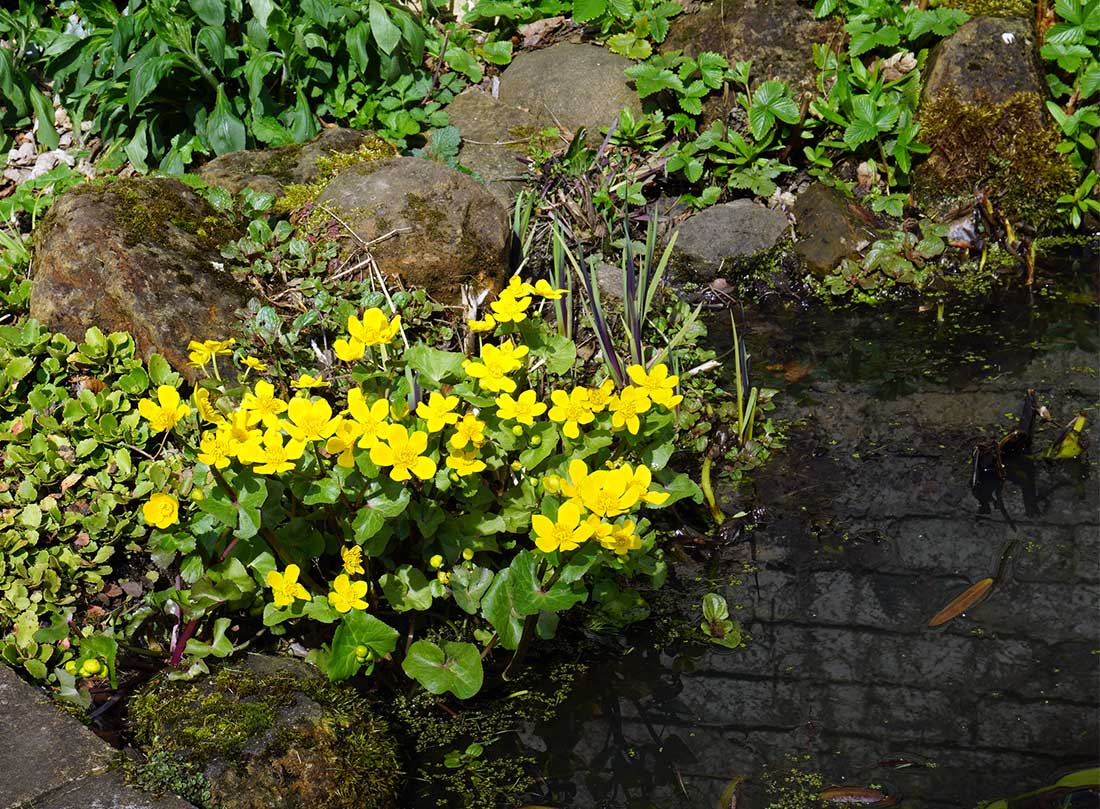
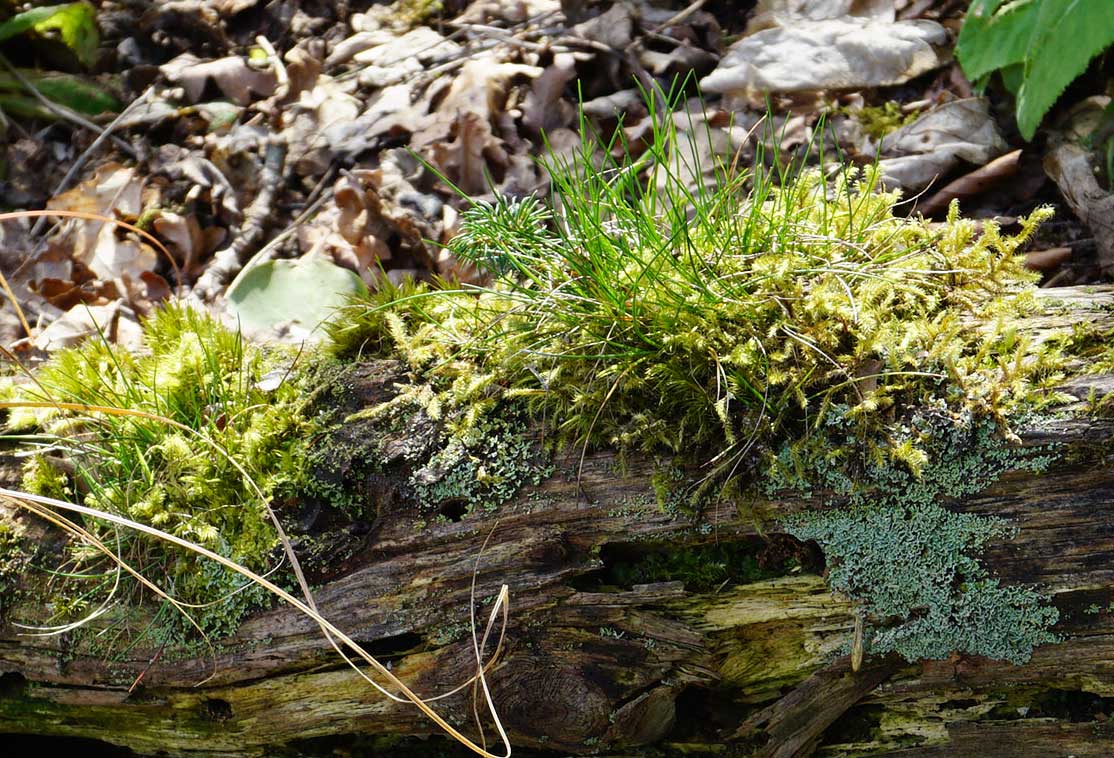
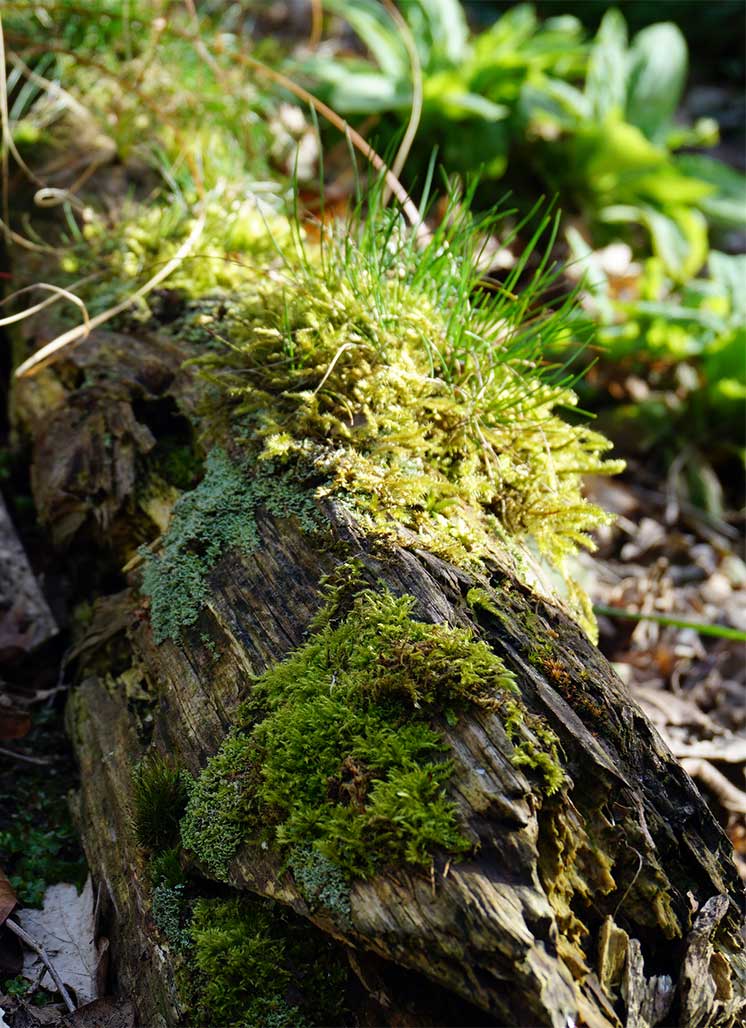
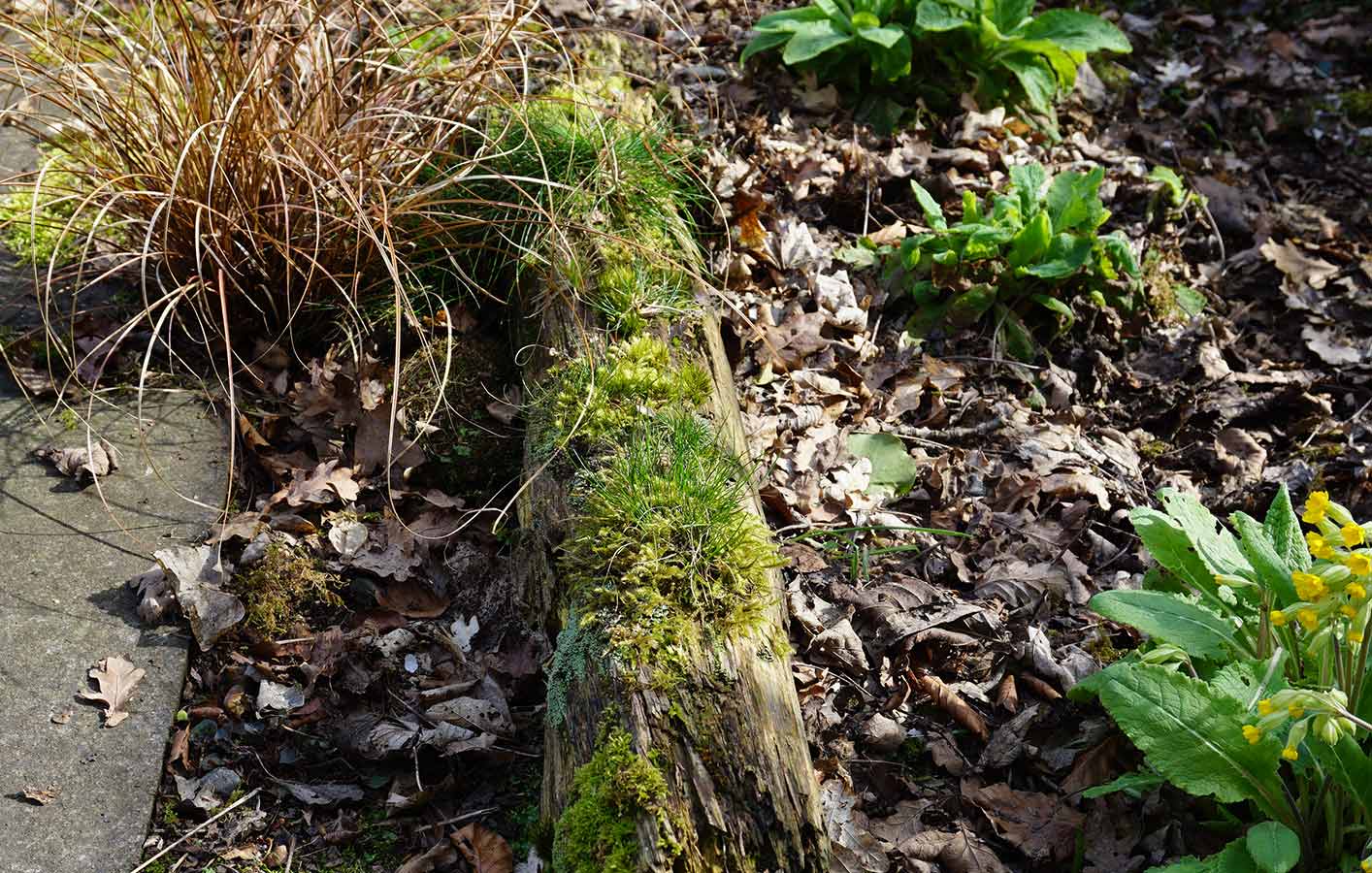
finally a warm day to loiter in the garden.  Lots of things are coming up now but only in little clumps and they haven’t quite spread out as much as I would have liked, but then I am quite impatient in the garden.  I have a few Fritillaria meleagris (snakes head) in various places but they look a bit sparse so I may have to splash out more money and buy a few more to put on a bit more of a show.  I do have some white ones but they are not quite in full bloom yet.  The Caltha palustris (marsh marigold) is looking nice and bright and it is always the first thing in my pond to flower.   I just love my mossy-grassy logs in the stumpery and I do have a favourite one right now.  It is a shame that it will just rot away so I will just have to take lots of photos of it to stick in my scrapbook.

plants,
Fritillaria meleagris
plants, pond,
Calthea palustris
Mossy-grassy log
plants, stumpery, moss,
Mossy-grassy log
plants, stumpery, moss,
Mossy-grassy log

The new pond 2014…

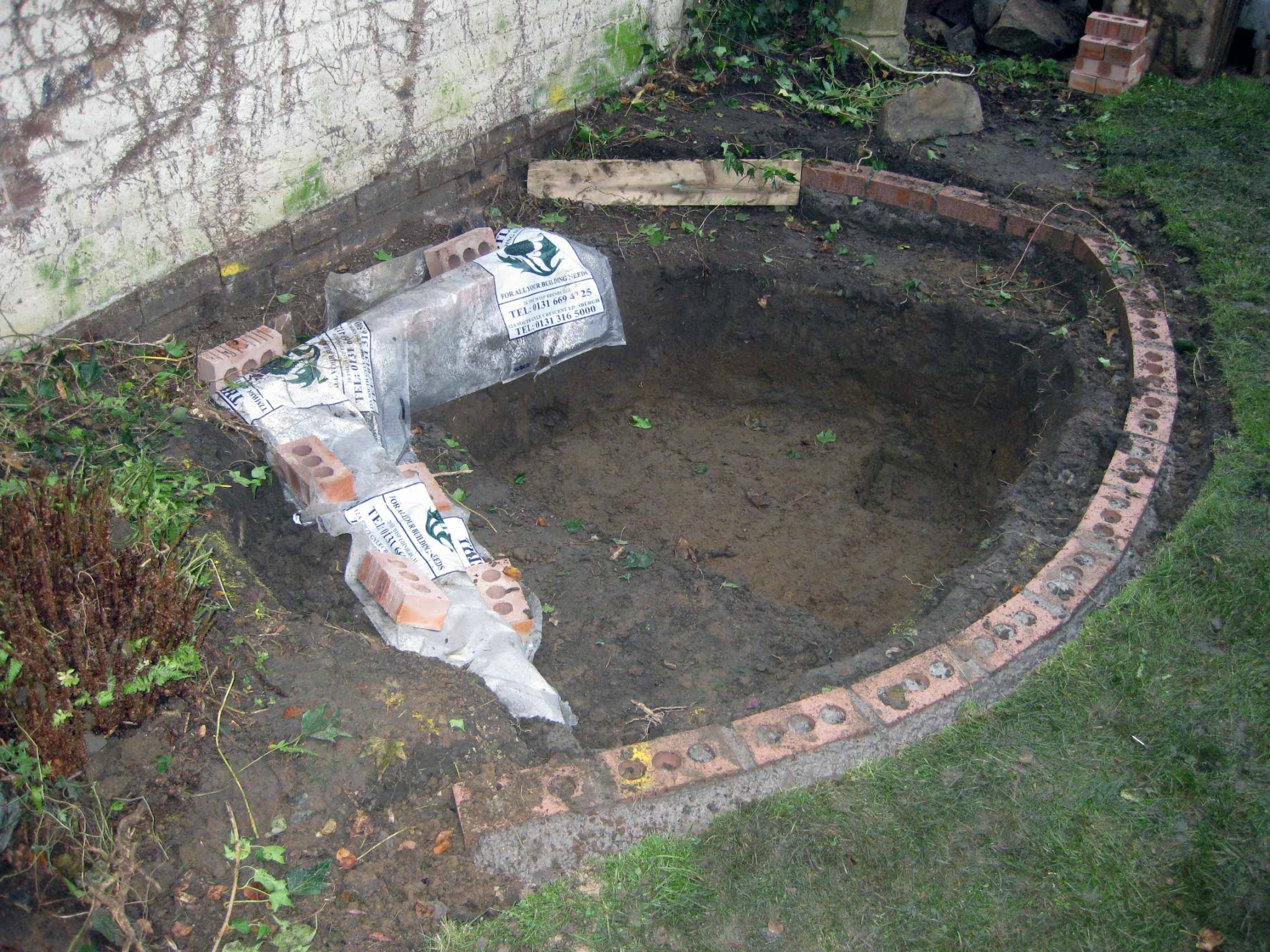
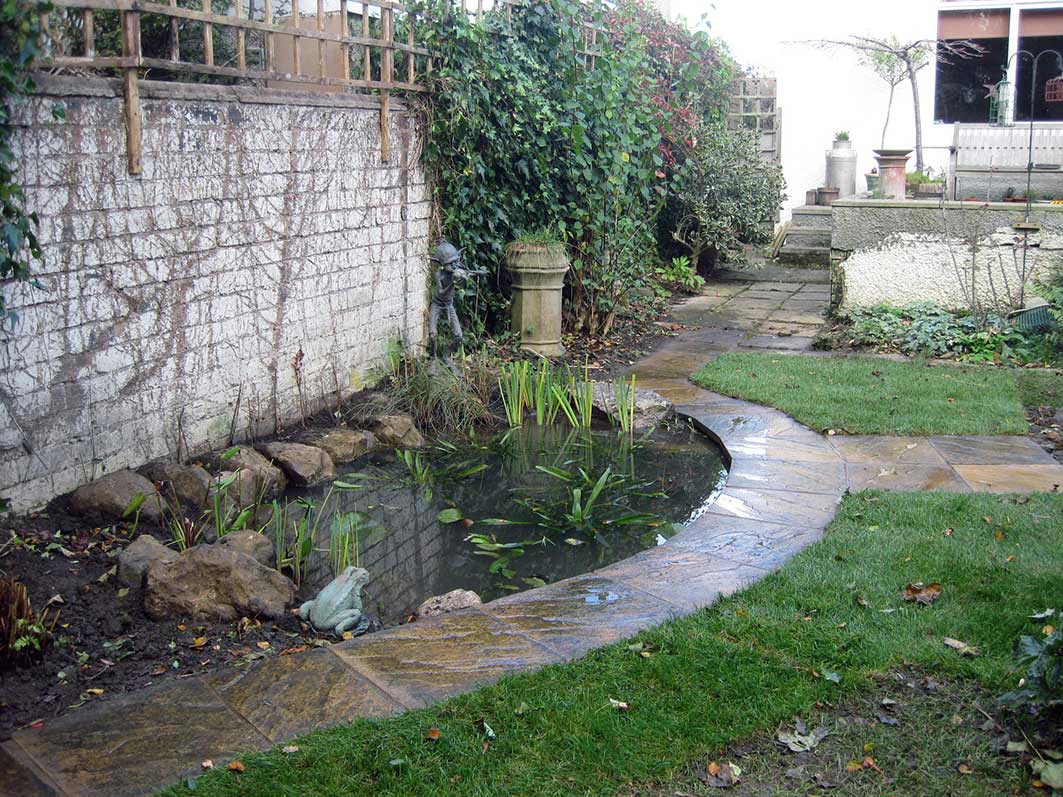
The old pond was in need of a revamp even though the birds and frogs still enjoyed their visits to it.  Gardens by Water Gems did all the work and the initial planting and I love it!  We just wanted it in the same position as the old one but we needed one wider and deeper with a few shelves for planting.
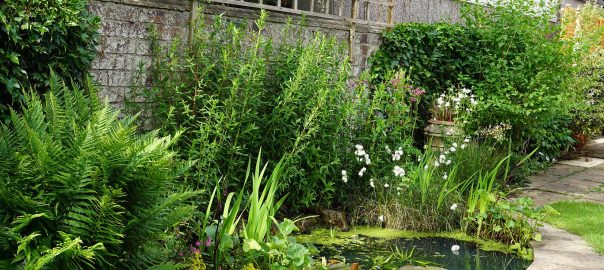
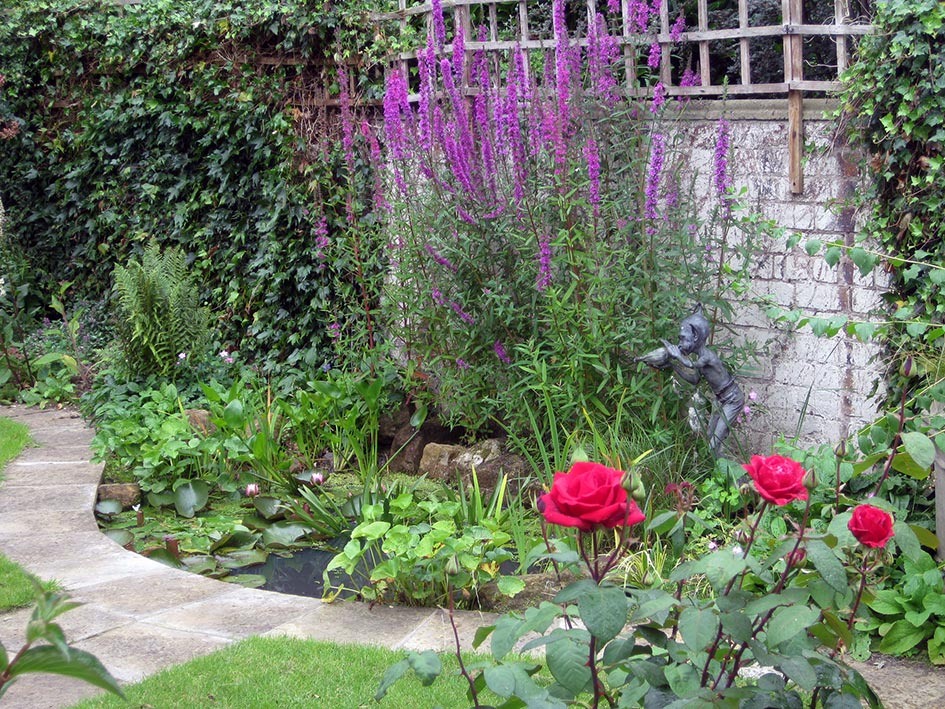
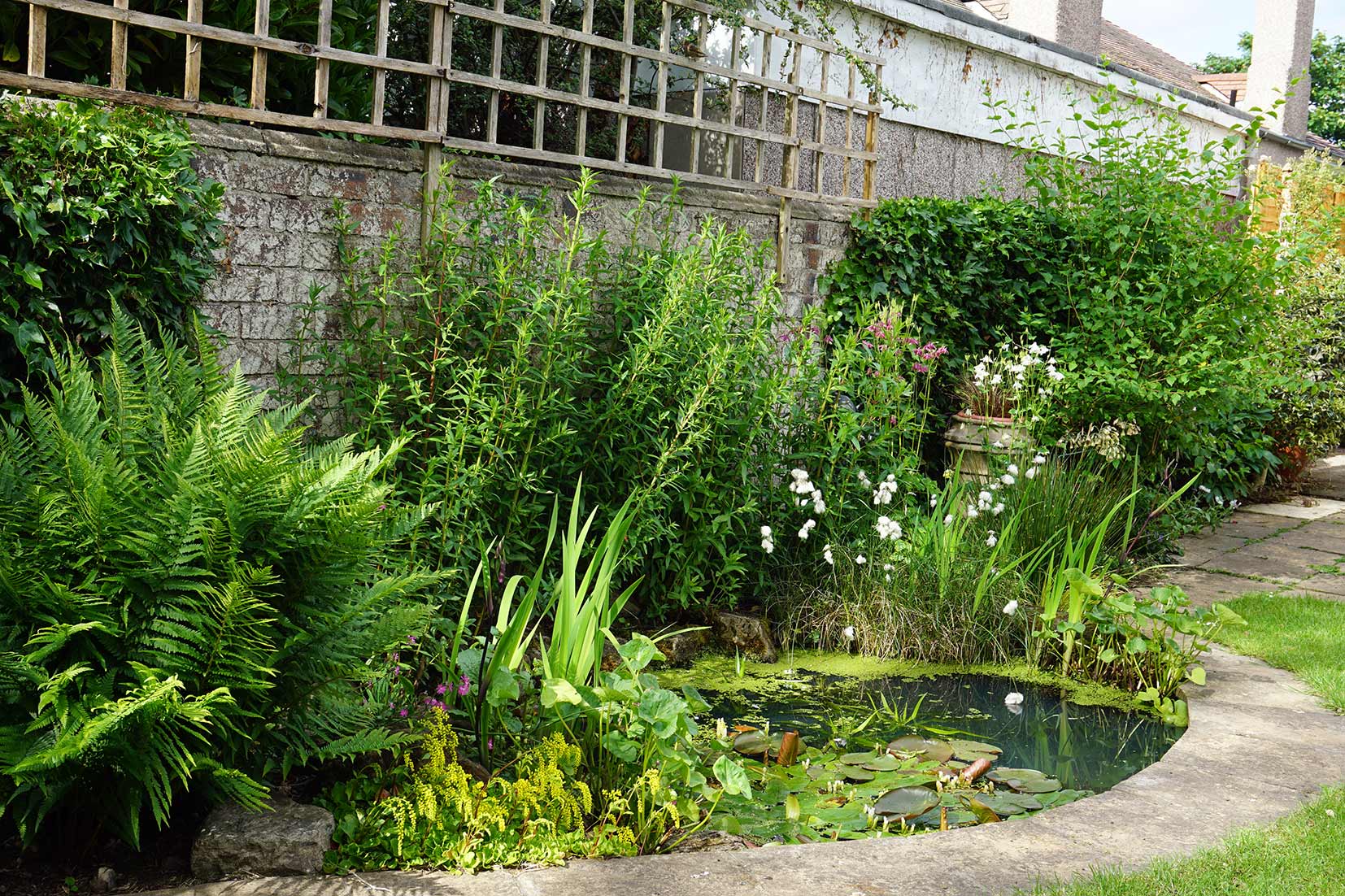
In the old pond the frogs would spawn at the right hand side.  The birds would bathe at the left  hand side and they didn’t disturb the frogs so the frogs would get a chance to hang about with their pals at the surface of the pond in amongst the plants.  In the new pond the frogs now spawn on the left hand side and the birds bathe on both sides so the poor frogs don’t hang about as much but we still get loads of frog spawn in the spring.  I don’t particularly like the pigeons bathing in it as they tend to leave a grey scum on the surface.  Hey ho.  A couple of years on and we are still wondering what to do with the wall area behind the pond.  In the summer it has Purple loosestrife growing in front of it but after that has died down the wall looks very bare and scruffy.There used to be ivy covering that area and although it looked great (I have even seen frogs climbing  up it) it just dropped debris and leaves into the pond and we were always trying to stop it growing into the pond.  I could possibly put some sort of screen over it but there is very little room between the Purple loosetrife and the wall.  Don’t know.  The Water soldiers can be a bit thuggish so they are constantly being pulled out but there is always one or two babies that come back.  The duckweed can also get out of hand unless I skim it off regularly.
pond,
pond,
pond,
pond,
pond,

A few changes…


We have all heard about ‘global warming’ and the effects it is having on our weather systems – but just whose prediction will be right?  Some theories suggest we are heading
for a mini ice age across Europe (Gulf Stream conveyor belt theory) while others predict hotter, drier summers with wetter autumns and severe winters along with flooding from higher sea levels.  The earth may also be going through a magnetic flip – where the poles
actually change their magnetism.   Only time will tell which, if any, theory will be correct?
Here in the UK our weather patterns are changing and these changes are already affecting our wildlife. Spring is staring earlier and our growing season is getting longer. Some
species are adapting to these changes while others are struggling.  Already a rise in sea temperature has affected the sand eel population in Orkney and Shetland. Sand eels are the main food source for guillemots, puffins and other sea birds so a reduction in sand eels has drastically affected the sea bird population.   Similar affects can be seen in our own back yard.  Our blue tits are having trouble feeding their young as the caterpillar numbers are peaking too early.  The frogs are coming to our pond earlier to spawn, but the hard late
frosts are killing all the frogs spawn.  To help our wildlife out a bit we are putting mealworms out for the blue tits.  Live ones are best and although I had an interesting few months when I decided to breed some myself; it is a lot easier to just buy them mail order instead.  To help out the frogs we keep a bucket of spawn in the cool conservatory
during spring and once they have hatched into tadpoles we can pop them into the pond.  We lost a few plants and shrubs in some summers due to the very hot and dry conditions but most of the others have survived well needing only a bit more mulch to keep the moisture in.
Climate change however is not the main culprit for some of the changes in our back garden.  In February 2006 we acquired a new canine friend, who is in his element
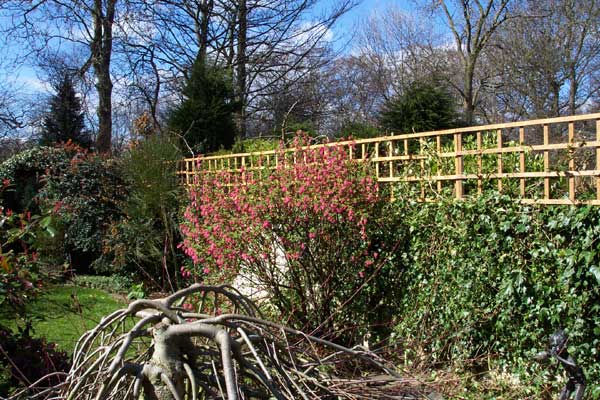
the back garden.  In just his first week here he found that he could leap effortlessly over the 1.5m walls – hence the addition of trellis above all the boundary walls.  He took our neatly coiled hose for a wee jaunt around the raised bed, around a few trees then chewed and reduced its length by a few meters.  He runs full pelt up, down, across and through the garden and has already worn a muddy trail under the right hand arch.  One fine game is to
find and dig up the peanuts that the squirrels have hidden.  He has absolutely no respect for our borders – crashes his way through the tulips and Narcissi and even has a chew at the odd branch while it is still attached to the tree.

trellis

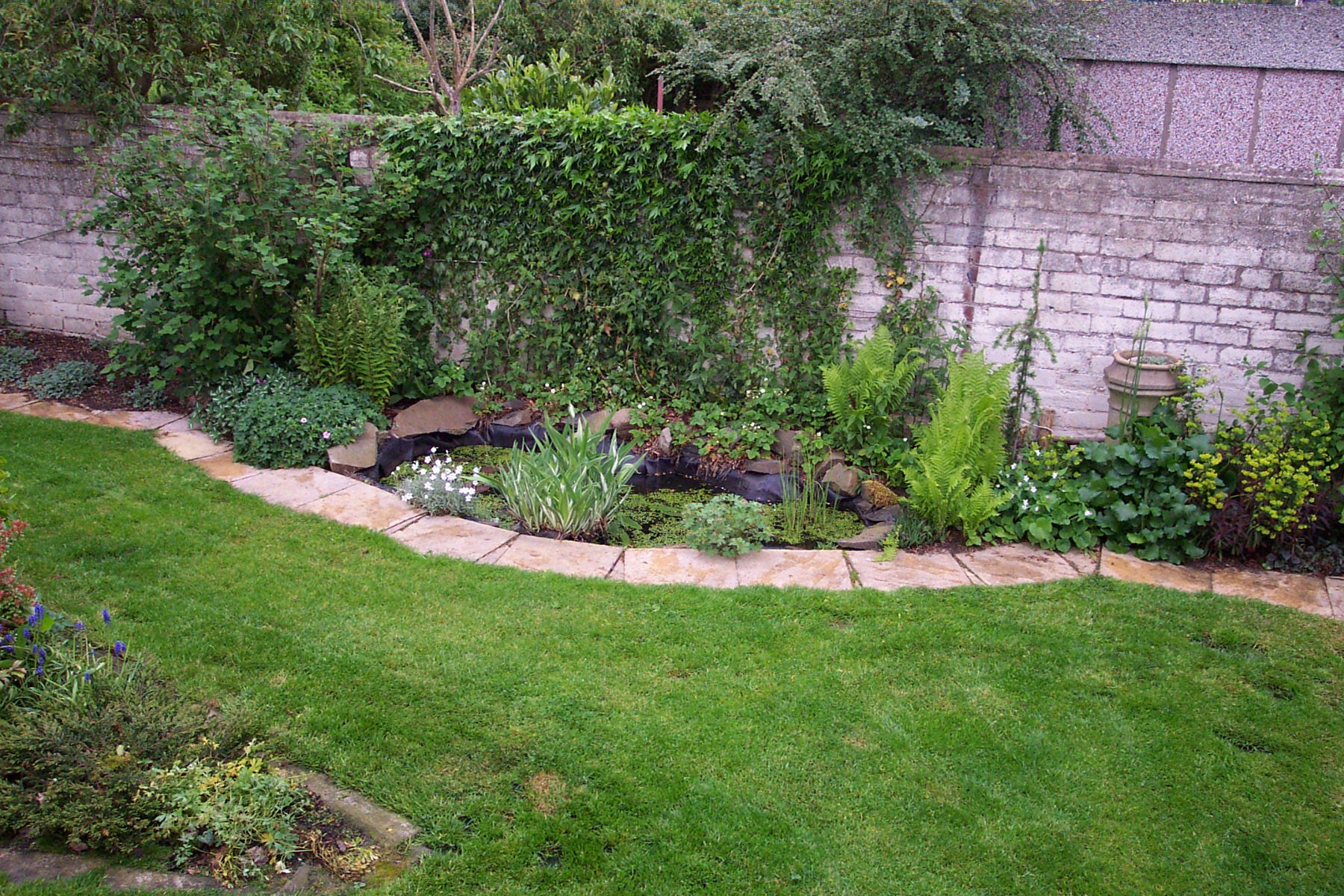
One major project in 2006 was stripping out the old pond liner and replacing it.  Poor frogs – we made them a makeshift pond; a large flat container with their old pond water, stones and a few plants, then placed it  about 2 meters from where we were working and popped our amphibious friends  into it.   Harry stripped away the old liner then added some new soft sand while I cut back the water lilies, divided the flag irises and threw away any overgrown oxygenating plants.  Meanwhile, our home sick frogs who did not appreciate our efforts at a makeshift abode, jumped straight into the sandy layer before their new home was finished. We were astonished to find that only 2 weeks later the new pond liner
had sprung a couple of leeks.   ***bleep bleep*** exclaimed Harry.  This time they were just patched with pond lining tape.  Just when he finished filling it up with the old water and plants a couple of ducks turned up!

pond 2002
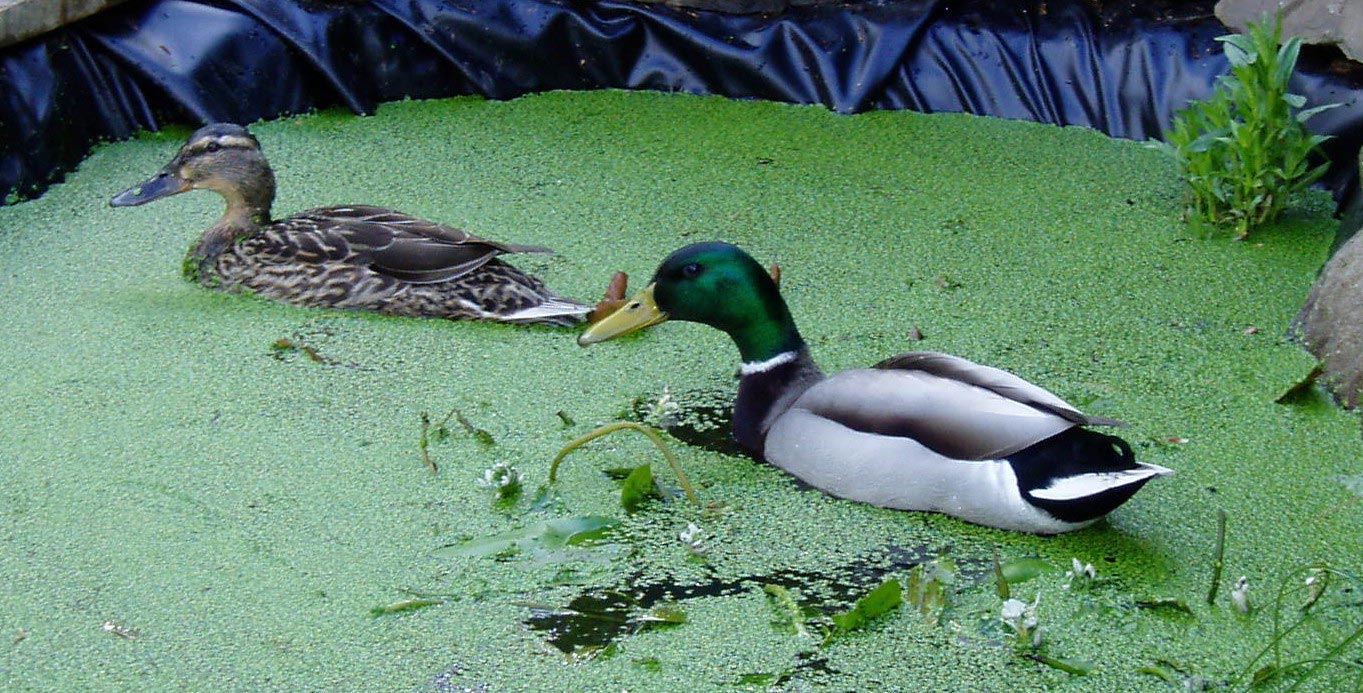
ducks